
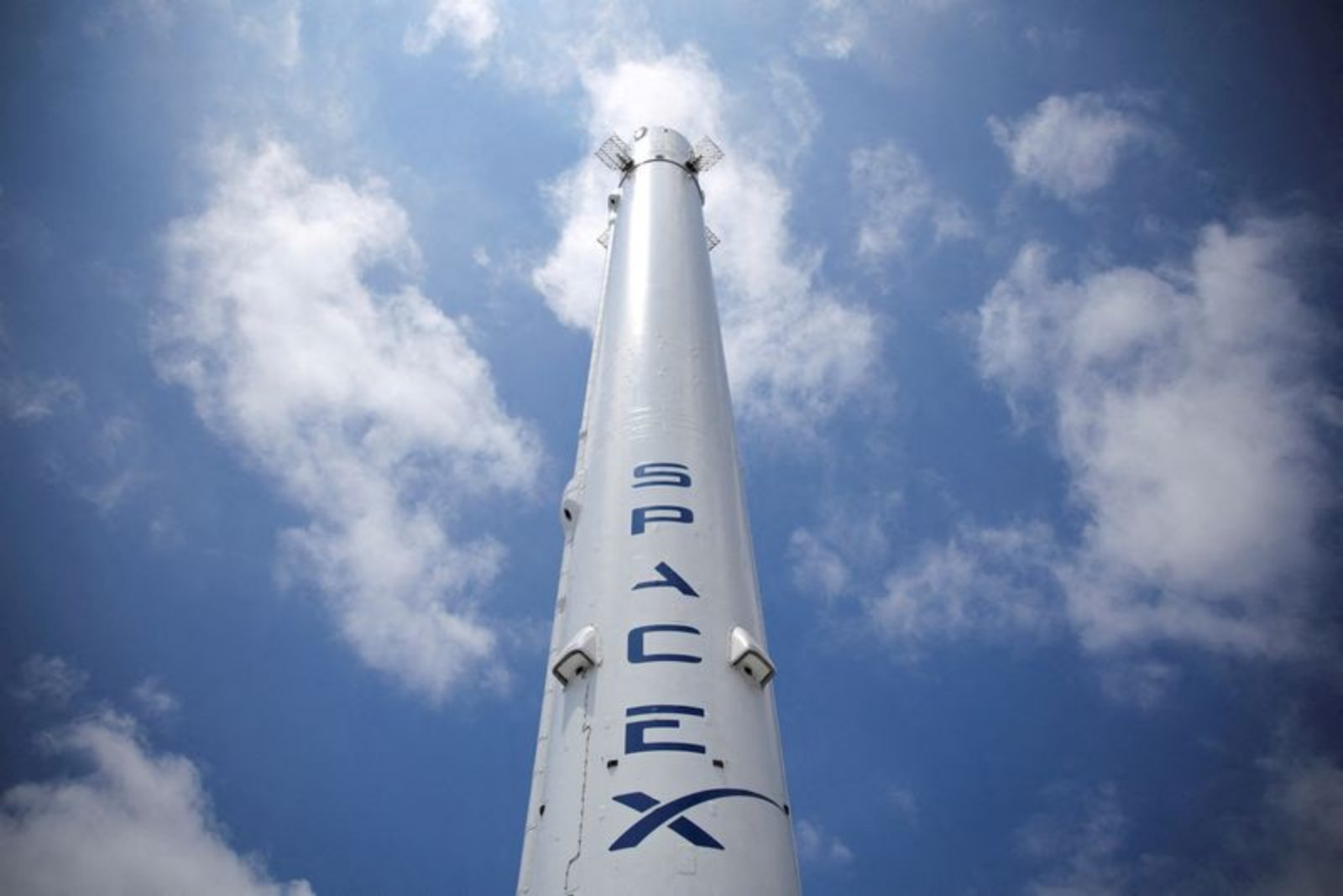
SpaceX has informed investors that the company will concentrate its near-term efforts on reaching the moon before attempting a mission to Mars, according to people familiar with the matter. The firm has set a goal of conducting an uncrewed lunar landing in March 2027 and will postpone its push for an immediate Mars flight.
The timing adjustment comes after a transaction in which SpaceX agreed to acquire an artificial intelligence company, with valuations reported at $1 trillion for the rocket and satellite business and $250 billion for the AI entity. SpaceX did not immediately respond to a request for comment.
Earlier public remarks from the company founder indicated an aspiration to launch an uncrewed Mars mission by the end of 2026, a target that the recent investor guidance suggests will not be met on that schedule.
At the center of these plans is Starship, SpaceX's next-generation launch vehicle. Built from stainless steel, the rocket is intended to be fully reusable and to support a range of missions that include voyages to both the moon and Mars. The vehicle's design and reusability are core to the company's long-term mission profile.
Officials and observers note that the United States faces heightened competition this decade from China in efforts to return humans to the lunar surface. No human has landed on the moon since the final U.S. Apollo mission in 1972, a fact that frames the urgency behind national and commercial ambitions.
The shift in sequencing - prioritizing a lunar touchdown over an immediate Mars attempt - alters near-term operational emphasis for the company. It may affect production scheduling, testing timelines and the allocation of engineering resources devoted to Starship and associated hardware. Those internal trade-offs will determine how quickly the company can pivot back to interplanetary ambitions after achieving the lunar objective.
While the company pursues the March 2027 uncrewed lunar landing target, the announcement leaves open the timing for a subsequent Mars mission. The available information does not provide a new date for a Mars attempt, only that it will be undertaken after the moon-focused effort.
What this means
SpaceX's revised public guidance signals a near-term shift to lunar operations, supported by Starship's intended capabilities. The move also comes amid significant corporate valuation changes tied to a recent acquisition involving an AI firm.