
S&P Global Ratings has flagged the Middle East conflict as a major risk to the recent run of net credit-rating upgrades across emerging markets, saying the war could prompt a new downgrade cycle by stoking inflation and tightening financial conditions, S&P Global Ratings Director Ravi Bhatia said.
An energy shock is spreading through developing economies after disruption along a major oil shipping route sent crude prices sharply higher. That spike raises fuel and import bills for energy-importing nations, including India, Turkey and Kenya, while exporting countries are also braced for the secondary effects of more expensive oil as higher global prices weigh on growth, push up inflation and restrain tourism.
Those developments would reverse a three-year trend in which many emerging-market governments rebuilt their balance sheets, implemented fiscal reforms and regained access to capital markets after the pandemic era of defaults and rating downgrades. Falling defaults among sovereigns and corporate borrowers helped power a net upgrade cycle in 2024 and 2025.
"Last year we saw inflation falling and credit conditions easing, leading to net upward rating pressure across Middle East and Africa sovereigns," Bhatia said. "In 2026, given the new conflict in the Middle East, inflationary pressures are expected to rise, and financing conditions will become more challenging for the MEA region, raising potential downside risks."
Emerging-market sovereign dollar bonds delivered strong returns over the recent multi-year period, returning about 52% between October 2022 and February 2026 as post-pandemic fiscal repairs reduced defaults, attracted foreign inflows and compressed risk spreads. Three years of declining defaults pulled African sovereigns out of distress and helped fuel rallies in issuers such as Lebanon and Ukraine.
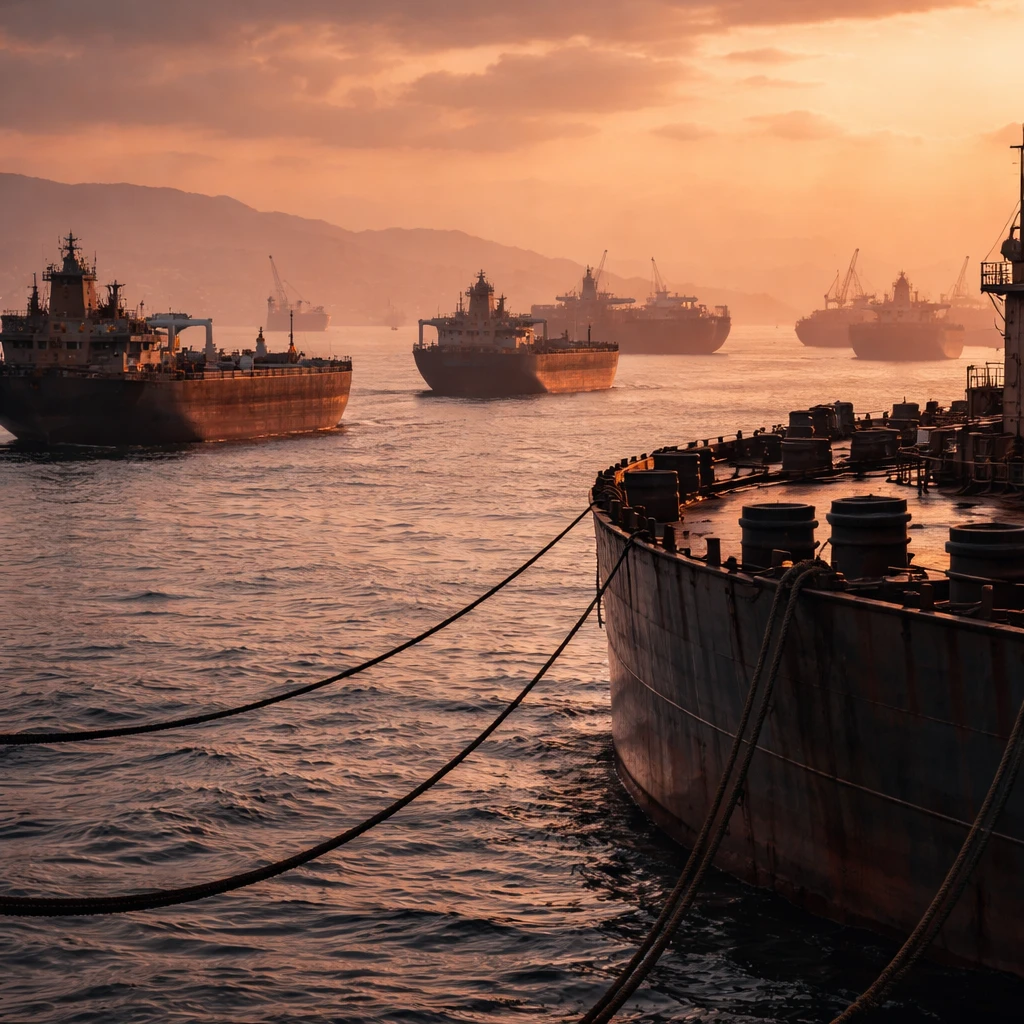
That momentum has shifted over the last four weeks after Iran moved to constrain the Strait of Hormuz - a key conduit for roughly 20% of global energy exports - in response to attacks by the US and Israel. Brent crude was trading at $115 a barrel on Monday, up from $72.48 before the conflict began.
Higher oil prices do increase revenues for net exporters, but Bhatia warned that the broader inflation shock and the resultant tightening in financing conditions will weigh on most countries. More expensive fuel feeds into consumer prices and can sap growth, while tighter credit conditions make it harder for governments and companies to refinance or access capital on favorable terms.
For energy importers, the immediate effect is a heavier import bill. For exporters, the direct revenue gain may be offset by wider macroeconomic strains such as higher inflation and weaker demand for tourism and other services. Across markets, the confluence of elevated energy prices and a more difficult financing backdrop raises downside risks for sovereign credit profiles.
As S&P frames it, the recent geopolitical shock has the potential to halt or reverse the recovery in credit metrics that underpinned the upgrade cycle - and to create a new set of rating pressures should the situation persist or deteriorate.