
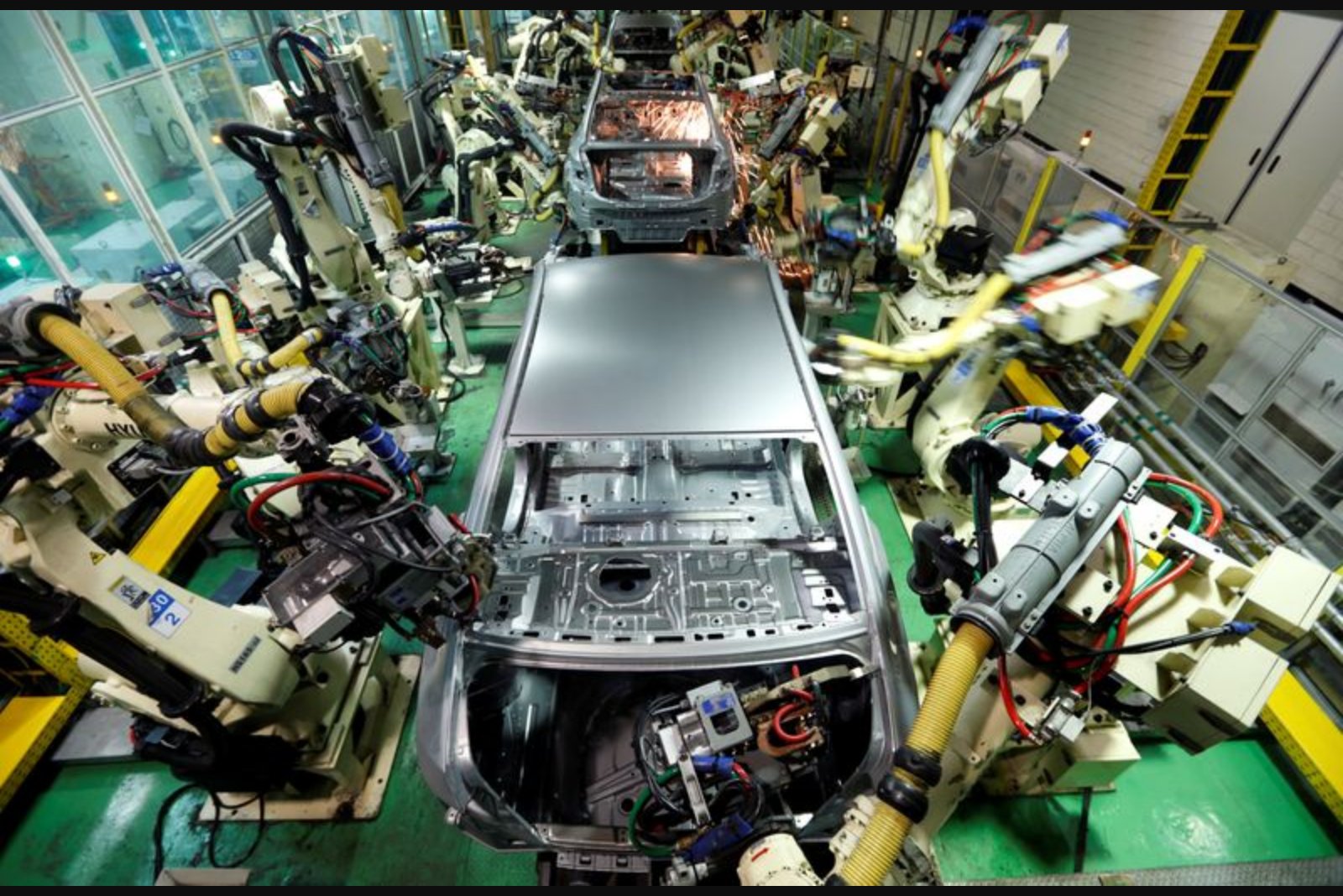
Seoul, April 1 - South Korea's factory sector expanded at its fastest pace in more than four years in March, propelled by semiconductor demand and the rollout of new products, according to a private-sector purchasing managers index published on Wednesday.
The PMI from S&P Global rose to 52.6 in March, up from 51.1 in February, marking the highest reading since February 2022.
Output showed notable strength, with manufacturers reporting the largest increase since August 2024. Firms attributed the rise primarily to new product launches and stronger orders for semiconductors.
"Anecdotal evidence suggested that a strengthening domestic economy and new product launches were behind the latest expansion in the manufacturing sector," said Usamah Batti, economist at S&P Global Market Intelligence.
Despite the headline improvement, new orders expanded at a slightly slower pace than in the prior month. Export order growth weakened to a four-month low as the Middle East war reduced overseas demand, even though companies continued to report strong orders from the U.S. and other parts of Asia.
Input costs climbed sharply in March, rising at the steepest rate since June 2022. Firms cited a surge in oil prices and a weak won as the main drivers of higher purchase costs.
Key details at a glance:
- PMI: 52.6 in March, up from 51.1 in February, highest since February 2022.
- Output: Biggest increase since August 2024, supported by semiconductors and new product launches.
- New orders: Expansion slowed slightly; export orders at a four-month low due to the Middle East war despite strong demand in the U.S. and Asia.
- Input prices: Sharpest rise since June 2022, linked to higher oil prices and a weaker won.
The PMI snapshot points to a manufacturing sector benefiting from domestic demand and product cycle dynamics, with the semiconductor industry a prominent contributor to the uptick in output. At the same time, external geopolitical developments and commodity price moves are constraining export momentum and pushing input costs higher for producers.
What are the best investment opportunities in 2026? The best investments start with better data. Going with your gut has its place, but when excitement masquerades as intuition, it can lead to costly mistakes—or analysis paralysis. InvestingPro+ combines institutional-grade data with AI-powered insights that you don't need a finance PhD to understand. It won't guarantee winners, but it will certainly help you find more of them, more often. So what are the best investments of 2026 so far? Ask WarrenAI, then decide.