
South Korea's financial markets came under severe pressure on Tuesday as international investors retreated in the wake of the Middle East conflict, driving sharp declines in local equities and a notable depreciation of the currency.
The benchmark KOSPI index dropped 4.3% on the day, taking its cumulative decline from a record closing high in late February to 19.9% - a level that, by some measures, approaches bear-market territory. The index's monthly fall of 19% marks the steepest such decline since 2008.
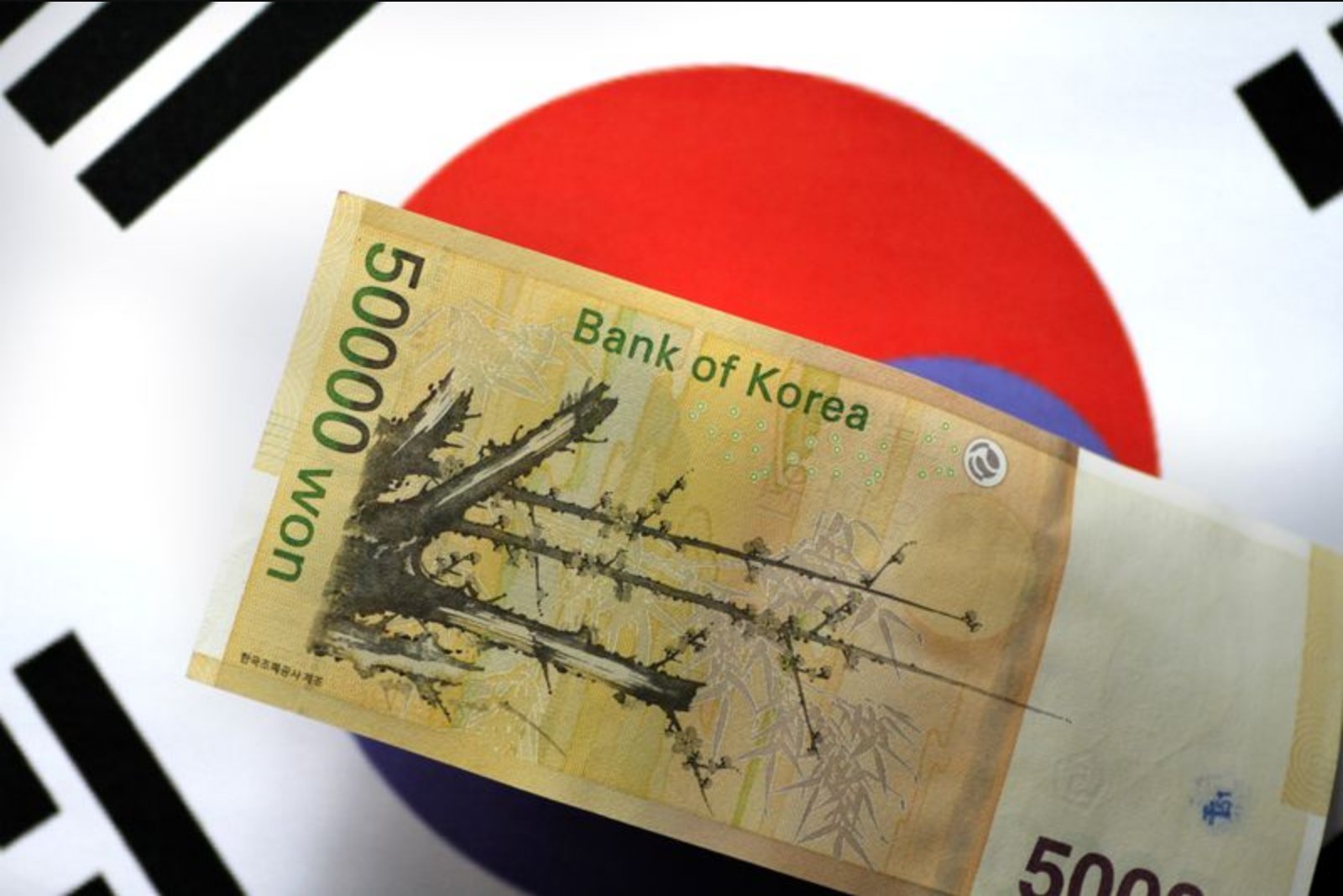
The Korean won tumbled roughly 1% on Tuesday, slipping to trade weaker than 1,500 against the U.S. dollar. According to the article's data, such exchange-rate territory had previously been seen in the aftermath of the global financial crisis in 2009 and during the late 1990s Asian crisis.
Market participants said the severity of the sell-off was amplified by the gains accumulated earlier this year. With energy prices climbing and investor risk tolerance evaporating, global money managers found few safe havens and moved quickly to trim or exit positions that had been profitable just weeks earlier.
Exchange data show foreign investors disposed of a net 35.9 trillion won ($23.5 billion) in KOSPI-listed shares over the month, the largest such outflow on record. Those outflows have been a significant factor pressuring the currency lower.
"The market didn’t look into how much growth damage is there, earnings damage is there ... wherever people were significantly positioned and that money was in profit, that’s where people started doing de-risking," said Rajiv Batra, head of Asia and co-head of global emerging markets equity strategy at J.P. Morgan in Singapore.
Analysis cited in the reporting indicates that foreign selling has been concentrated in leading semiconductor names. Goldman Sachs' work shows the heaviest foreign selling occurred in Samsung Electronics and SK Hynix, which pushed foreign ownership in both companies to its lowest levels since 2022.
Both chipmakers fell sharply on Tuesday, with Samsung Electronics losing 5.2% and SK Hynix plunging 7.6%. Each was down by more than 20% over the course of March. Despite those declines, the pre-war rally had left both companies substantially higher for the year, while the broader KOSPI remained roughly 20% above year-start levels.
For reference on currency conversion provided in the report, the dollar-to-won rate cited was $1 = 1,529.1100 won.
Should you be buying 000660 right now? ProPicks AI evaluates 000660 alongside thousands of other companies every month using 100+ financial metrics. Using powerful AI to generate exciting stock ideas, it looks beyond popularity to assess fundamentals, momentum, and valuation. The AI has no bias - it simply identifies which stocks offer the best risk-reward based on current data with notable past winners that include Super Micro Computer (+185%) and AppLovin (+157%). Want to know if 000660 is currently featured in any ProPicks AI strategies, or if there are better opportunities in the same space?