
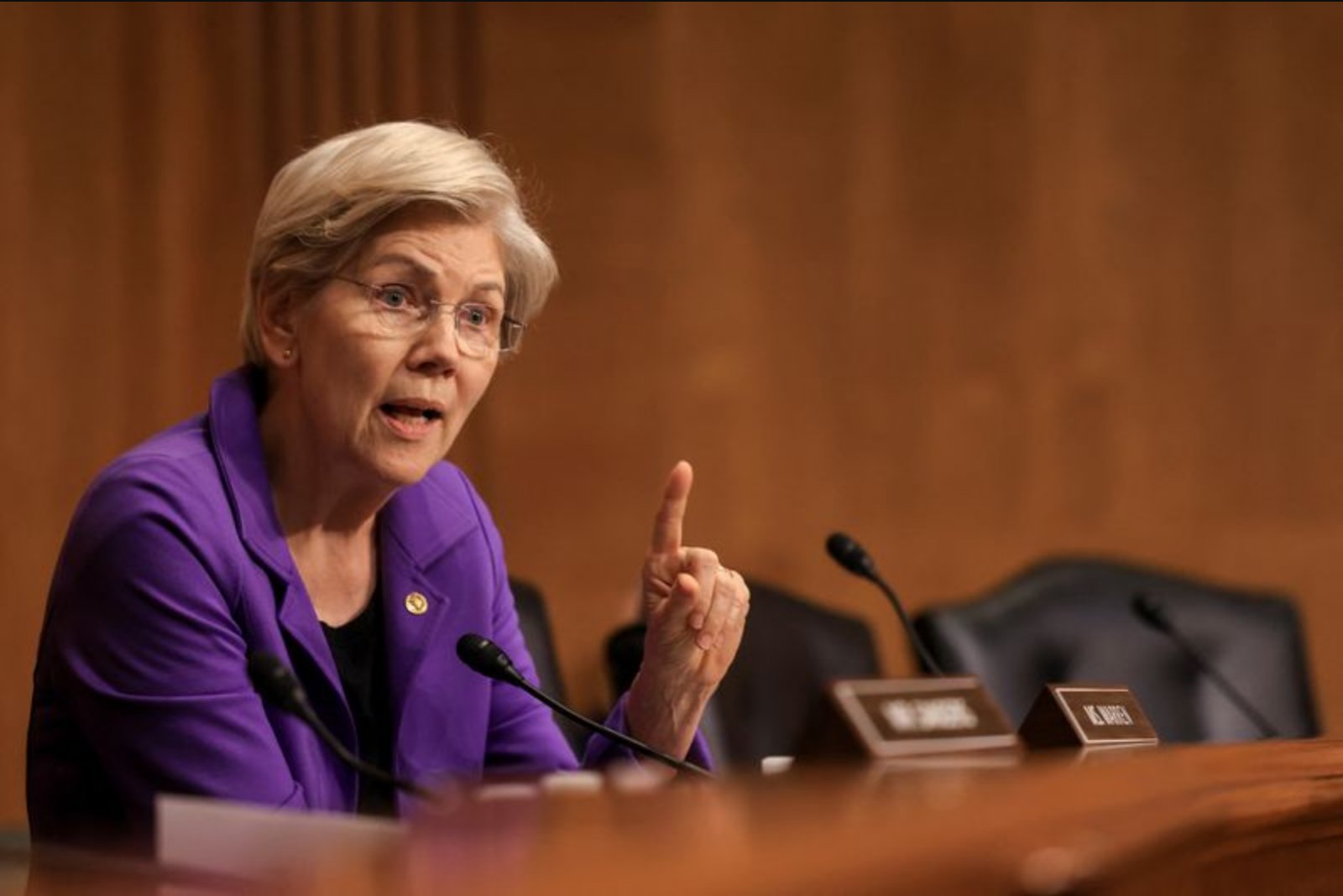
Senator Elizabeth Warren, the ranking Democrat on the Senate Banking Committee, has formally requested that Treasury Secretary Scott Bessent end the $20 billion currency swap line the U.S. Treasury extended to Argentina last year.
In a letter dated Wednesday, Warren said the Treasury had previously told Congress the swap arrangement was intended as a temporary bridge for "acute, short-term and urgent" needs to help Argentine President Javier Milei navigate a crucial October election and press forward with economic reforms. She argued that maintaining the arrangement in place left open the possibility of continued use of U.S. Exchange Stabilization Fund resources beyond that timeframe.
"Despite Treasury’s assertion that its use of the (Exchange Stabilization Fund) was for an ’acute, short-term and urgent’ purpose, it appears - by leaving the (exchange stabilization arrangement) in place - to have left open the possibility of continued use of the ESF in Argentina well after the October 2025 elections," Warren wrote in the letter.
Treasury reached the agreement with Argentina shortly before a significant midterm election, at a time when Argentina's economy was described as struggling. The swap line gave Argentina's central bank access to funds it could deploy to support the peso and reduce the risk of a devaluation in the run-up to the vote.
According to the details cited by Warren, the funds were used in October to both repay debt to the International Monetary Fund and to return foreign currency that had been employed to bolster the exchange rate in the days immediately before the election. President Milei, identified in the correspondence as a close ally of U.S. President Donald Trump, succeeded in expanding his influence in Argentina's legislatures.
Warren noted that Bessent had told the Senate Banking Committee last month that Argentina had "quickly and fully repaid its limited draw on the swap facility," and that the Exchange Stabilization Fund did not hold any pesos. However, the senator said there was no formal confirmation that the arrangement itself had been closed.
She asked Bessent to provide written confirmation of the closure of the exchange stabilization arrangement by Feb. 12.
Argentina's foreign ministry and its economy ministry did not immediately respond to requests for comment. Treasury Secretary Bessent is scheduled to testify before the Senate Banking Committee on Thursday.
Context and implications
The correspondence underscores congressional concern about the duration and oversight of emergency financial instruments provided to foreign partners. Warren's request for written confirmation aims to clarify whether the swap arrangement remains available to Argentina after the transactional use in October and to ensure the facility aligns with the Treasury's stated, short-term intent.