
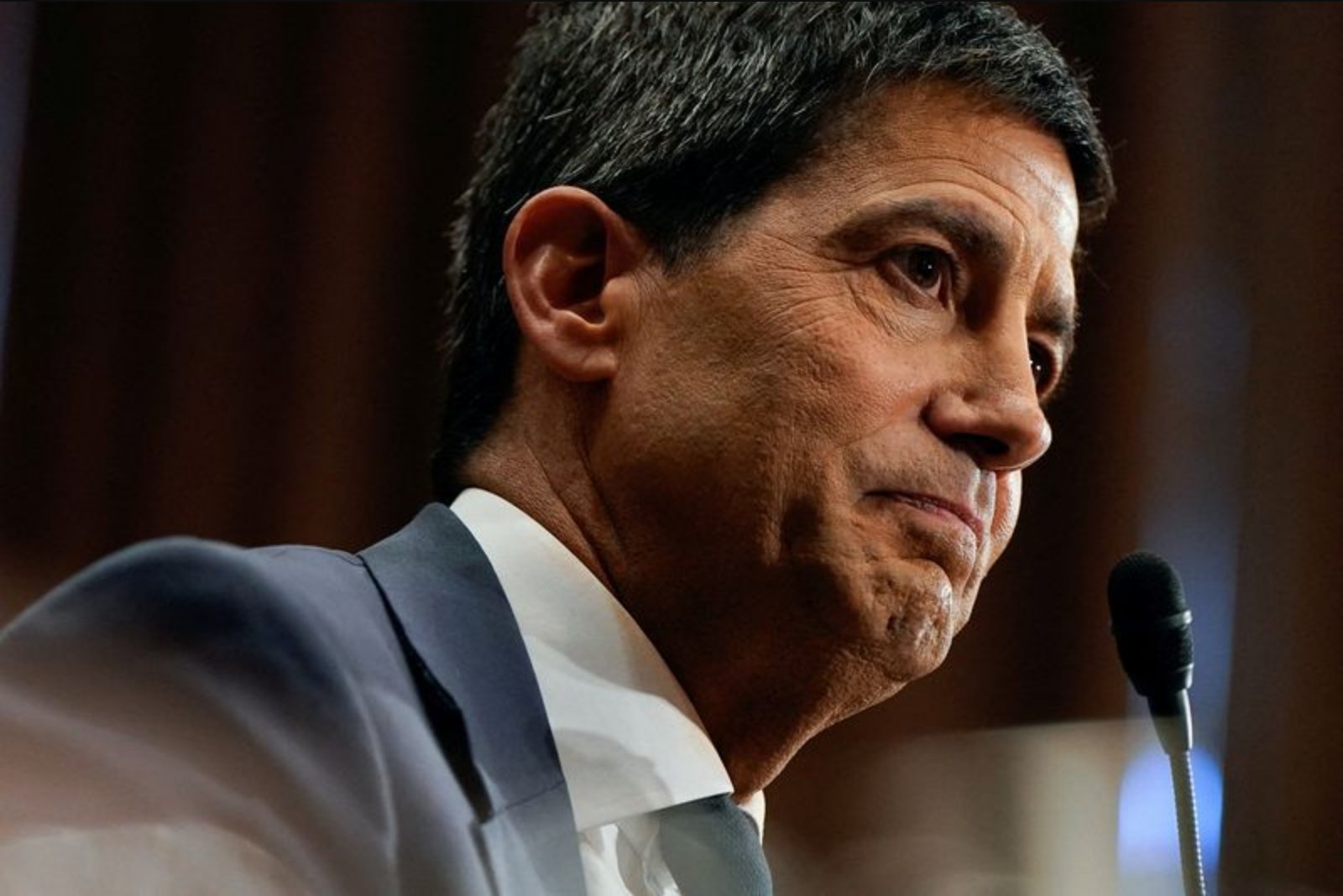
The Senate on Tuesday approved Kevin Warsh for a 14-year term as a Federal Reserve governor by a 51-45 margin, moving him significantly closer to the Fed’s top leadership role. The tally included one Democrat, John Fetterman of Pennsylvania, casting his vote with the Republican majority.
In tandem with that confirmation, the Senate initiated the process for Warsh’s concurrent four-year term as chair by holding a cloture vote that begins the formal countdown to a final confirmation vote for the leadership post. Lawmakers signaled the possible opportunity to approve him for chair as soon as Wednesday. Jerome Powell’s term as Fed chair is set to expire on Friday.
Warsh’s background is a blend of legal and financial experience alongside prior service as a Fed governor. Supporters and critics alike see his rise occurring at a politically sensitive moment for the central bank, as officials face rising public pressure from the administration to move toward lower interest rates.
That pressure has taken several forms. The administration has pursued an effort to remove Fed Governor Lisa Cook, a case that is now pending before the Supreme Court. Additionally, the White House backed a Department of Justice inquiry into Powell’s handling of a building renovation, an investigation that a federal judge concluded had been used as a pretext to push Powell to reduce rates or step down.
The DOJ formally dropped the renovation probe, though the lead prosecutor in Washington has said she could reopen it. Against that backdrop of legal and political tensions, Powell has indicated he will take the unusual step of remaining on the Fed’s Board of Governors after his chair term ends. He framed that decision as a response to what he called a "series of legal attacks on the Fed which threaten our ability to conduct monetary policy without considering political factors."
Warsh has described his intended direction for the central bank in stark terms, saying he plans a "regime change" at the Fed. His stated priorities include tightening coordination between the Fed and the Treasury Department and the Trump administration on non-monetary policy matters, and steering the central bank toward a smaller balance sheet. Warsh argues these measures would make it feasible to pursue a lower policy rate.
Markets are tracking those political developments alongside macroeconomic signals. A surge in oil prices since the start of the Iran war has contributed to higher inflation, which in turn has reduced investor expectations for an interest-rate cut this year. At present, financial markets are pricing about a one-in-three chance of a rate hike by December. The Fed’s current target range for short-term borrowing costs remains 3.50% to 3.75%.
Operationally, the Fed chair holds one of 12 votes on the interest-rate-setting Federal Open Market Committee and represents one of 19 voices at the policy table. The next scheduled policy meeting, likely to be the first under Warsh’s chairmanship if he is confirmed in time, is set for June 16-17.
Summary
The Senate confirmed Kevin Warsh to a 14-year term as a Fed governor by a 51-45 vote that included Democrat John Fetterman siding with Republicans. The chamber also began the cloture process for Warsh’s separate four-year term as Fed chair, opening the way for a possible final vote as soon as Wednesday. Warsh, a lawyer, financier and former Fed governor, has pledged a "regime change" at the Fed that would tighten coordination with Treasury and aim for a smaller balance sheet to permit lower rates. Political pressure from the administration, including a challenge to Governor Lisa Cook now before the Supreme Court and a previously dropped DOJ probe of Powell’s renovation project, has heightened tensions. Powell intends to remain on the Fed board after his chair term ends, citing a "series of legal attacks on the Fed which threaten our ability to conduct monetary policy without considering political factors." Rising oil prices linked to the Iran war have pushed inflation up and reduced bets on a near-term rate cut, with markets putting roughly a one-in-three chance on a rate increase by December. The Fed's target range is 3.50% to 3.75%, and the next meeting is scheduled for June 16-17.
Key points
- Senate confirmation for Warsh as Fed governor passed 51-45, with Democrat John Fetterman joining Republicans - impacts central bank leadership and policy direction.
- Cloture was invoked to start the confirmation timeline for Warsh's separate four-year chair term, with a final vote possible as soon as Wednesday - relevant to Treasury, banking, and broader financial markets.
- Higher oil prices since the start of the Iran war have lifted inflation and trimmed expectations for a rate cut this year; markets assign about a one-in-three chance of a rate hike by December - directly affecting interest-rate-sensitive sectors and bond markets.
Risks and uncertainties
- Political and legal pressure on the Fed, including the Supreme Court case over the attempted removal of Governor Lisa Cook and the DOJ's dropped-but-not-necessarily-closed renovation probe of Powell, create uncertainty for monetary policy credibility - risk to banking and capital markets stability.
- Rising oil-driven inflation could force the Fed to maintain tighter policy for longer, complicating expectations for interest-rate moves and influencing borrowing costs across the economy - risk to consumer spending and interest-sensitive sectors.
- The potential reopening of the DOJ investigation by its lead prosecutor adds procedural risk and could influence perceptions of the Fed's independence - relevant to financial market confidence and institutional governance.