
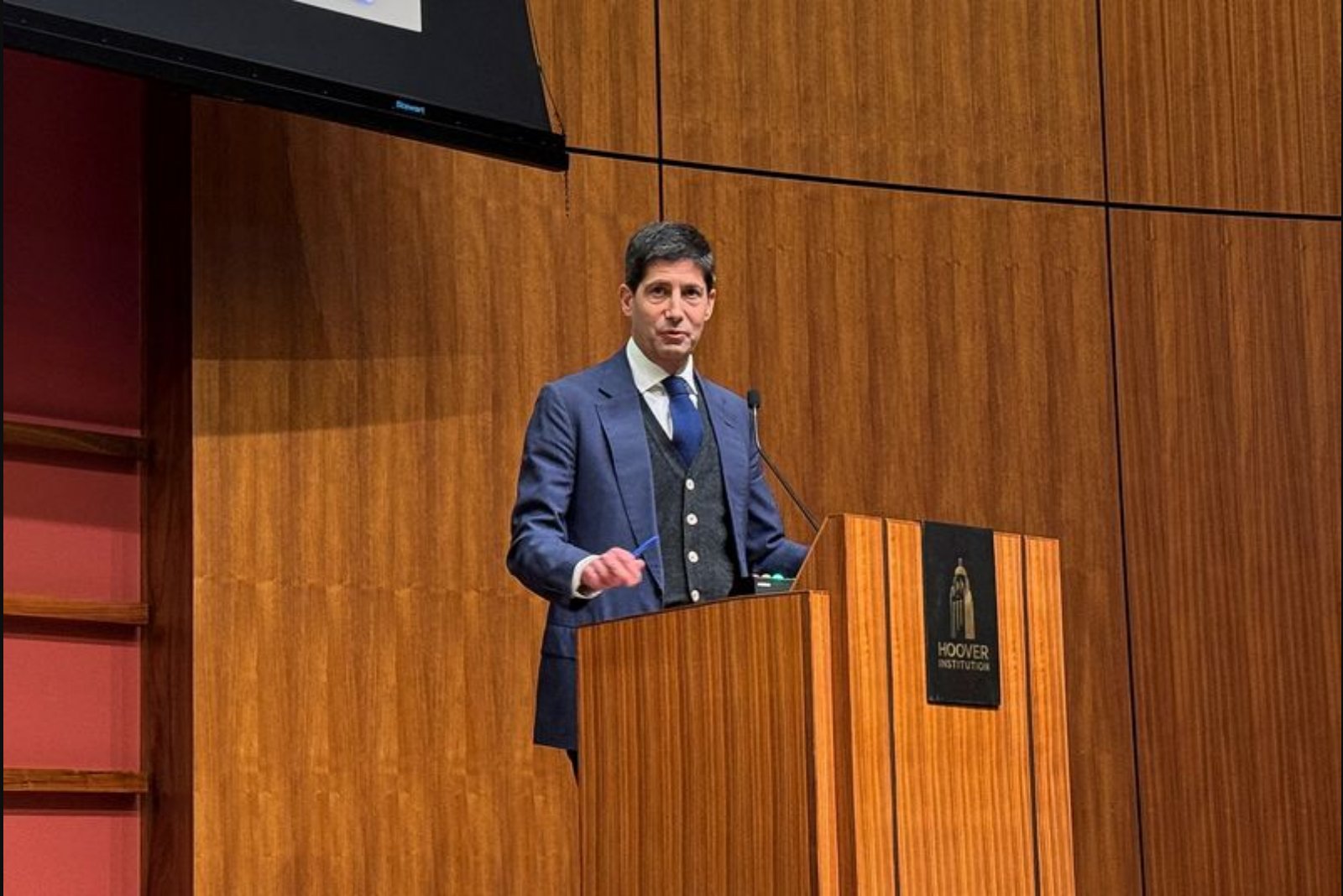
The Senate Banking Committee is planning to hold a confirmation hearing for Kevin Warsh, President Donald Trump’s nominee to chair the Federal Reserve, as soon as the week of April 13, Punchbowl News reported on Sunday, citing two sources familiar with the committee’s scheduling. The process has been slowed by political resistance in the Senate, which has left Jerome Powell in place as Fed Chair while the nomination remains unsettled.
President Trump has signaled a preference for a Fed leader willing to move more quickly to lower interest rates. That preference has become a focal point of debate as the nomination faces pushback in the Senate, delaying any potential transition in central bank leadership.
At the same time, the economic backdrop has grown more uncertain. Oil prices jumped after U.S.-backed airstrikes on Iran, and an intensifying war in the Middle East has disrupted important shipping routes. Those developments have contributed to a deterioration in the inflation picture, according to the reporting.
Market participants have adjusted their expectations in response. Traders now have little expectation of a rate cut this year, as higher energy costs are feeding into broader inflation measures and reducing the Federal Reserve’s latitude to ease monetary policy. The combination of unresolved leadership at the Fed and rising inflationary pressure frames the policy debate heading into the spring.
The timeline for a confirmation hearing - and the broader path for Fed leadership - remains subject to the Senate’s political dynamics. With Powell remaining in office until a successor is confirmed, the interplay between political resistance to Warsh’s nomination and worsening energy-driven inflation will continue to influence market expectations and the policy outlook.
Summary
The Senate Banking Committee is planning a hearing for Kevin Warsh as early as the week of April 13, per Punchbowl News. Political resistance has delayed the nomination while Fed Chair Jerome Powell remains in place. Meanwhile, oil price spikes after U.S.-backed airstrikes on Iran and disruptions to shipping from an escalating Middle East conflict have worsened inflation, leading traders to largely discount a rate cut this year.