
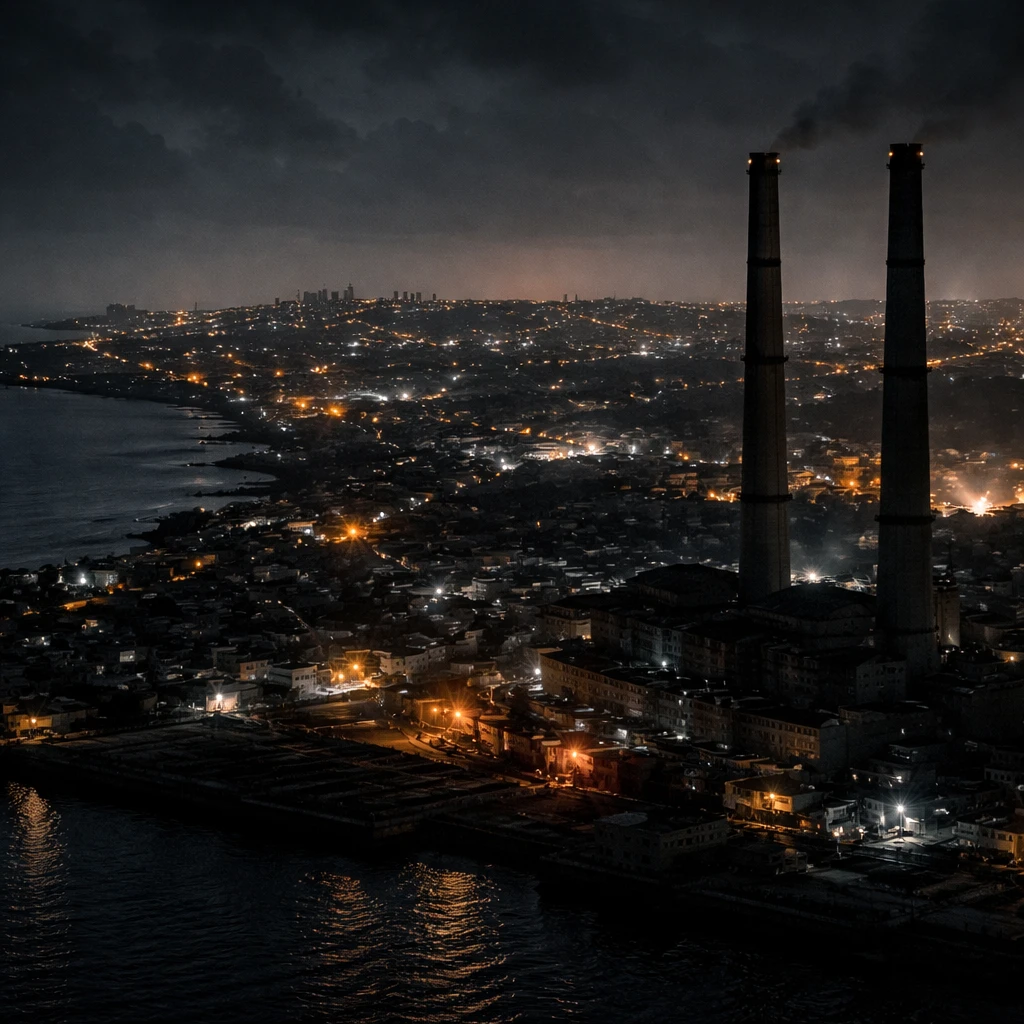
Cuba's national electricity network suffered a full-system disconnection on Saturday evening, the state-run utility Union Electrica said, marking the second occasion in one week in which the entire grid went offline. The blackout was logged at 18:32 local time and affected an estimated 10 million people across the island.
This episode comes on the heels of a comparable total collapse earlier in the week and follows a significant generating-plant failure on March 4. Taken together, these events underline the fragility of Cuba's aging thermoelectric infrastructure as the country grapples with a deepening shortfall in available fuel.
Officials and analysts point to the abrupt loss of regular favorable oil shipments as the central factor behind the current energy emergency. After the January 3 deposition of Nicolas Maduro, the Trump administration implemented measures that removed the preferential Venezuelan oil support that had been a cornerstone of Cuba's energy supply. These actions curtailed the flow of Venezuelan exports to the island and included threats of punitive tariffs aimed at third-party suppliers, including Mexico, effectively narrowing Havana's access to regional fuel partners.
At the same time, limited adjustments to broader U.S. policy on global oil flows have not produced relief for Cuba. Although Washington temporarily eased restrictions on Russian oil products to help stabilize global price benchmarks, the measures included carve-outs that prevented that temporary easing from extending assistance to the Caribbean nation.
The recurring grid failures have revived a long-running dispute over their underlying causes. Cuban authorities attribute the disintegration of the electricity network to the longstanding trade embargo and the more recent maritime restrictions that have constrained fuel availability. U.S. officials, in contrast, argue that the problems stem from structural shortcomings in Cuba's centrally planned economic model and an absence of private-sector investment.
Compounding the political confrontation, volatility in global oil prices linked to hostilities in the Middle East has compounded market pressures. Observers say that Cuba's effective exclusion from international energy markets is accelerating wear on its domestic power-generation capacity, stressing thermal plants designed decades ago and leaving the grid increasingly exposed to interruptions when supply is disrupted.
The repetition of total system collapses within a short period signals that the national grid no longer possesses the operational resilience required to meet basic electricity needs under current constraints. With fuel scarce and generating plants operating without robust margins, the island faces continued risk of large-scale outages unless supply or system reliability is materially restored.
Summary
Cuba endured a nationwide blackout Saturday at 18:32 local time impacting about 10 million people. This was the second full-grid failure in a week and follows a major plant breakdown on March 4. The immediate cause is tied to a tightening of U.S. oil-related restrictions that removed previous Venezuelan fuel support and curtailed access to regional suppliers, while both Havana and Washington offer differing explanations for the grid's deterioration.