
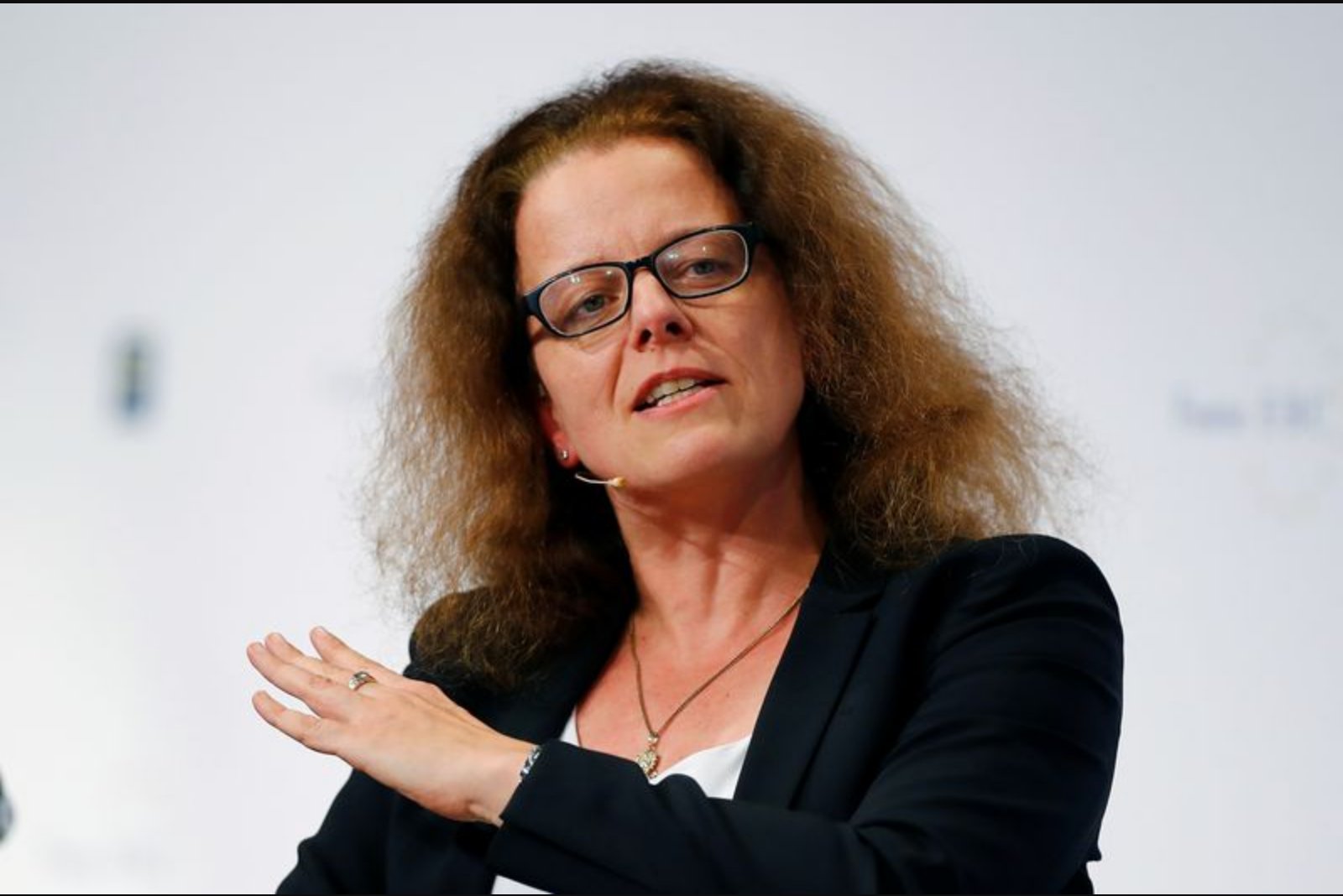
European Central Bank board member Isabel Schnabel said policymakers should not be quick to lift interest rates in response to a recent jump in inflation, urging a careful, data-driven assessment of whether the increase is temporary or becoming entrenched.
Speaking at a university lecture in Zürich, Schnabel - who is regarded as a hawkish member of the ECB's Governing Council - said the bank should use the available time to examine whether second-round effects are appearing, how robust demand is, and whether inflation expectations and wage growth are beginning to embed the shock.
"There is no need to rush into action," Schnabel said. "We have the time to look at the data and to analyse what is actually happening, whether there is evidence of second-round effects, how strong the demand environment is, and how likely it is that this inflation shock is becoming entrenched in inflation expectations, and also in wage growth."
The comments come after the ECB raised its inflation projections last week. That upward revision has prompted debate among policymakers on whether to move pre-emptively to raise interest rates to prevent rapid price growth from becoming entrenched, or whether it is preferable to look through the recent shock.
Financial markets have already priced in three interest rate hikes from the ECB this year, with the first expected in April or June, on the assumption that policymakers will seek to act sooner after criticism over their handling of the 2021/22 inflation surge. Schnabel cautioned that current conditions differ from that earlier period.
"We are in a different starting position," she said. "And I would argue that this gives us the time to analyse carefully." Schnabel pointed out that interest rates are higher now, fiscal policy is providing less support, there is no pent-up demand akin to the post-pandemic environment, and supply-demand imbalances are not the same.
At the same time, Schnabel acknowledged the risks from the energy shock, saying it could lead to more persistent inflation. She stressed that if the energy-driven impact on inflation endures, monetary policy will need to respond.
"If there is a more persistent impact on inflation, monetary policy will need to act, and it will act, and it will act decisively, just as we have done the last time," she said.
Her remarks underline a central tension for the ECB: weighing the case for early tightening to prevent inflation from becoming entrenched against the argument for patience to determine whether the current spike is temporary. That calculation will shape market expectations and influence sectors that are sensitive to interest-rate paths and energy costs.
Impacted sectors
- Financials - sensitive to interest-rate expectations and yield curves.
- Energy and utilities - affected by the energy shock and potential pass-through to prices.
- Household consumption and goods - influenced by wage growth and inflation persistence.