
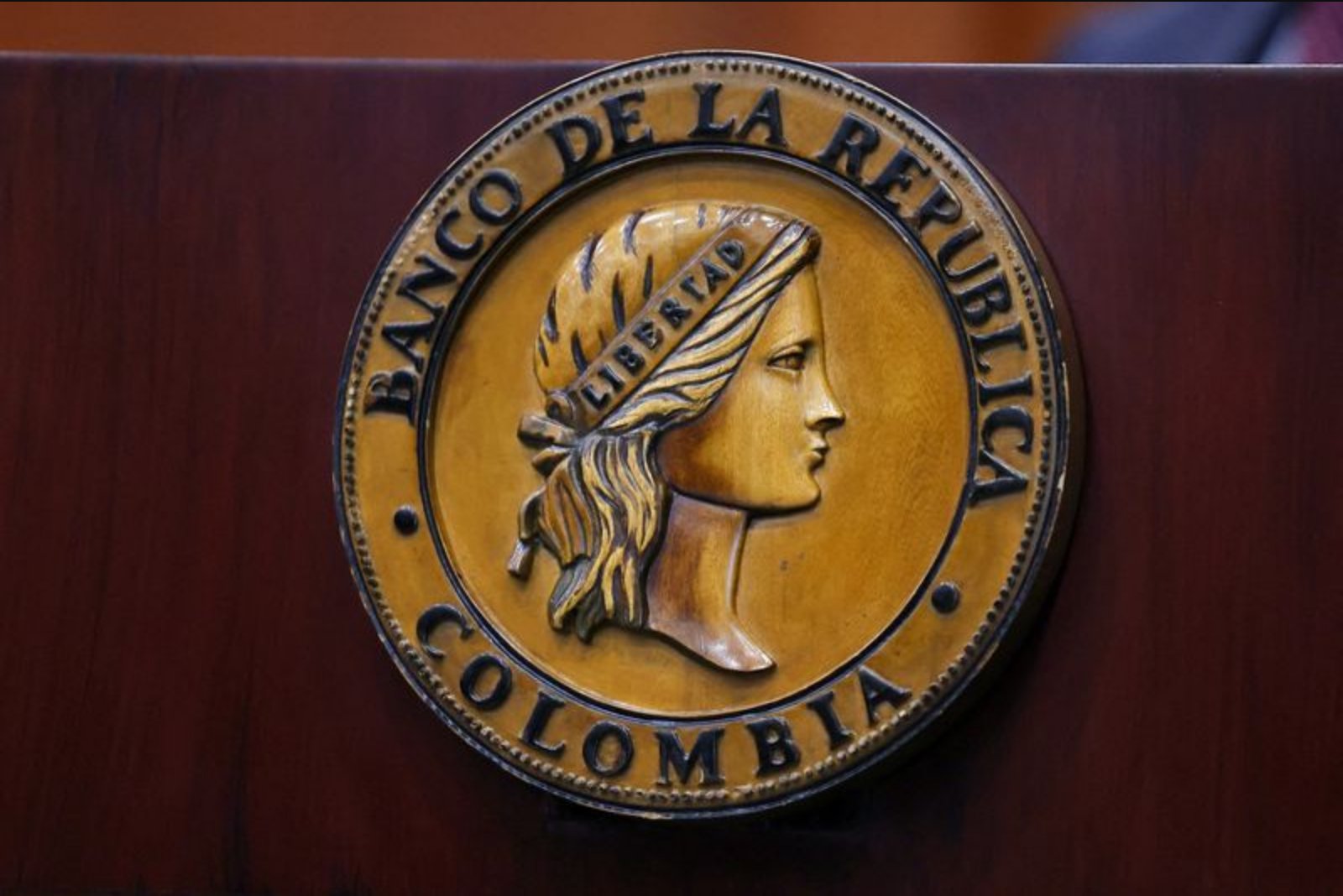
Colombia entered a period of increased policy uncertainty after Finance Minister German Avila, acting with President Gustavo Petro's backing, withdrew from the Bank of the Republic's board. The departure followed a contentious board decision to raise the benchmark interest rate by 100 basis points to 11.25% in a 4-2-1 vote.
Avila publicly criticized the hike as "disproportionate," while President Petro accused the central bank of pursuing "a policy that is killing the Colombian economy." Analysts have warned the government’s refusal to participate in board meetings could disrupt the central bank’s operations and further unsettle an already fragile macroeconomic backdrop less than four months before the end of Petro’s four-year term.
Legal and procedural implications
Colombian law stipulates that at least five of the central bank’s seven board members must be present to make decisions, and that one of those five must be the finance minister. Constitutional lawyer Juan Manuel Charry said the government’s action "is a kind of boycott of the board of directors of the Bank of the Republic, trying to prevent it from functioning," speaking to Javeriana Estereo.
Legal experts have noted that while the finance minister can step down from the board, the president is bound to appoint a replacement. Failure to do so could expose the president to potential disciplinary investigations by Congress, according to analyses of the situation.
Macro and market consequences
Observers cautioned that the minister’s absence could, in practice, block the central bank from making monetary policy decisions, including in emergency situations. "Overall, in practice, the minister’s absence could effectively block the central bank’s ability to make monetary policy decisions... at a time of elevated external uncertainty and significant macroeconomic vulnerabilities," said Andres Pardo, head of LatAm macro strategy at XP Investments.
Pardo highlighted the backdrop against which this dispute has unfolded: a large fiscal deficit, a widening current account deficit and inflation expectations that are not firmly anchored. The central bank has already lifted interest rates by 200 basis points so far this year as it seeks to rein in inflation, and some analysts project the benchmark could reach 12% by year-end.
Market sentiment has reacted to the standoff. The Bank of Bogota, in a research note, described the episode as "momentous insofar as it generates high uncertainty about future monetary policy meetings," adding that the impasse could raise the country’s risk premiums.
Government stance and next steps
After departing from Tuesday’s board meeting, Avila said at a press conference that the government would only reconsider its position when the central bank "understands that there must be consistency with the country’s economic reality." The statement underscored a broader tension between the government and the central bank over the trajectory of monetary policy.
At the same time, legal commentators emphasize the president’s responsibility to name a replacement should the finance minister formally relinquish his seat on the board, making that a potential procedural remedy to restore quorum and allow the bank to resume its decision-making process.
Outlook
Analysts and market participants now face heightened uncertainty about the timing and outcome of future monetary policy meetings. With significant macroeconomic vulnerabilities already present, the dispute between the government and the central bank introduces an added layer of risk for monetary authorities, public finances and financial markets in the near term.