
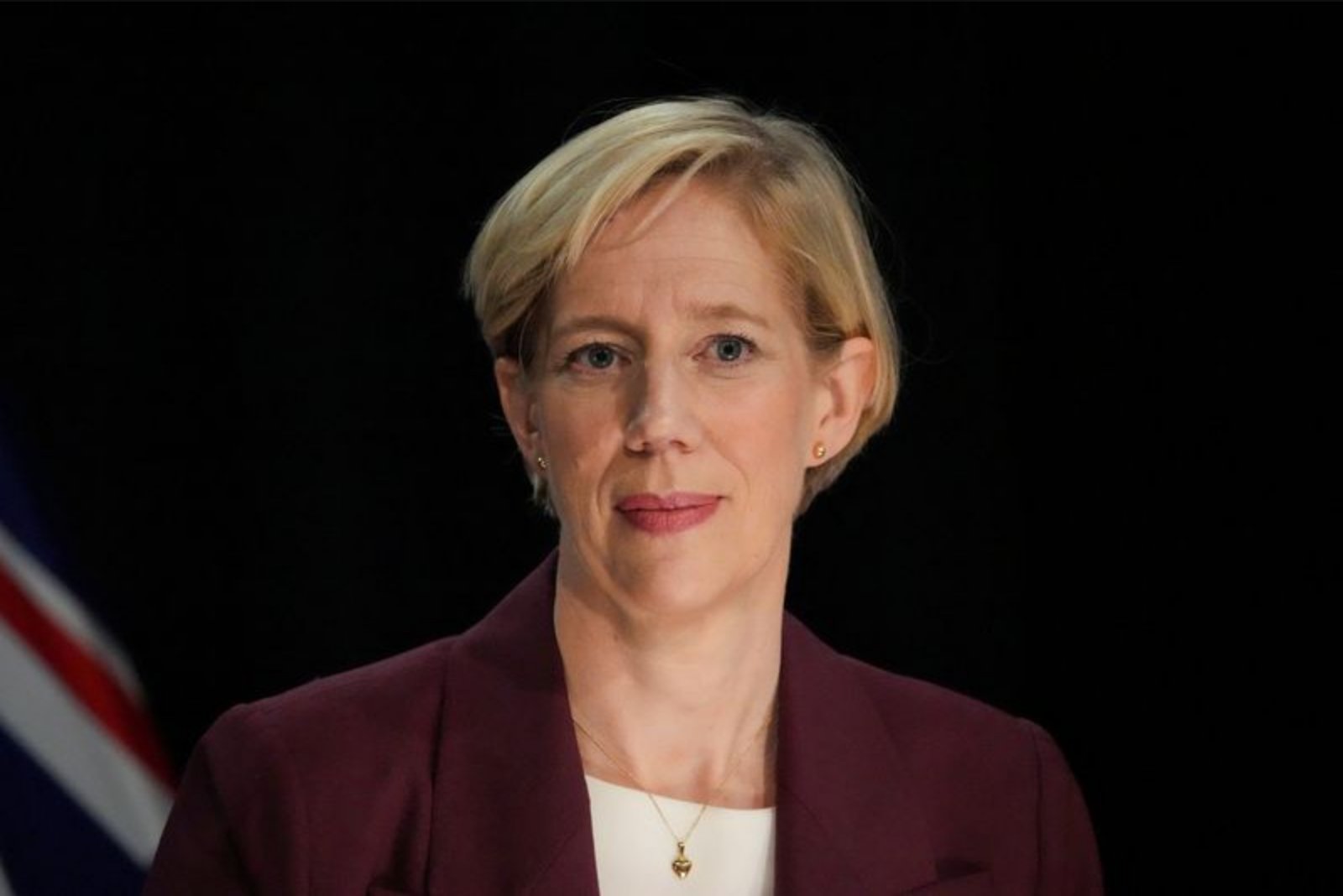
The head of New Zealand's central bank said on Tuesday that monetary policy should treat a short-term jump in energy prices as transitory, but that higher interest rates could be necessary if inflationary effects persist. In a speech, Reserve Bank of New Zealand Governor Anna Breman emphasized the importance of the shock's duration when weighing inflation risks against the negative effects on economic growth.
Breman said a brief disruption and a temporary rise in petrol prices "can - and should - be looked through from a monetary policy perspective if it is unlikely to have an impact on medium-term inflation outcomes." She added that should the energy shock influence medium-term inflation or inflation expectations, "the appropriate policy response could be to increase interest rates to prevent these second-round effects."
The RBNZ cut interest rates sharply over the past couple of years and has kept them steady at 2.25% since November. Market participants have increasingly priced in the possibility that the bank may need to begin tightening policy to counter the inflationary impulse from rising energy costs. Current market pricing assigns little probability to a rate increase at the bank's next policy meeting on April 8, but implies around a 60% chance of a 25 basis-point rise at the following meeting in May. Markets expect the official cash rate to finish the year at about 3.0%.
Breman acknowledged the immediate strains higher energy costs place on households and businesses, describing a period of increased uncertainty and potential hardship. She argued that targeted fiscal measures would be more effective at directly supporting those facing cost pressures than adjustments to monetary policy.
Still, the governor stressed the central bank's mandate to prevent temporary shocks from seeding persistent inflation. "Most importantly, monetary policy can and should ensure that a temporary inflation spike does not turn into enduring inflationary pressures," she said, adding that "The Committee will be vigilant to this risk."
The speech framed the central bank's approach as conditional: transient energy-driven cost increases can be overlooked where they are unlikely to alter medium-term inflation dynamics, but the RBNZ remains prepared to tighten policy if second-round inflation effects emerge. That posture factors into market expectations and places emphasis on incoming data regarding both energy price developments and inflationary momentum.
For now, the RBNZ is balancing two competing considerations: the need to avoid unnecessarily impeding economic growth with higher rates in response to a short-lived price shock, and the obligation to act where inflation risks become entrenched. The bank's communications highlight the importance of the shock's persistence in shaping its policy response.