
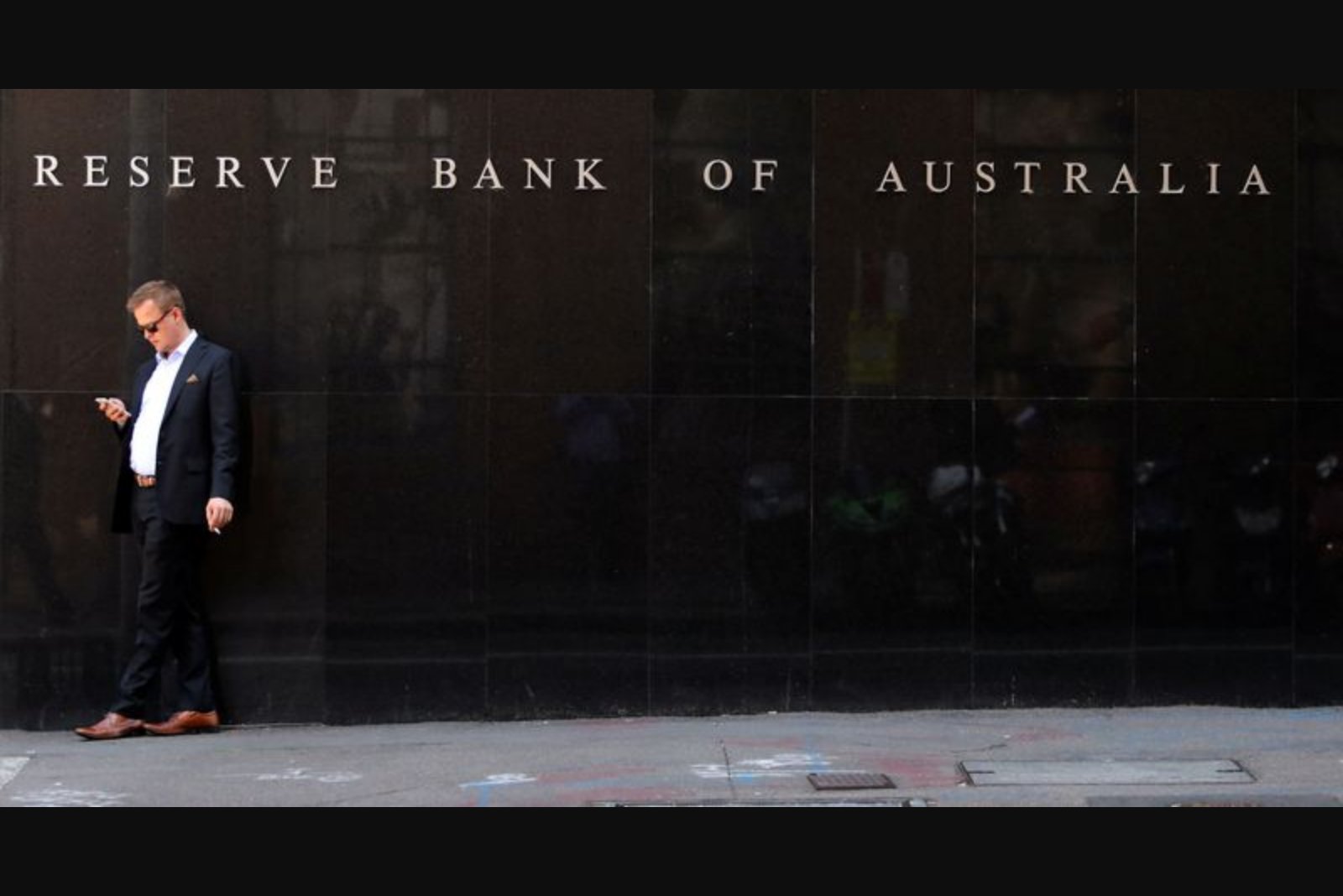
SYDNEY, March 31 - Australia’s central bank said on Tuesday that it would end surcharges on debit and credit card payments for consumers from October 1, while lowering interchange fees paid by businesses in steps estimated to save about A$2.5 billion a year.
Following a year-long review, the Reserve Bank of Australia concluded that the longstanding surcharging framework - introduced more than two decades ago - no longer functioned as intended. The bank said it would remove card surcharging on designated eftpos, Mastercard and Visa networks.
In explaining the decision, the RBA highlighted changes in how surcharging was applied by merchants and shifts in consumer payment habits. The central bank said: "The increased prevalence of businesses surcharging all cards at the same rate, challenges with enforcing the current surcharging framework, and consumers using less cash have reduced the effectiveness of the surcharging regime."
Under the announced package, the abolition of card surcharges for consumers is forecast to deliver around A$1.6 billion a year in direct savings to households. Separately, capping interchange fees - the amounts paid by merchants to card issuers and networks for processing transactions - is projected to lower business costs by about A$900 million annually, with small firms identified as the principal beneficiaries among merchant groups.
The RBA noted that American Express has a distinct agreement with the bank and is exempt from these regulatory changes.
As part of its forward workplan, the central bank said it will open a public consultation in mid-2026 to assess whether additional areas of the retail payment system warrant regulation. The consultation will examine segments not covered by the current review, explicitly including mobile wallets and "buy now pay later" services.
Summary of measures
- Eliminate consumer surcharges on designated eftpos, Mastercard and Visa networks from October 1.
- Phase in caps on interchange fees to reduce merchant costs.
- Public consultation in mid-2026 to evaluate regulation for mobile wallets and buy now pay later services.
Context and immediate effects
The RBA’s assessment followed a year-long review and a consumer survey of 3,000 Australians in which about three quarters of respondents said they viewed surcharging as unnecessary and believed it should stop. The combined measures are estimated to save roughly A$2.5 billion annually, split between consumers (A$1.6 billion) and businesses (A$900 million).