
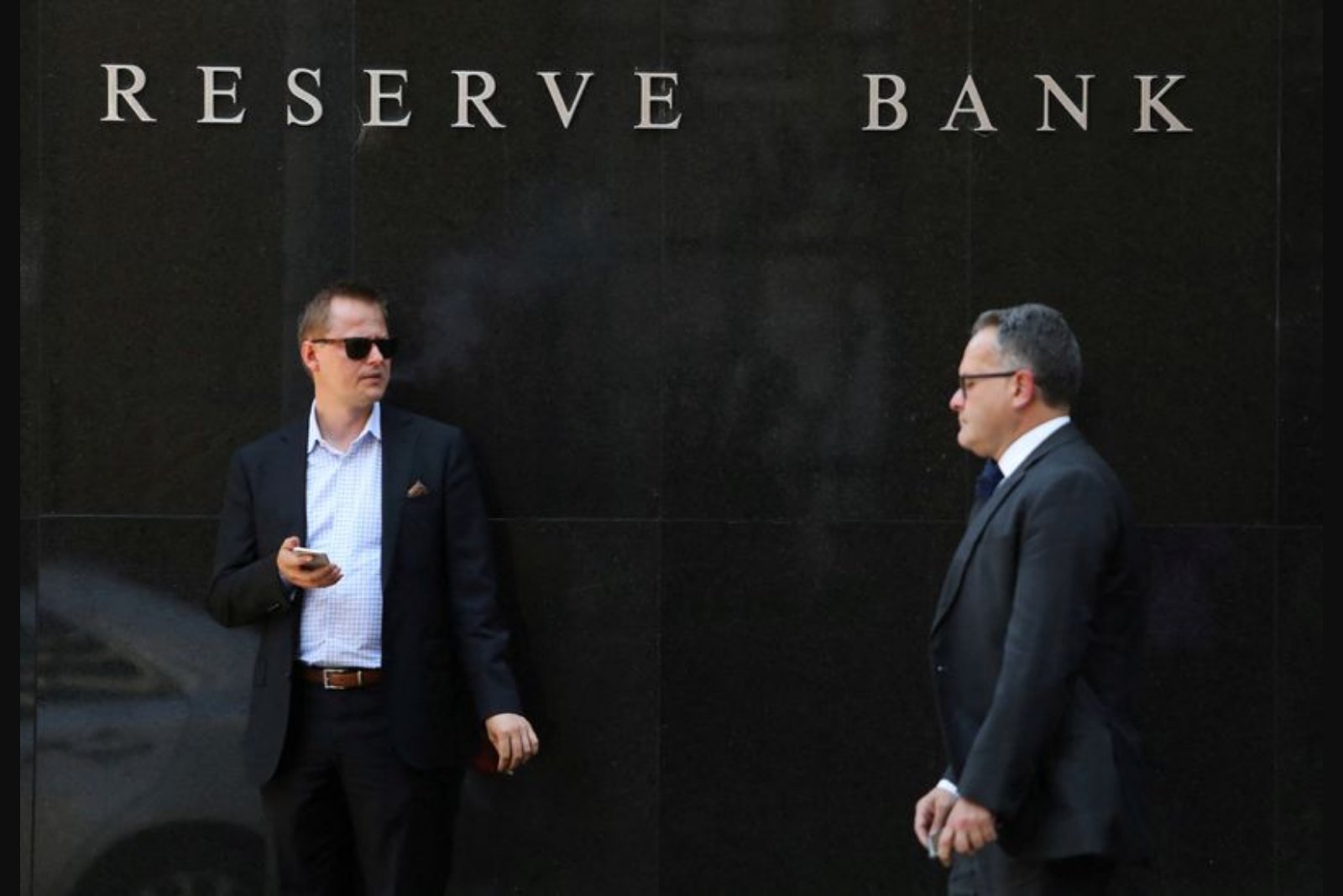
Members of the Reserve Bank of Australia board concluded at their March meeting that monetary policy needed to remain on the restrictive side when they approved a 25 basis point increase earlier in the month, but they also emphasised that the path for future rate decisions was unclear given geopolitical uncertainty.
The minutes published on Tuesday show the board raised the cash rate to 4.1% in a 5-4 vote - the narrowest split since the central bank began publishing tallies - reversing two of the three cuts made in 2025. Board members agreed that, after two rate hikes this year, it was not possible to predict the future path for interest rates with any degree of confidence because of uncertainty related to the conflict in the Middle East.
"A longer conflict could have a material bearing on both inflation and economic activity," the minutes state. "Members therefore acknowledged that future policy decisions would require the board to balance its two objectives carefully."
Markets are pricing in a roughly 60% chance of another rate increase in May and expect an additional 65 basis points of tightening across the remainder of the year.
The minutes note that the board had already tightened policy unanimously in February, and that all members saw the likely need for further tightening, though they differed on the timing of any additional moves. Those who voted for the March hike argued the Middle East conflict could further curtail already limited supply capacity in the economy and risk de-anchoring inflation expectations. They stressed the importance of demonstrating a clear commitment to returning inflation to target.
The central bank modelled an outcome in which oil prices remain around $100 a barrel, finding that such a scenario would push Australia’s headline inflation to about 5% in the June quarter. By comparison, consumer price inflation was running at 3.7% in February.
Supporters of the hike also acknowledged downside demand risks and said it would be important to monitor those carefully. "These members conceded it would be important to monitor downside risks to future demand closely... They noted that the board’s ability to respond effectively to a more material contraction in aggregate demand, should it occur, would not be impaired (by raising rates)," the minutes say.
In contrast, the four members who opposed the March increase pointed to softer household consumption and questioned whether the labour market had tightened in recent months. Those dissenting members saw value in waiting longer to assess how the conflict in the Middle East might feed through to inflation and activity before committing to further tightening.
Summary
The RBA raised the cash rate by 25 basis points to 4.1% in March in a 5-4 vote. Board members agreed policy needed to be restrictive but could not confidently map out the path of future rate moves because of uncertainty stemming from the Middle East conflict. Officials modelled that sustained $100 oil would lift headline inflation to around 5% in the June quarter, compared with 3.7% inflation in February.
Key points
- RBA raised rates 25 basis points to 4.1% in a 5-4 split, reversing two of the three cuts made in 2025.
- Policymakers said the future path for interest rates is uncertain due to the Middle East conflict and its potential effects on inflation and activity.
- Modelled oil prices near $100 a barrel could raise headline inflation to about 5% in the June quarter; consumer inflation was 3.7% in February.
Risks and uncertainties
- Prolonged conflict in the Middle East - could materially affect both inflation and economic activity; relevant to energy and general price levels.
- Oil prices holding near $100 a barrel - would raise headline inflation around the June quarter, affecting consumer prices and sectors sensitive to energy costs.
- Weaker household consumption and uncertain labour market tightness - may reduce the case for immediate further tightening and influence consumer-facing sectors and employment-sensitive markets.