
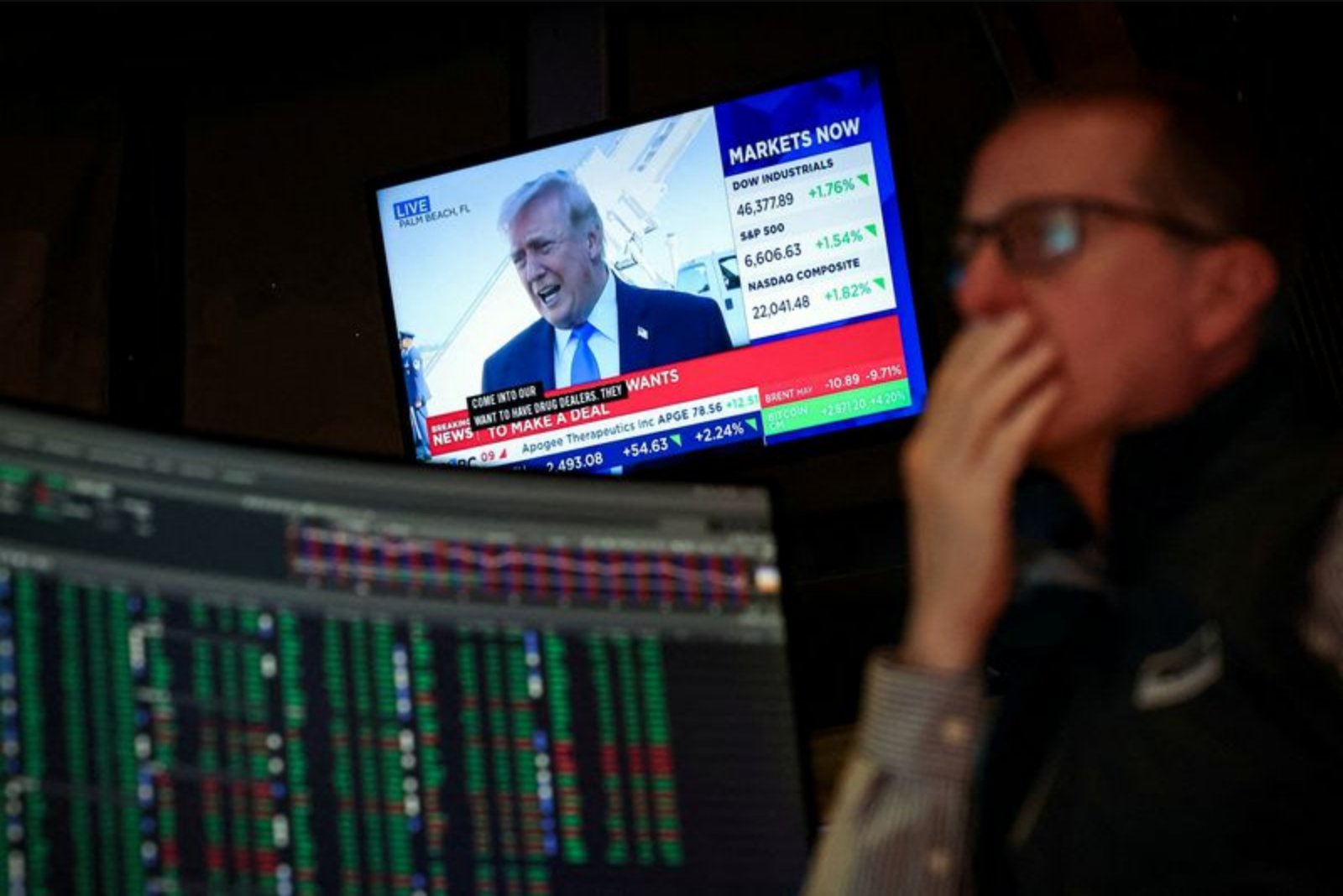
March 30 - Global financial markets are closing out a turbulent first quarter dominated by geopolitical shocks that have reshaped investor priorities. The conflict involving Iran has been a defining influence, with reports indicating that the war has erased roughly $7 trillion from global equity market capitalization since it began. At the same time, energy markets have registered extreme moves: oil and gas prices are up about 70% and 85%, respectively, year to date, leaving traders and policy makers to reprice risk and inflation expectations.
The sudden spike in energy costs has altered economic narratives that had taken shape earlier in the year. What once looked like a path toward lower interest rates has been inverted in many markets, as higher oil and gas prices increase the risk of inflationary pressure. This reassessment has been compounded by a flight from many traditional safe havens: gold, which had been climbing persistently since early 2025, fell about 16% this month, underscoring how few reliable shelters remain when geopolitical and macroeconomic stressors converge.
Geopolitics at the center
Geopolitical developments remain central to market moves. U.S. President Donald Trump issued a stark warning that Iran must reopen the Strait of Hormuz - a critical maritime chokepoint for global oil flows - or face the destruction of its power infrastructure. That rhetoric adds to an already fraught backdrop in which wars, diplomatic shifts and unexpected interventions have been major market drivers. Even before the most recent escalation with Iran, geopolitical news had been active, including interventions in Venezuela and Greenland mentioned earlier in the quarter, and signs of stress in segments of private credit.
With hostilities ongoing, markets are left to weigh how prolonged conflict might affect growth, inflation and policy choices - and whether central banks will need to act sooner than previously anticipated. The calendar ahead is also busy with elections in some jurisdictions, adding another layer of political uncertainty as the market moves into the second quarter.
Volatility and swift price reversals
March has been marked by extreme price moves and rapid reversals. One notable instance occurred when U.S. social media commentary suggested talks with Tehran were "constructive," prompting the oil price to fall around 15% in minutes. Market participants noted, however, that about 15 minutes before the social media post somebody placed roughly a $500-million set of bets on crude composed predominantly of sell orders while the oil price was up roughly 2% that day. The identity of the actor behind those orders and their motivations remain unclear, but the episode highlights how fast markets have turned and how closely traders are watching both social feeds and order flow for signals.
In this environment, traders and portfolio managers say agility is essential. Heavy-handed positions can become hazardous when prices can reverse sharply on thin information or fragmented order flow. The recent price behavior argues for keeping positions nimble and monitoring real-time news closely.
Key data to watch
Investors head into the week with a set of economic releases that could either exacerbate or soothe market stress. The U.S. employment report for March is due on April 3 and is a focal point for assessing the broader economic impact of the energy shock. According to a Reuters poll, the consensus expectation is for nonfarm payrolls to increase by 48,000 for March. That follows a surprising weakness in February, when payrolls declined by 92,000 and the unemployment rate rose to 4.4%.
Markets will be watching whether higher energy costs begin to undermine consumer spending and broader economic momentum. Concerns about the Iran conflict have also altered expectations for the Federal Reserve: market participants have scaled back the odds of rate cuts this year as the energy-driven inflation impulse increases the risk of persistently higher headline inflation. Other U.S. data due in the coming days include retail sales for February and reports on manufacturing and services activity, which together will help shape the near-term view of growth and inflation.
Early international indicators
Outside the United States, South Korea's March trade figures - due Wednesday - will be among the first official data points reflecting how global trade and manufacturing are responding to the energy shock and geopolitical disruption. South Korea’s export-led economy often serves as an early indicator for global demand, and investors pay particular attention to its manufacturing performance. That attention is heightened by the country’s importance to the technology supply chain: its DRAM chips are critical to artificial intelligence workloads, and supply shortages in memory have been a feature of recent months.
With volatility in the Kospi remaining elevated after recent market turmoil, the Korean trade report could prompt outsized moves in regional equities and technology-linked assets if the data deviates meaningfully from expectations.
Inflation risks in the euro zone
Flash consumer price inflation for the euro zone in March is scheduled for release on Tuesday. Headline inflation had been hovering near the euro zone's long-run reference level of 2% for an extended period, but higher energy costs are expected to push the headline rate higher, as was the case in 2022. Early indicators show notable strains: private sector growth in the euro zone slowed sharply in March, firms reported input costs at their highest level in more than three years, and supply chains experienced significant disruption.
Those developments mean the European Central Bank may face renewed pressure to raise rates as early as next month - a policy move that markets now assign significant probability to, whereas such a step had seemed unlikely before the outbreak of the Iran conflict. How persistent any inflation uptick proves to be will be critical for assessing how long the ECB must maintain a tighter policy stance.
Where markets stand
The start of the second quarter will likely be shaped by a combination of fresh economic data, continued geopolitical developments and central bank reactions. Energy markets, equity prices, and safe-haven flows have all been rattled by the conflict and attendant policy repricing. Traders and investors are preparing for further turbulence as they digest job openings, trade flows, and inflation readings that will bear on the outlook for growth and monetary policy.
What are the best investment opportunities in 2026? The best investments start with better data. Going with your gut has its place, but when excitement masquerades as intuition, it can lead to costly mistakes - or analysis paralysis. InvestingPro+ combines institutional-grade data with AI-powered insights that you do not need a finance PhD to understand. It will not guarantee winners, but it aims to help identify more of them, more often. So what are the best investments of 2026 so far? Ask WarrenAI, then decide.