
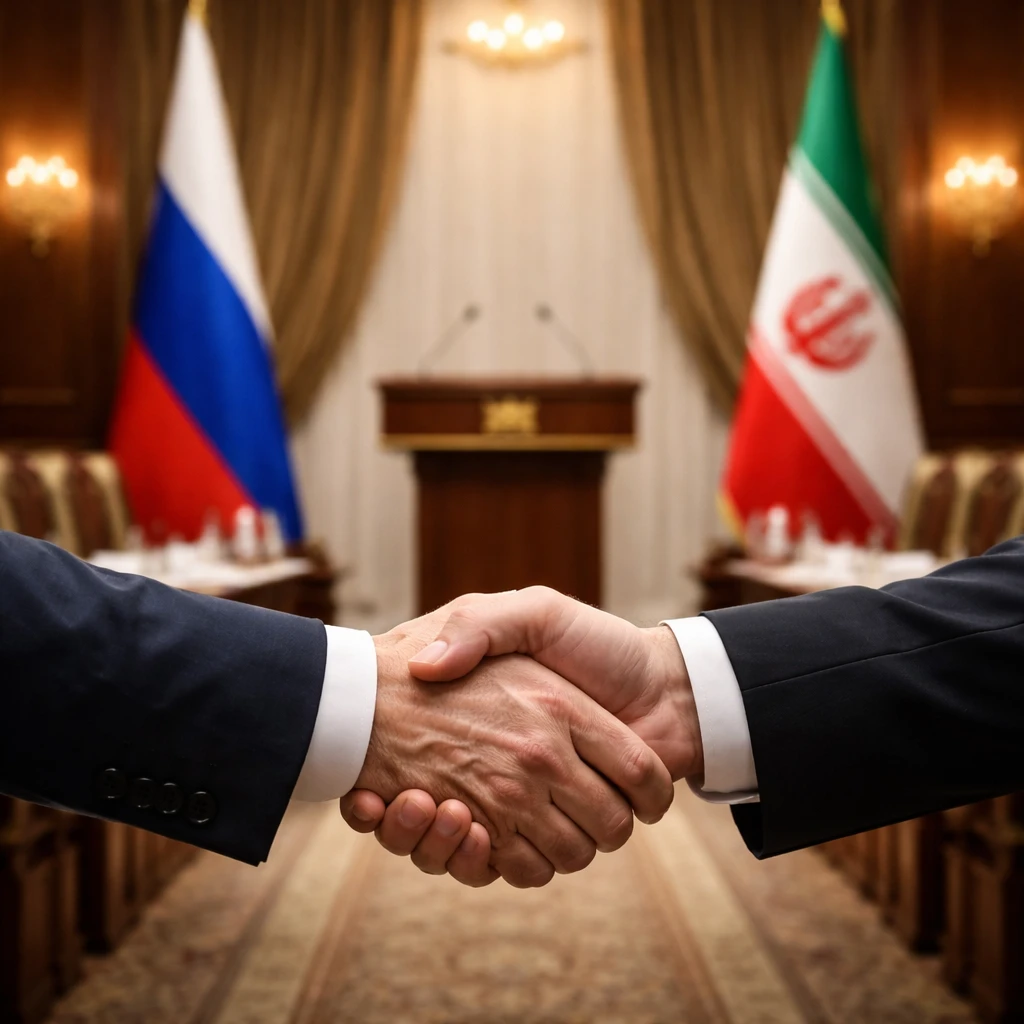
Russian President Vladimir Putin reiterated Moscow's backing for Iran in a Nowruz congratulatory message delivered to Iranian leadership, calling the Kremlin a "loyal friend and reliable partner." The statement is a clear diplomatic overture timed as Tehran navigates a period described as its most severe geopolitical and economic crisis since the 1979 revolution.
Despite the public expression of solidarity, questions remain about the extent of Russia's practical support. Accounts attributed to Iranian sources point to an internal frustration, with some officials saying Russia has given "little real help" amid escalating external pressures. That discrepancy between rhetoric and reported reality has raised concern among observers about the partnership's true depth.
Analysts highlight the importance of this gap for markets and regional stability. If Moscow's assistance remains largely symbolic, Iran could face a reduced capacity to shield its trade routes and logistical networks from disruption. The absence of a robust "northern buffer" - a term used to describe Moscow's potential role in shoring up Iran's access and routes - could leave Tehran more exposed to interruptions in supply chains, with knock-on effects for regional trade and maritime insurance premiums across the Middle East.
The timing of Putin's message is interpreted by some commentators as an attempt to preserve diplomatic influence while avoiding a commitment to the kind of direct military support that Tehran is reported to seek. This reading suggests Moscow is balancing its foreign policy posture to retain leverage without taking on the heightened risks that military intervention could entail.
How the Kremlin manages its domestic priorities alongside the demands of its Middle Eastern partner will shape the durability of the Russo-Iranian relationship. Observers note that both countries are increasingly distanced from Western financial systems, a factor that complicates bilateral assistance and the flow of economic support.
For markets, particularly those sensitive to regional trade and maritime operations, the divergence between Moscow's public assurances and reported practical restraint is a key variable. Continued ambiguity in the partnership may sustain volatility in sectors exposed to Middle East transit routes and insurance markets, while clearer commitments - if they were to materialize - would carry a different set of implications.
Summary: Putin's Nowruz message declared Russia a steadfast partner to Iran, but Iranian reports of limited material aid underscore a potential gap between diplomatic messaging and operational support. The difference carries implications for regional trade stability, insurance premiums and the broader trajectory of Russo-Iranian ties.