
Economy January 28, 2026

Powell Says He Attended Supreme Court Arguments Over Cook Case Because of Its Importance to the Fed

Fed chair calls dispute over attempted removal of governor a defining legal matter for the central bank and cites Volcker precedent

By Maya Rios
Powell Says He Attended Supreme Court Arguments Over Cook Case Because of Its Importance to the Fed

Federal Reserve Chair Jerome Powell said he attended recent Supreme Court arguments tied to President Trump's effort to remove Fed Governor Lisa Cook because of the case's exceptional significance to the U.S. central bank. Powell described the matter as possibly the most important legal case in the Fed's 113-year history and noted that previous chairs have appeared before the court, citing Paul Volcker in the 1980s.

Key Points

  • Jerome Powell attended Supreme Court arguments involving President Trump’s attempt to fire Fed Governor Lisa Cook because he judged the case to be exceptionally important to the Federal Reserve.
  • Powell described the matter as "perhaps the most important legal case in the Fed’s 113 year history," underscoring the institutional significance he attached to the proceedings.
  • He cited precedent for such attendance, noting that Paul Volcker appeared at the Supreme Court in the 1980s and saying it was appropriate for him to attend as well - sectors implicated include the Federal Reserve and financial markets governance.

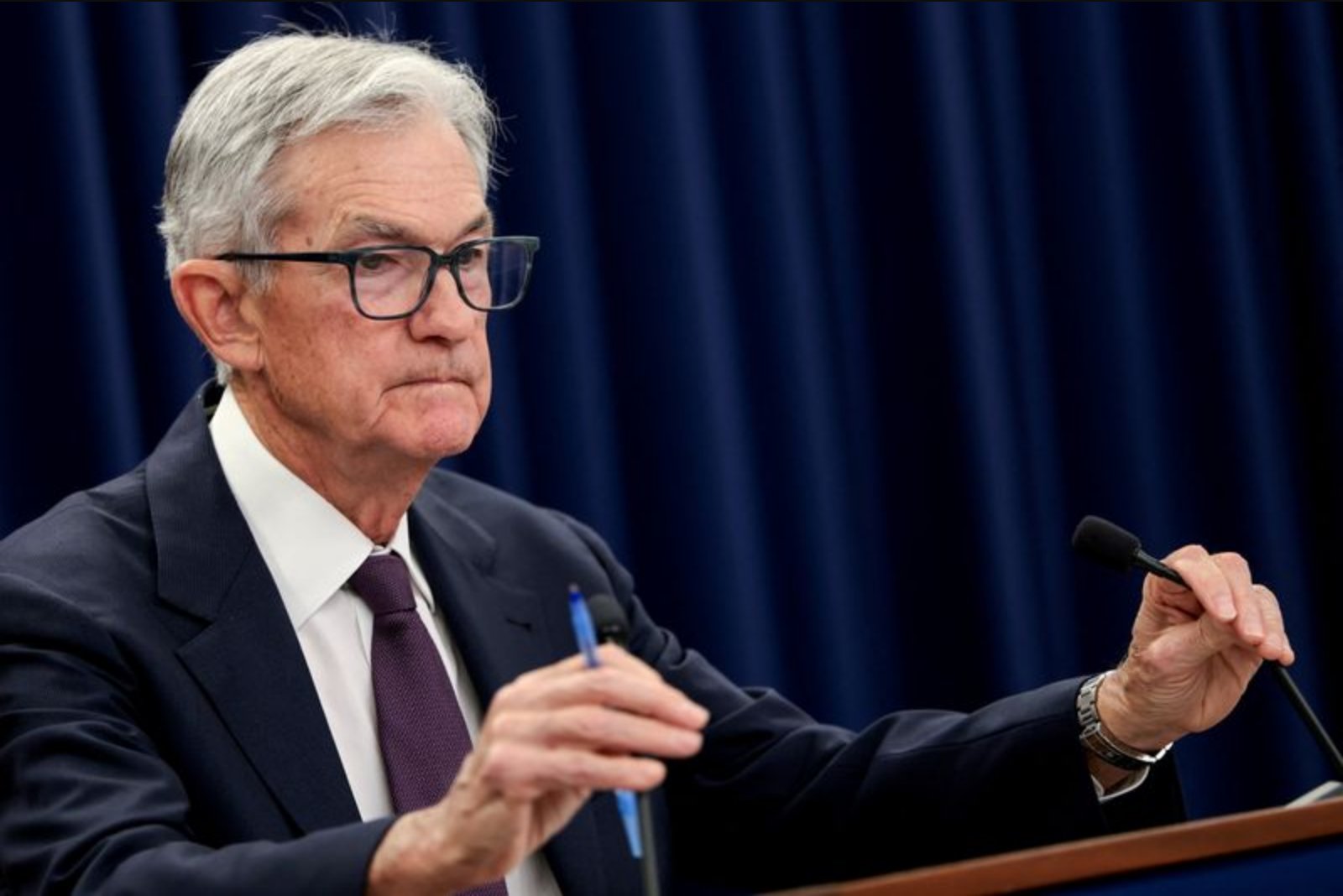
WASHINGTON, Jan 28 - Federal Reserve Chair Jerome Powell said on Wednesday that he attended last week’s arguments before the Supreme Court related to President Donald Trump’s effort to dismiss Fed Governor Lisa Cook because he viewed the case as critically important to the central bank.

At a news conference, Powell was asked why he was present for the proceedings. He replied: "I would say that that case is perhaps the most important legal case in the Fed’s 113 year history. And I, as I thought about it, I thought it might be hard to explain why I didn’t attend it."

Powell further pointed to historical precedent for such attendance. He said Paul Volcker, a former Fed chair, appeared at the Supreme Court in the 1980s, and Powell expressed the view that it was appropriate for him to be there as well.

The issue at the center of the arguments is the presidential effort to remove a sitting governor of the Federal Reserve. Powell framed his decision to attend as tied to the institutional importance of the dispute for the Fed, describing the case in sweeping terms as exceptionally consequential to the central bank’s legal standing.

When explaining his presence at the court, Powell emphasized both the rarity and the gravity of the situation, noting that the circumstances made nonattendance difficult to justify in his judgment. By invoking Volcker’s appearance decades earlier, he placed his presence within a limited set of precedents for Fed chairs engaging directly with the judiciary on matters touching the institution’s governance.

The chair’s comments were delivered publicly at a press event, where reporters questioned him about his reasons for attending the Supreme Court arguments. Powell’s answers focused on the case’s importance to the Federal Reserve and on precedent rather than on further legal or policy details.


Summary

  • Powell attended Supreme Court arguments on the case concerning President Trump’s effort to remove Fed Governor Lisa Cook because he judged the matter to be of exceptional importance to the Federal Reserve.
  • He described the case as potentially the most important legal matter in the Fed’s 113-year history and cited Paul Volcker’s prior Supreme Court appearance as precedent.

Risks

  • The legal challenge over the attempted removal of a Fed governor represents a significant institutional issue for the Federal Reserve, creating uncertainty about governance and legal boundaries - impact on central banking functions.
  • Public and legal scrutiny tied to the case may increase expectations for senior Fed officials to participate in high-profile judicial proceedings, complicating communication and governance - potential effects on market perceptions.
  • The situation highlights uncertainty around norms for Fed leadership engagement with the courts, a source of institutional ambiguity that could affect confidence in central bank governance.

More from Economy

House Prepares Vote to End Brief Partial Shutdown, Final Ballot Expected Tuesday Feb 2, 2026 France’s 2026 Budget Clears Parliament After Concessions, Targets 5% Deficit Feb 2, 2026 Cboe Holds Early Talks to Bring Binary Options Back to Retail Traders Feb 2, 2026 Administration to Build $12 Billion Critical Minerals Reserve to Shield U.S. Manufacturing Feb 2, 2026 Investors Pile Into Gold and Miner ETFs in January as Safety Demand Rises Feb 2, 2026