
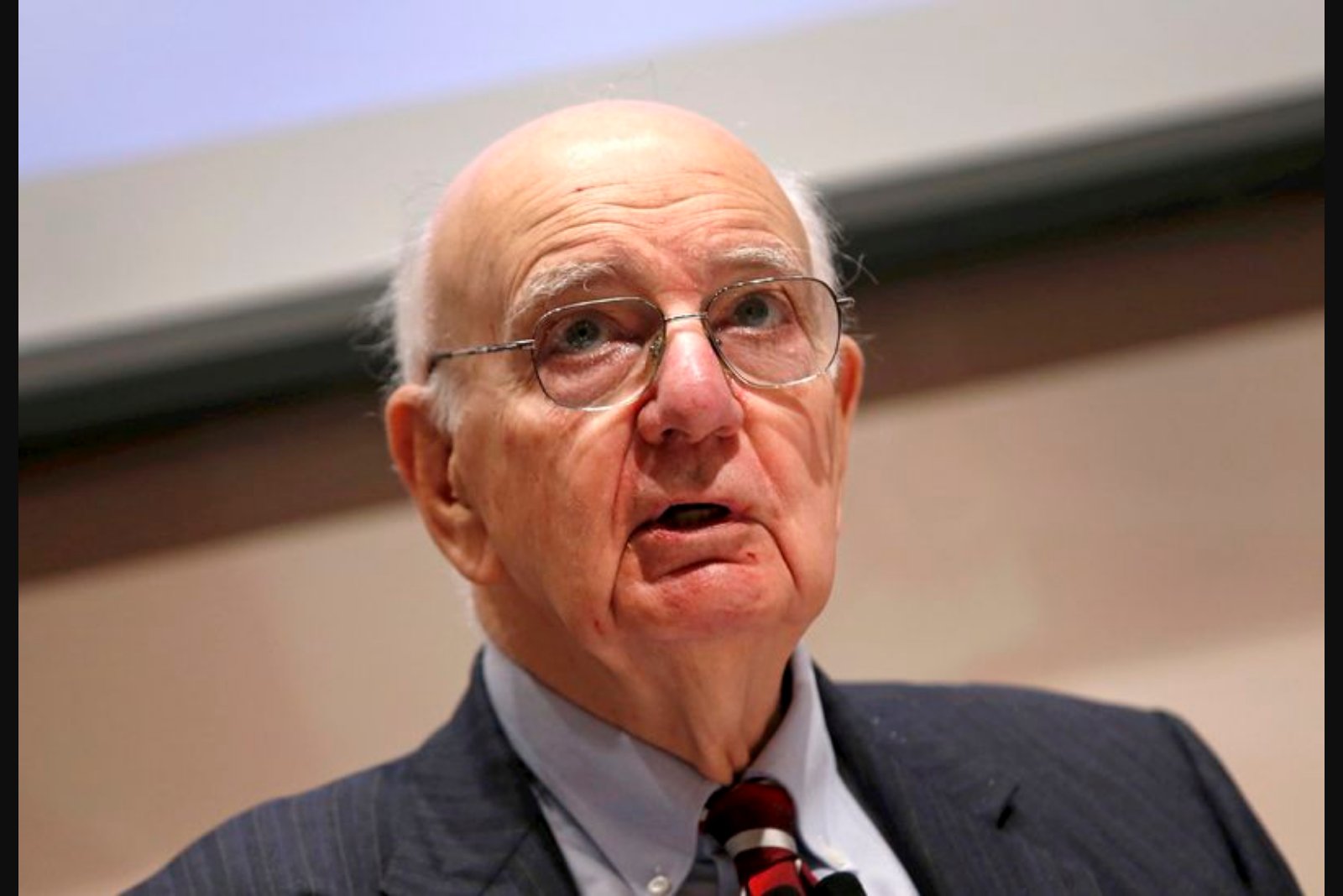
Federal Reserve Chair Jerome Powell used remarks in a taped acceptance of the Paul A. Volcker Public Integrity Award to highlight the former Fed chair’s fortitude in confronting political pressure while battling inflation in the early 1980s. Powell singled out Paul Volcker’s readiness to resist critics as a model for protecting the central bank’s independence.
Powell recalled Volcker’s decision to increase interest rates sharply in the early 1980s. Those moves, Powell noted, triggered a recession but ultimately helped restore price stability to the U.S. economy. Quoting Volcker’s example, Powell said: "His actions remind us that independence and integrity are inseparable - we need independence to do what is right, and we need integrity to use that independence wisely."
The remarks carried contemporary weight. Over the past year Powell has been publicly at odds with the Trump administration as it has pushed for easier monetary policy. President Trump has repeatedly berated Powell for not lowering rates and has sought to replace him with a nominee viewed as more sympathetic to calls for easier policy.
That push has included an effort to remove Fed Governor Lisa Cook over alleged mortgage fraud, a move she is contesting in a case currently before the Supreme Court. Separately, in January the Department of Justice opened a criminal probe into Powell’s handling of renovations to the Fed’s Washington headquarters. Powell has characterized the investigation as an attempt to intimidate him into setting policy aligned with the president’s preferences.
In response to the probe, Powell pledged on Wednesday that he will not leave the central bank until the matter is resolved. That commitment complicates the administration’s timeline for installing a central bank chief more amenable to lowering interest rates. Powell’s leadership term is scheduled to end on May 15, and Fed chairs commonly step down at the conclusion of their terms.
The administration has named former Fed governor Kevin Warsh as its choice to succeed Powell. A top Republican lawmaker has said he will place a hold on that nomination as long as the DOJ probe remains open, creating an additional political obstacle to any rapid leadership change at the Fed.
Powell closed his remarks by framing the tensions in ethical terms. "Ultimately, each of us will want to look back at the arc of our lives and know that we did what was the right thing," he said. "As Paul Volcker showed throughout his career, in the end, our integrity is all we have."
Context and implications
Powell’s invocation of Volcker underscores the role that institutional independence and personal integrity play in central banking. The comments come amid active political pressure on the Fed, legal challenges to members of the central bank’s leadership, and a criminal inquiry that at least one top lawmaker says should affect consideration of a successor nomination.