
Overview
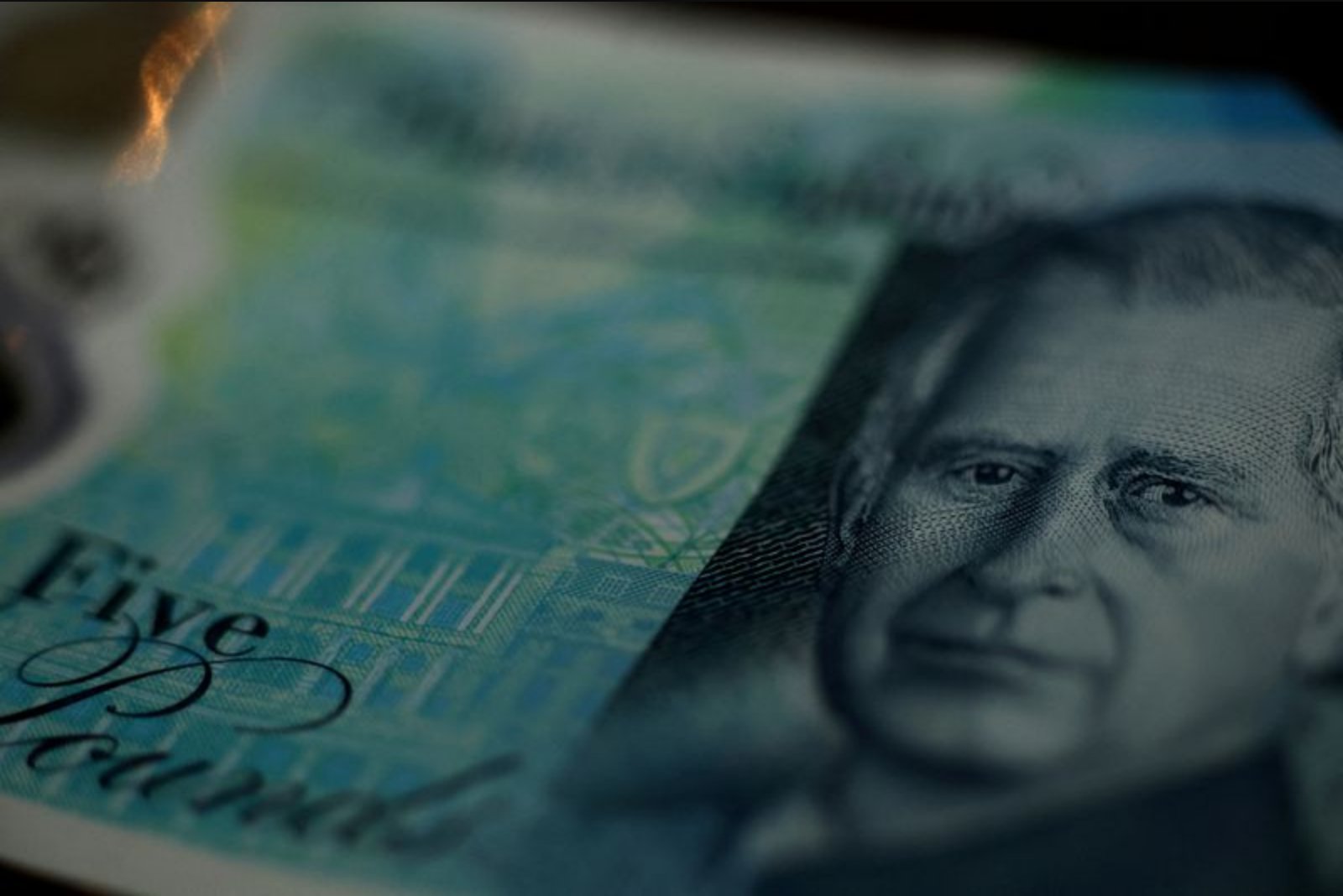
The pound traded with little net change on Tuesday as market attention turned toward the Bank of England’s interest rate announcement due on Thursday. Sterling was last reported flat against the dollar at $1.3672, having climbed roughly 1.4% so far this year after a run of stronger-than-expected UK economic releases.
Monetary policy expectations
Market participants broadly expect the BoE to maintain its bank rate at 3.75% on Thursday, with forecasts centring on one or two reductions in borrowing costs later in the year. The central bank projects that inflation, which rose more than anticipated to 3.4% in December, will fall back to its 2% target by about the middle of the year. Commenting on the timing of cuts, Lee Hardman, senior currency analyst at MUFG, said: "Markets now think the Bank of England will wait until probably the May policy meeting before cutting rates further." He added: "I think that delayed expectations for the Bank of England rate cuts is helping the pound to strengthen."
Economic data and market drivers
There is little in the way of major UK data before a cluster of growth, employment and inflation figures expected in mid- to late February. In the intervening period, recent releases have provided support for sterling. These include stronger-than-expected gross domestic product for November, a recovery in retail sales in December, and an uptick in business activity in January.
The pound hit a more-than four-year peak of $1.3867 in late January, a move that was aided by a softer dollar driven by trade uncertainty and expectations for additional U.S. rate reductions. More recently, however, the dollar has found support following U.S. President Donald Trump’s decision to pick Kevin Warsh as the next Federal Reserve chief - a choice traders view as making large rate cuts less likely.
Cross-currency movements
The euro was last quoted flat against sterling at 86.29 pence and has eased roughly 1% versus the pound so far this year. Overall, currency markets remain sensitive to shifts in central bank expectations and to the sparse UK data calendar before the next tranche of official releases.
Key points
- BoE is expected to hold rates at 3.75% on Thursday, with markets pricing one or two cuts later in the year.
- Sterling has strengthened year-to-date on stronger-than-expected GDP, retail sales and business activity readings.
- Dollar support rose after the U.S. President picked Kevin Warsh as the next Federal Reserve chief; the euro has slipped about 1% against sterling this year.
Risks and uncertainties
- Timing of BoE rate cuts remains uncertain - the market debate over a May move versus earlier easing could drive volatility in FX and fixed income.
- Inflation running at 3.4% in December, the highest among G7 nations, presents upside risk to monetary policy expectations until it moves toward the 2% target.
- A light UK economic calendar through early February means limited fresh data to confirm recent momentum, increasing the potential for market swings on any new information.