
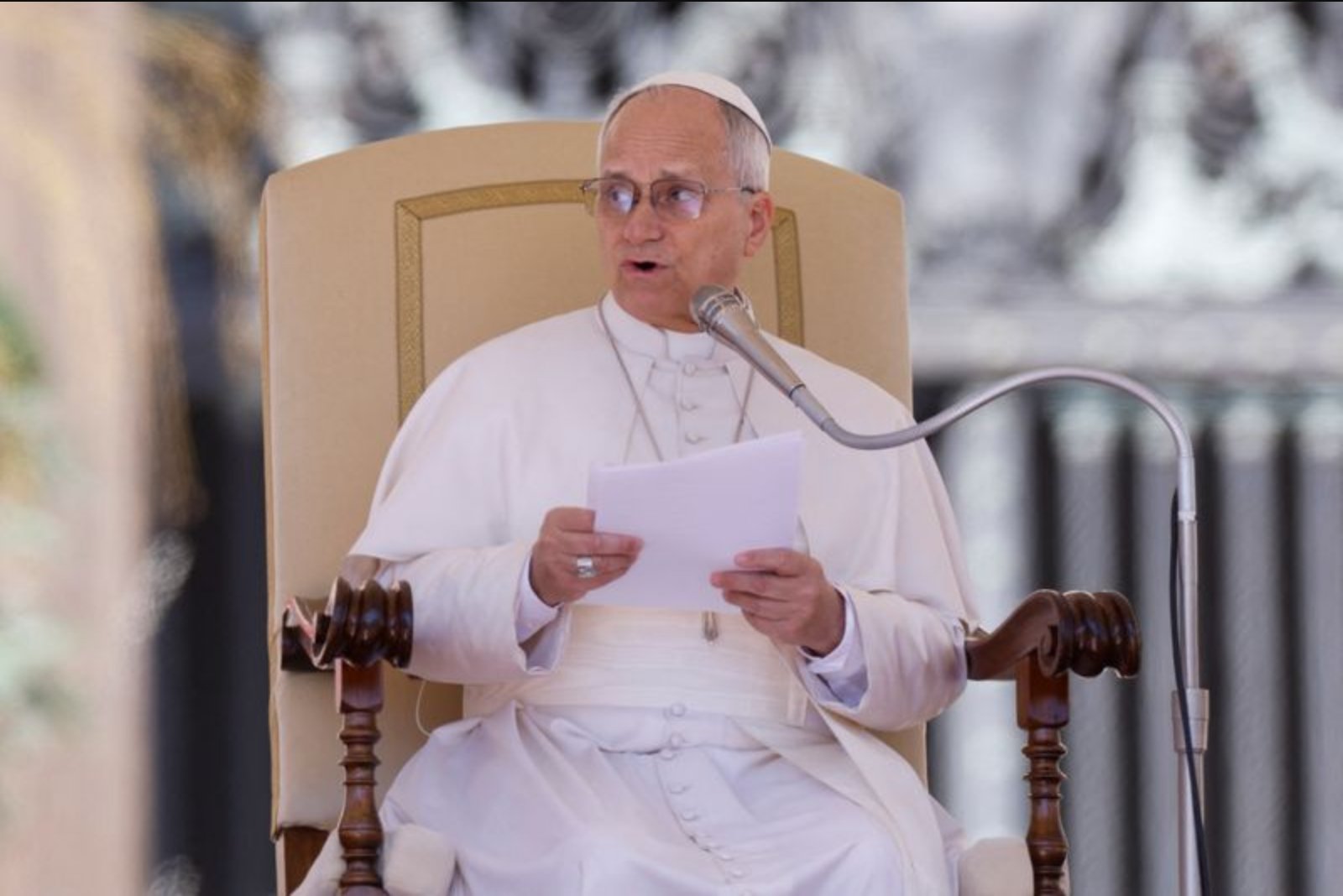
Pope Leo said on April 8 that he welcomed the declaration of an immediate two-week truce in the conflict involving Iran, calling the development a source of satisfaction and pressing for continued diplomatic engagement to bring the fighting to a definitive close.
Speaking at his regular weekly audience in Vatican City, the pope emphasized that "only through a return to negotiation can an end to the war be achieved," framing the ceasefire as a first step that needs to be followed by sustained talks. He described the announcement of an "immediate two-week truce" as welcome in light of "these past hours of great tension for the Middle East and for the whole world."
Earlier, the pontiff had responded directly to remarks attributed to U.S. President Donald Trump. After a reported threat from the U.S. president that "a whole civilization will die tonight" if Iran failed to meet U.S. demands for a truce, the pope told journalists that such a statement was "truly unacceptable." The pontiff's words signal a notable public rebuke; it is uncommon for him to address an individual world leader so directly.
Pope Leo, identified in the statement as the first U.S. pope, has in recent weeks grown more vocal in his criticism of the war, according to the account. He leads an estimated 1.4 billion Catholics worldwide, and his comments drew attention because he combined praise for a ceasefire with an appeal for the diplomatic process that could end hostilities altogether.
The pope's remarks linked two themes: a welcome reaction to the immediate truce and a persistent call for negotiations as the route to a lasting cessation of conflict. While the two-week pause was characterized as a positive development, the pope's insistence on returning to formal talks underscored that he views a temporary halt in fighting as insufficient on its own to secure a full resolution.
Observers should note that the article does not provide further details about the terms of the ceasefire, the parties involved in the negotiations, or subsequent steps planned by international actors. The pope's condemnation of the reported presidential threat and his public encouragement of dialogue stand as the central elements of the account provided.