
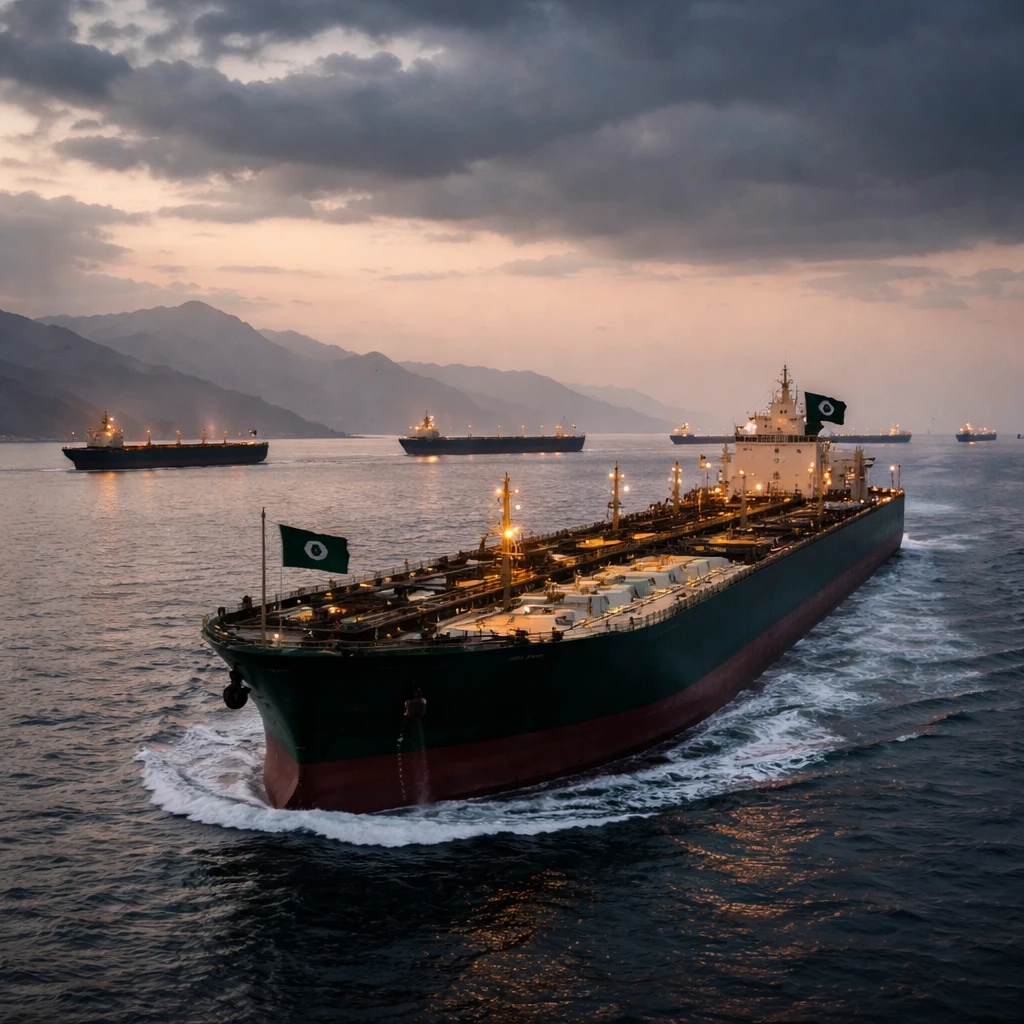
Pakistan is exploring mechanisms to utilize an arrangement with Iran that permits 20 Pakistan-flagged vessels to pass through the Strait of Hormuz, including the potential re-flagging of ships owned or operated by other parties, according to statements from Pakistani officials.
Foreign Minister Ishaq Dar posted on X that, following talks between Tehran and Islamabad, Iran had allowed Pakistan to take 20 vessels "under the Pakistani flag" through the Hormuz waterway. The same arrangement was referenced by US President Donald Trump in a newspaper interview, according to media reports.
Pakistan faces a practical constraint: it does not currently have 20 ships stationed in the Persian Gulf. The last vessels belonging to Pakistan National Shipping Corp. have already left the gulf, leaving Islamabad short of the tonnage necessary to immediately dispatch 20 Pakistan-flagged transits, the reporting said.
To secure critical shipments of fertilizer, crude or other supplies, Pakistani authorities are considering engaging other tankers and, if needed, re-flagging them so they would sail under Pakistan's registry and thereby meet the terms of the Iran agreement. Officials cautioned that no final decision has been made and discussions are ongoing.
Under the terms that Pakistani officials have described, Iran would allow two Pakistan-flagged ships to cross the Strait of Hormuz each day. Separately, Kuwait indicated it would support vessels flying the Pakistan flag by supplying diesel and fuel.
The Strait of Hormuz has been effectively closed to most tanker traffic since the war in the Middle East began a month ago, contributing to the urgency for countries with cargoes and trapped tankers to seek bilateral arrangements. Pakistan's agreement with Iran makes it the latest Asian government to negotiate a direct deal to access stranded shipments, following similar arrangements pursued by Malaysia, Thailand and India.
Pakistan's discussions encompass operational and logistical questions about how to create the necessary affiliation between ships and the Pakistani registry, whether by repositioning its own vessels or by re-flagging third-party tonnage. The government has not announced a timetable or reached a conclusion on which route it will take.
Context and next steps
Officials in Islamabad continue to assess fleet availability in the region and the legal and administrative steps required for any re-flagging. The situation remains fluid, with the arrangement contingent on both technical execution and the ongoing diplomatic understanding between Tehran and Islamabad.