
Economy May 10, 2026 10:18 AM

Pakistan Seeks Iranian Permission for Limited Qatari LNG Transit Through Hormuz

Diplomatic talks aim to route a small number of Qatari cargoes via a Tehran-approved northern corridor to relieve urgent fuel shortages

By Priya Menon

Pakistan has engaged in discussions with Iranian officials to secure permission for a limited number of Qatari liquefied natural gas shipments to transit the Strait of Hormuz, using a northern route close to the Iranian coast. The move responds to immediate domestic demand after Islamabad declined higher-priced spot purchases and follows recent voyages by tankers that have used the strait since the regional conflict began.

Pakistan Seeks Iranian Permission for Limited Qatari LNG Transit Through Hormuz

Key Points

  • Pakistan has held talks with Iran to secure permission for a limited number of Qatari LNG cargoes to transit the Strait of Hormuz, citing people with knowledge of the discussions - energy and diplomatic sectors affected.
  • A Qatari tanker, Al Kharaitiyat, left the strait and was in the Gulf of Oman after loading at Ras Laffan; ship-tracking data shows the vessel listed Pakistan as its next destination and used a Tehran-approved northern route hugging the Iranian coast - shipping and logistics impacted.
  • Pakistan recently chose not to purchase higher-priced spot-market LNG, instead seeking Middle East supplies; the move is intended to address urgent domestic demand amid strain on global LNG flows.

Pakistan has held talks with Iranian authorities to obtain approval for a small number of Qatari liquefied natural gas (LNG) cargoes to pass through the Strait of Hormuz, according to people familiar with the discussions.

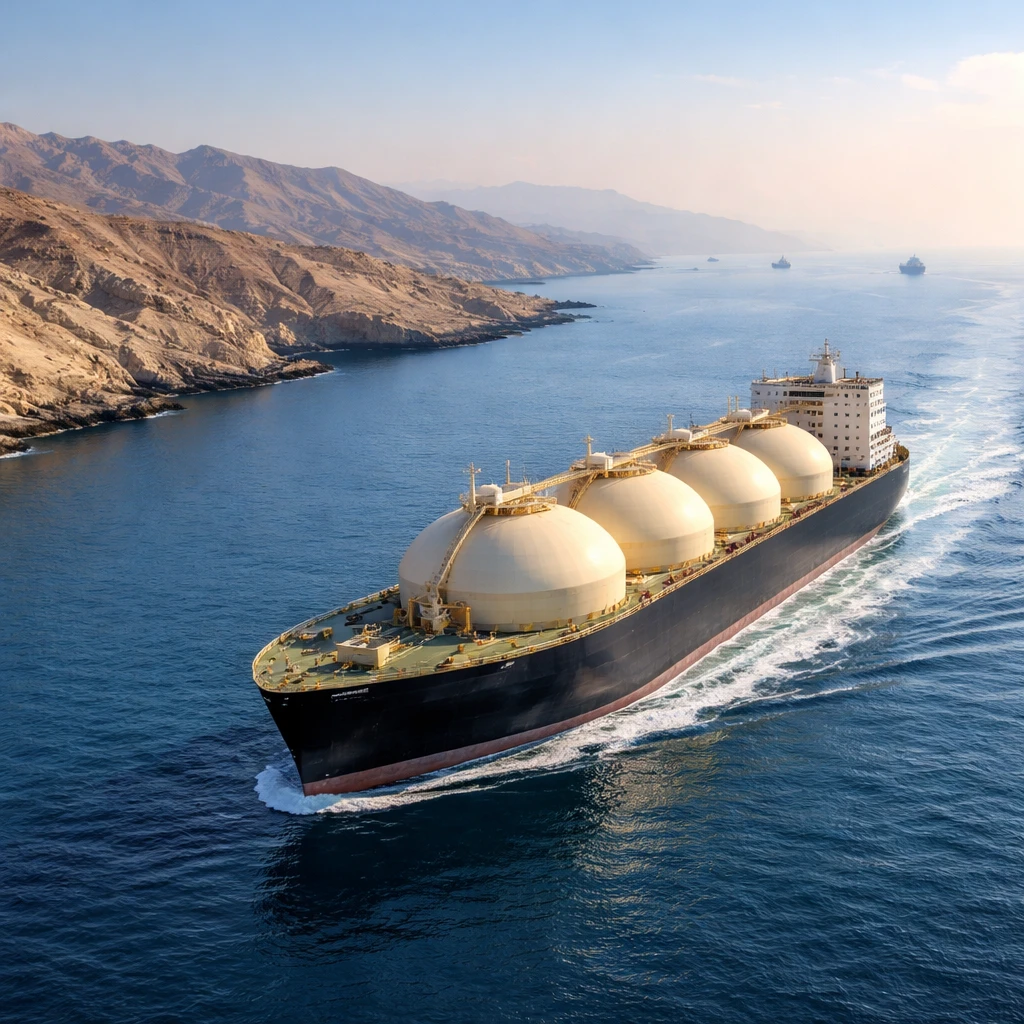
Ship-tracking records show the Qatari tanker Al Kharaitiyat left the strait and was in the Gulf of Oman on Sunday after loading at Qatar's Ras Laffan export terminal earlier this month. The vessel was recorded listing Pakistan as its next destination and appeared to have taken a northern corridor close to the Iranian coastline that had received Tehran's approval, the tracking data indicates.

Those tracking the situation said the shipment forms part of private negotiations between officials in Islamabad and Tehran aimed at routing additional Qatari LNG cargoes through the strait to meet pressing domestic demand. Pakistan has recently refrained from buying more expensive spot-market LNG, instead pursuing the prospect of securing supplies from suppliers in the Middle East.

The effective closure of the Strait of Hormuz since the conflict erupted at the end of February has reduced global LNG shipments, contributing to higher prices and shortages across parts of Asia. Qatar, which accounted for nearly a fifth of global LNG output last year, has been unable to move shipments out of the Persian Gulf since the disruption began.

The passage of the Al Kharaitiyat follows at least two tankers that loaded at an Abu Dhabi National Oil Co. export facility and have traversed the strait since the conflict started. Earlier attempts to dispatch Qatari shipments through Hormuz reportedly ended when tankers turned back.


Context and implications

Pakistan's discussions with Iran reflect a tactical effort to alleviate urgent energy shortages without resorting to the spot market. Routing a limited number of cargoes via a Tehran-approved northern pathway could provide near-term relief, but the arrangement appears constrained to a small number of shipments and depends on continued cooperation from Iranian authorities.

Ship movements and private negotiations remain the primary visible indicators of whether Middle Eastern suppliers can partially bypass broader restrictions on Gulf exports imposed by the conflict, while regional exporters and importers monitor each successful transit closely.

Risks

  • The arrangement is limited to a small number of cargoes and depends on sustained Iranian approval, creating uncertainty for Pakistan's near-term energy supply - impacts energy and utility sectors.
  • Ongoing effective closure of the Strait of Hormuz since the end of February continues to restrict global LNG shipments, pushing prices higher and exacerbating shortages across Asia - affects commodity markets and import-dependent economies.
  • Previous attempts to send Qatari shipments through Hormuz ended with tankers turning back, highlighting operational and security uncertainties for shipping firms and exporters.

More from Economy

USDA Bans Ten Lenders from Rural Development Program Over Compliance Issues May 12, 2026 Trump Says He Will Discuss Iran with Xi in China Visit, But Says He Doesn’t Need Beijing’s Help May 12, 2026 U.S. Posts Reduced $215 Billion April Surplus as Refunds and Outlays Rise May 12, 2026 Bundesbank's Nagel Says Iran Conflict Could Force ECB to Raise Rates May 12, 2026 EIA Sees U.S. Electricity Use Climbing to New Highs Through 2027 May 12, 2026