
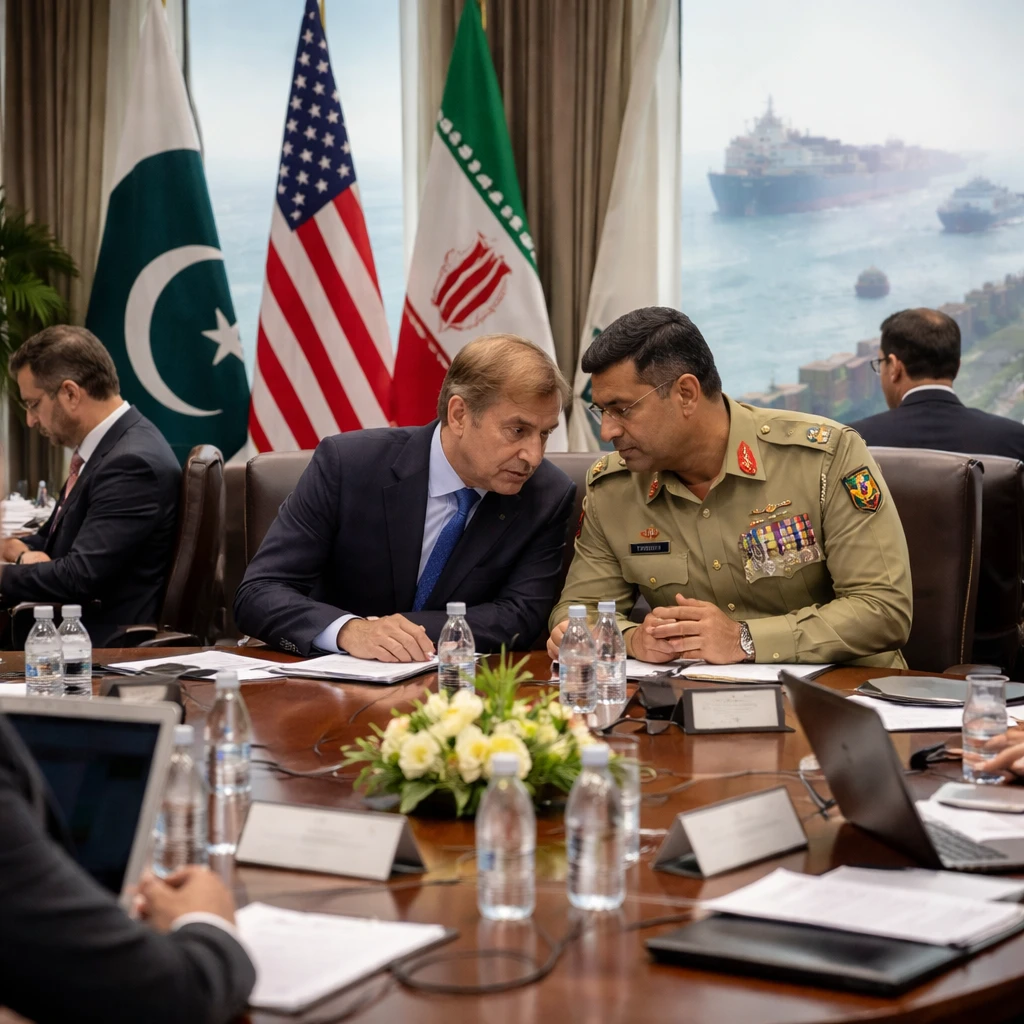
Pakistan has shifted from relative diplomatic isolation to a prominent intermediary in the tensions between the United States and Iran, positioning itself as the primary channel for negotiations between the Trump administration and Tehran.
Under joint direction from Prime Minister Shehbaz Sharif and Army Chief Asim Munir, Islamabad has proposed to host senior-level peace discussions - an offer that has gained public backing from President Trump. The development represents a marked reversal in Pakistan's relationship with Washington, restoring a closer alignment that was secured through a mix of discreet communications and strategic economic ties.
Observers say the rapprochement has been reinforced by sustained engagement with the U.S. President's inner circle. One notable element cited by analysts is a recent cryptocurrency agreement between a firm led by U.S. Middle East envoy Steve Witkoff and the Pakistani government, a pact overseen by General Munir. Alongside arrangements involving digital assets, the two countries are expanding cooperation in areas described as critical minerals and counterterrorism.
This economic and security deepening has, according to sources, given Pakistan the leverage to pass a 15-point peace proposal from the U.S. to Iranian leadership. That role has assumed added importance while the Strait of Hormuz remains effectively closed to most commercial shipping, complicating conventional diplomatic channels.
The stakes for Islamabad are both internal and regional. In the wake of the death of Iran's Supreme Leader, Pakistan faces pressure from its sizable Shia community, and it is bound by mutual defense obligations to Saudi Arabia. Taking on the mediator mantle is presented domestically as a way to reduce a conflict that endangers Pakistan's border security and its energy supplies.
Deputy Prime Minister Ishaq Dar has said that, as a goodwill measure, Tehran has already consented to allow 20 Pakistani-flagged vessels to traverse the Strait of Hormuz. That concession signals a degree of cooperation from Iran amid broader disagreement over the U.S. proposal.
Tehran initially rejected Washington's plan, opting instead to promote its own five-point proposal. Despite that early rebuff, momentum is reported to be building toward a multi-nation summit scheduled to take place in Islamabad in the coming week. The chance of producing substantive, binding agreements during those talks remains uncertain.
Nevertheless, the diplomatic shift has altered the region's risk calculus. Pakistan's elevated role may function as a diplomatic buffer that limits the potential for escalation into a wider regional war. Market participants, particularly investors focused on energy and maritime sectors, are monitoring the upcoming summit closely for any indications that hostilities could be dialed down, which in turn could help stabilize energy prices and maritime insurance premiums.
The outcome of the planned Islamabad summit and the broader mediation effort remains unclear, but Pakistan's repositioning marks a notable development in the current diplomatic landscape between the United States and Iran.