
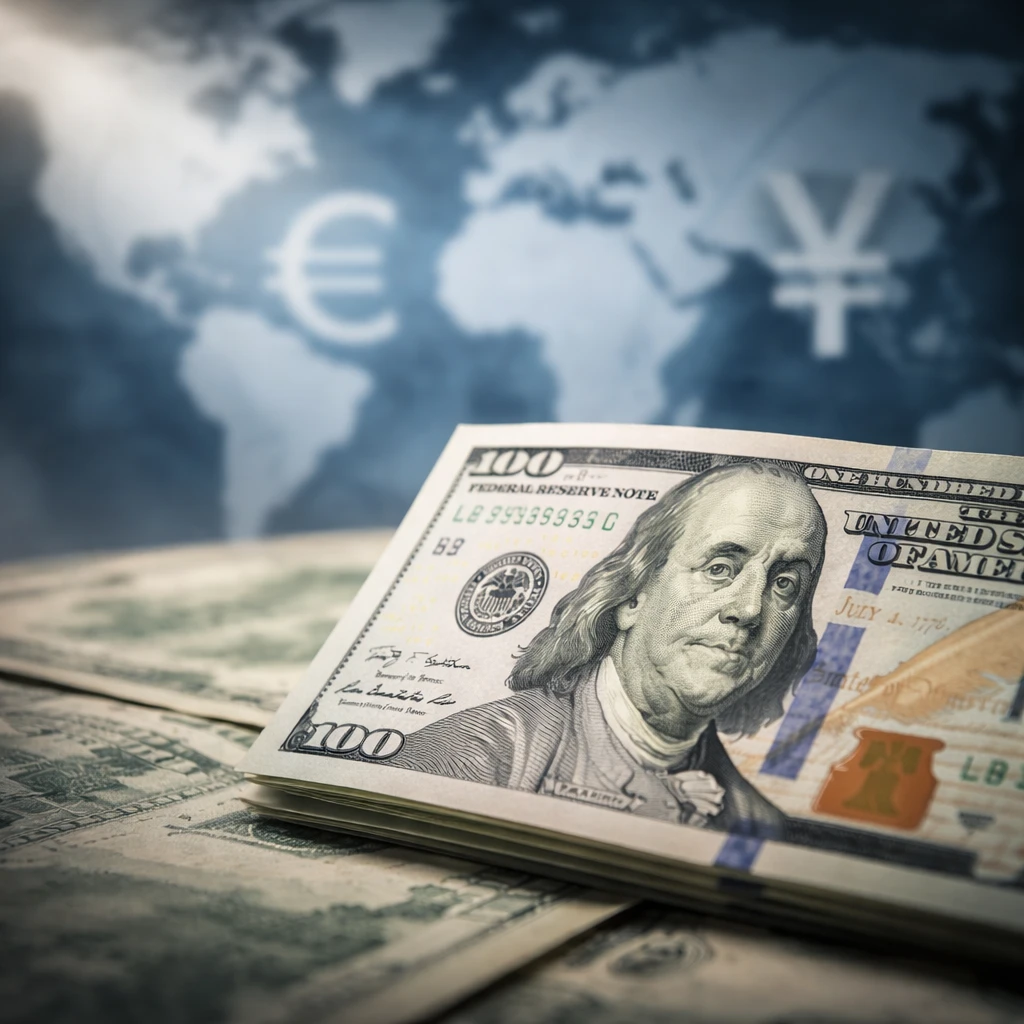
A year on from U.S. President Donald Trump’s sweeping 'Liberation Day' tariffs, the U.S. dollar has returned to firmer ground as markets seek safety amid geopolitical strains in the Middle East. The currency rose about 1.6% in the first three months of 2026, marking its best quarter since late 2024 and reflecting both increased demand for cash and the United States' position as an energy exporter.
The rebound stands in stark contrast to the reaction a year earlier, when the announcement of tariffs triggered a pronounced slide in the dollar. At that time, investors responded not only to elevated tariff uncertainty but also to concerns raised by Mr. Trump's public criticisms of the Federal Reserve and a perceived distancing from traditional allies and multilateral institutions. Those pressures contributed to the dollar index falling almost 10% over the previous year - its weakest annual showing since 2017.
A live dashboard that tracks the greenback's performance provides a snapshot of where the currency sits today and how it might move going forward. Below are the principal elements shaping that assessment.
Higher now, but for how long?
While the dollar has recovered in early 2026, analysts caution that it still faces longer-term downward pressures. Questions remain about the dollar's dominance in international trade and finance, with gradual shifts in global preferences for reserve holdings and currency use keeping the currency's future path uncertain.
Foreign exchange reserves
Central bank reserve compositions are being watched closely for signs of a broader move away from the dollar. The latest IMF COFER data for the final quarter of 2025 show a very gradual decline in the dollar's share of global foreign exchange reserves. That share has edged lower in recent years and observers point to currencies such as the euro and the yuan as beneficiaries of the dollar's relative weakening.
Despite these small shifts, the dollar is not expected to lose its position as the world's top reserve currency anytime soon, analysts say. The assessment rests on the United States' continued dominance across the global economy, trade flows, and debt markets. Recent movements in reserve composition have been too modest to meaningfully erode the dollar's overall role.
Foreign investment
The stock of U.S. assets held by foreign investors continues to far exceed the value of assets U.S. investors maintain abroad. That long-standing inflow of capital into the United States has helped underpin the dollar's strength. Market participants note, however, that a slowdown in those investment flows could exert downward pressure on the currency over time.
In sum, the dollar's recovery in early 2026 has been underpinned by short-term drivers - notably safe-haven demand and the U.S. energy position - but structural questions around reserve currency composition and cross-border investment flows keep the longer-run outlook less certain.