
March 30 - Asian equity markets opened sharply lower as Brent crude shot above $115 a barrel, extending a dramatic rally that has left the benchmark roughly 59% higher for March - a rise the market notes would be the largest monthly jump on record, eclipsing even the move seen during the 1990 Iraq invasion of Kuwait.
Markets have been rattled by a steady stream of adverse headlines. Pakistan has been reported to be attempting to host peace talks, but potential U.S. and Iranian participants appear to have shown reluctance to attend. Meanwhile, attacks have continued across the Gulf and expanded southward when Yemen's Houthi forces launched strikes on Israel. Analysts warn that development is concerning because the Houthis could try to disrupt shipping through the Bab el-Mandeb in the Red Sea - the other principal chokepoint for Middle Eastern oil trade alongside the Strait of Hormuz.
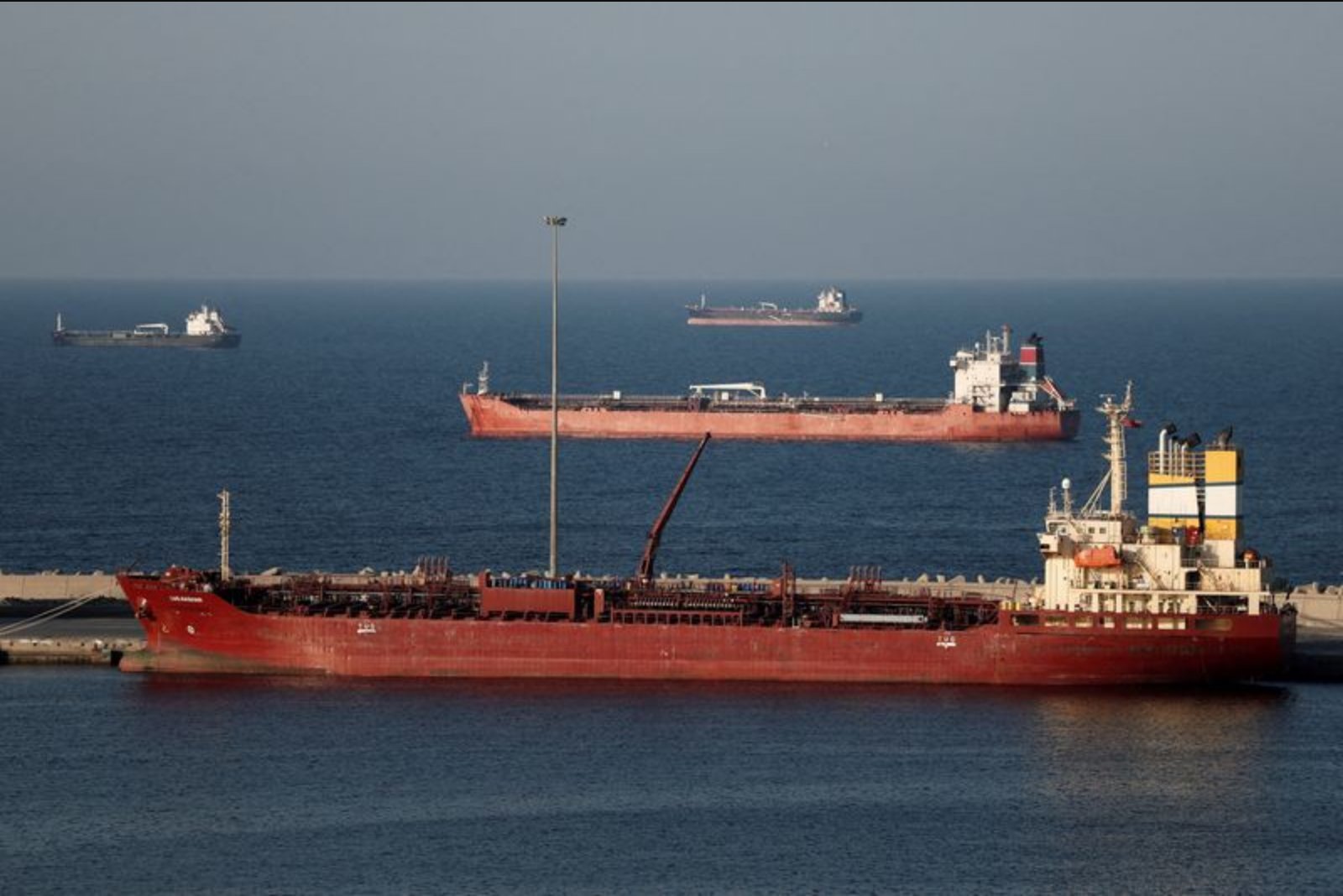
On the Strait of Hormuz itself, comments attributed to former President Trump to the Financial Times said Iran had agreed to permit another 20 "big boats" through, a concession that was read as tacit recognition of Iran's control over the waterway. At the same time, he was quoted saying he wants to "take the oil in Iran" and suggested U.S. forces might seize Kharg Island in the Persian Gulf, which is Iran's principal oil export terminal. He also said that talks with Iran were taking place both directly and indirectly, and that they were "going extremely well" but might or might not yield a deal soon.
Reports of a sizable U.S. military presence continue to circulate, with more than 50,000 troops said to be in the region, including an increase in special forces. The combined picture - ongoing attacks, potential attempts to limit shipping through alternate routes, and a growing military footprint - points to a conflict that could persist and carry elevated risks of escalation. Market participants note that such dynamics tend to cause more damage along the supply chain and extend the time needed for flows to normalise once, if, the Strait re-opens.
These geopolitical pressures are already reflected in futures pricing. Brent futures are trading above $100 per barrel through July, while December contracts are around $85 a barrel. Traders and economists warn this trajectory is inflationary and will be visible in upcoming European data - specifically the preliminary German consumer price index for March scheduled later Monday and the EU CPI figure due on Tuesday.
In policy circles the jump in energy prices is sharpening debate. Officials considered hawkish at the European Central Bank are being cited as pushing for a rate increase, and market-derived probabilities put the chance of an April ECB move at about 58%. On the other side of the Atlantic, futures have largely abandoned the expectation of Federal Reserve easing this year. Fed Chair Jerome Powell is slated to speak at a moderated event at Harvard later in the day, an appearance market participants will watch for clues on U.S. monetary direction.
The nomination of Kevin Warsh as a potential replacement for Powell is also likely to be in focus. The Senate Banking Committee has been reported to plan a hearing on Warsh's nomination as soon as the week of April 13.
Key developments that could influence markets on Monday include:
- German preliminary CPI for March
- EU economic confidence for March
- Dallas Fed March survey
- Federal Reserve Board Chair Jerome Powell participating in a moderated discussion, with Federal Reserve Bank of New York President John Williams in conversation
- G7 finance and energy ministers, as well as central bankers, meeting virtually
The intensifying combination of higher oil prices, regional military activity and political rhetoric is reinforcing market expectations of persistently tight energy markets and upward pressure on inflation, which in turn is feeding into central bank pricing and equity market sentiment.