
Overview
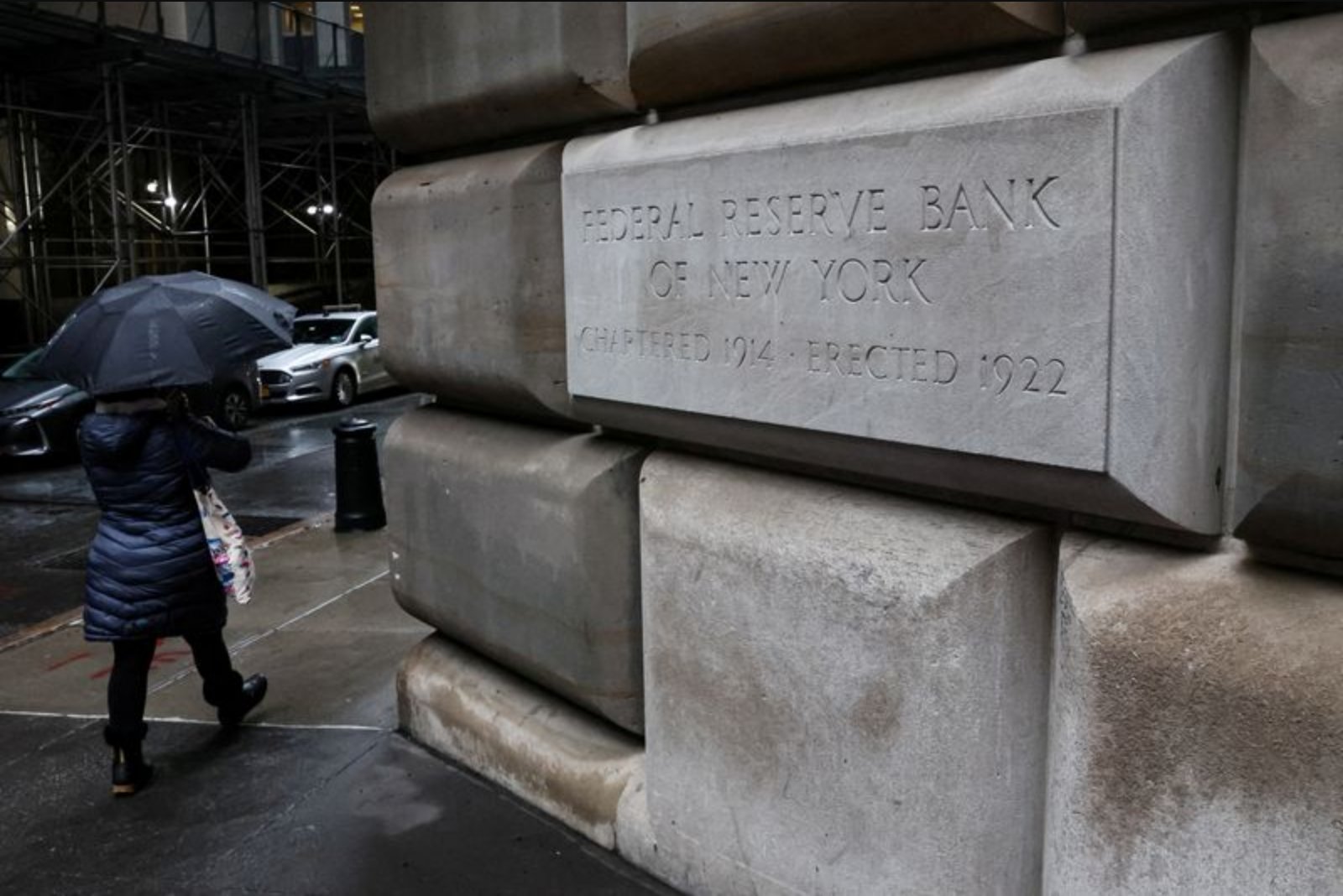
The Federal Reserve Bank of New York's latest Survey of Consumer Expectations, fielded February 2-28 and released Monday, recorded only small shifts in Americans' outlook for inflation and labor market conditions in February.
Inflation expectations
The survey found the expected level of inflation one year from now eased to 3% from 3.1% in January. Projections for inflation three and five years out remained unchanged at 3%. Because the survey window ended February 28, it does not capture the public's reaction to the more recent jump in oil prices. The report notes that those price moves are the result of President Donald Trump's war on Iran, which has massively disrupted global energy supplies.
Survey analysts suggested that the sharp increases in energy costs seen so far are almost certain to push up already elevated overall inflation and could shift public sentiment toward a less benign outlook for price pressures in the years ahead. That shift in expectations would complicate the Federal Reserve's task of returning inflation to its 2% target, since officials view where price pressures are expected to go as an important determinant of where they stand today.
Labor market and credit conditions
On the hiring front, respondents signaled relative calm in February. In a labor market that respondents overall judged to be losing momentum, the survey showed people expected a lower unemployment rate in the future and perceived a lower chance of losing their job compared with January.
At the same time, respondents said that finding new work would be harder than they had thought at the start of the year, indicating some tension between expectations of lower unemployment and concerns about ease of job transitions. The survey also reported that respondents felt credit was harder to obtain in February compared with January, though they expected credit access would improve in the future.
Household finances painted a mixed picture: respondents were more upbeat about their current financial situation in February than in the prior month, while their views about the future trajectory of their finances remained largely unchanged.
Near-term information flow and outside analysis
Market observers and policymakers will be watching the University of Michigan's consumer sentiment report due Friday for a more up-to-date read on how households are incorporating the recent energy price surge into their inflation expectations.
In a related note, Deutsche Bank economists said that U.S. oil production can blunt the impact of global price surges. They added, "inflation has been too high for too long, and the latest data calls into question how much disinflation can reasonably be expected, especially if there are increases in measures of inflation expectations." That assessment underscores the risk that shocks to energy markets could feed into longer-term inflation expectations and complicate policy choices.
What the survey conveys
Taken together, the New York Fed's February survey paints a picture of relative calm in consumer expectations just before a major energy shock. One-year inflation expectations dipped modestly while longer-term expectations held steady at 3%. Households reported small improvements in current finances and signaled a softer hiring outlook in some respects, even as they expected future unemployment to be lower and anticipated easier credit access down the line.
Because the survey's timing predates the recent surge in oil prices, its findings provide a baseline against which future sentiment shifts will be measured. If households revise their inflation outlook upward in response to the energy disruption, that could make the environment facing the Fed more challenging as it seeks to reduce inflation toward the 2% objective.
Data and methodology note
The Survey of Consumer Expectations covered the period February 2-28 and was released by the Federal Reserve Bank of New York on Monday. The survey collected households' views on expected inflation at one, three and five-year horizons, as well as expectations about unemployment, job-finding prospects, credit access and finances.