
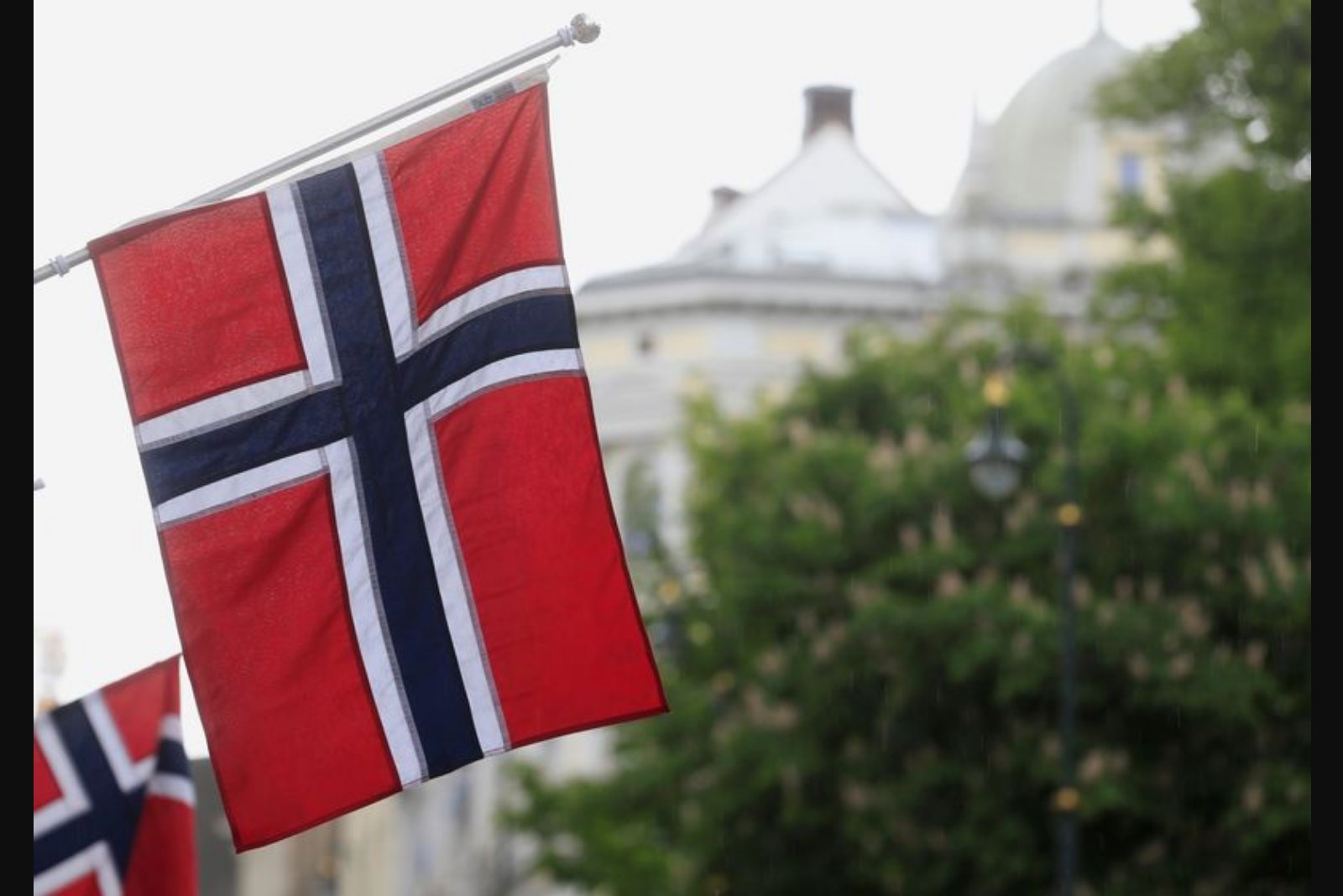
Norway's Labour Party government announced a downward revision to its non-oil GDP forecast for 2026 on Monday as it started work on next year’s fiscal plan. Officials now expect non-oil gross domestic product - a primary gauge of domestic economic activity excluding petroleum-related output - to expand by 1.8% in 2026, revised down from a 2.1% projection published in October.
At the same time, the government nudged its estimate for 2027 slightly upward, forecasting growth of 1.9% for that year compared with the prior forecast of 1.8%.
Commenting on international risks, Finance Minister Jens Stoltenberg pointed to the war in the Middle East as a factor that raises uncertainty for the global economy and - by extension - for Norway. "The impact on the Norwegian economy depends on how long and extensive the war is, but reduced global growth will affect Norwegian exports," Stoltenberg said at a press briefing.
Stoltenberg underlined the dual channels through which the conflict could influence Norway's economic position. He noted that "Higher oil and gas prices will provide increased income for Norway," while also warning that "a potential downturn in the international financial markets will reduce the value of the sovereign wealth fund."
The government, which does not command a majority in parliament, said it will table its spending plan for 2027 in October. The timing reflects the routine budget cycle as well as the administration's need to build support for its proposals in a minority setting.
What this means
- Policymakers have moderated near-term expectations for non-oil activity, while maintaining a slightly stronger outlook for 2027.
- Energy price movements and global financial market performance are identified as key variables for Norway's fiscal and macroeconomic prospects.
- The minority government will present its full 2027 fiscal plan in October, which will incorporate these revised projections.