
New Zealand experienced an uptick in its annual inflation rate during the fourth quarter of 2024, reaching 3.1%, marginally above the Reserve Bank of New Zealand's (RBNZ) target range of 1% to 3% inflation over the medium term. This increase in inflation reinforces the central bank's recent stance to halt further monetary easing as signs point to a strengthening economy.
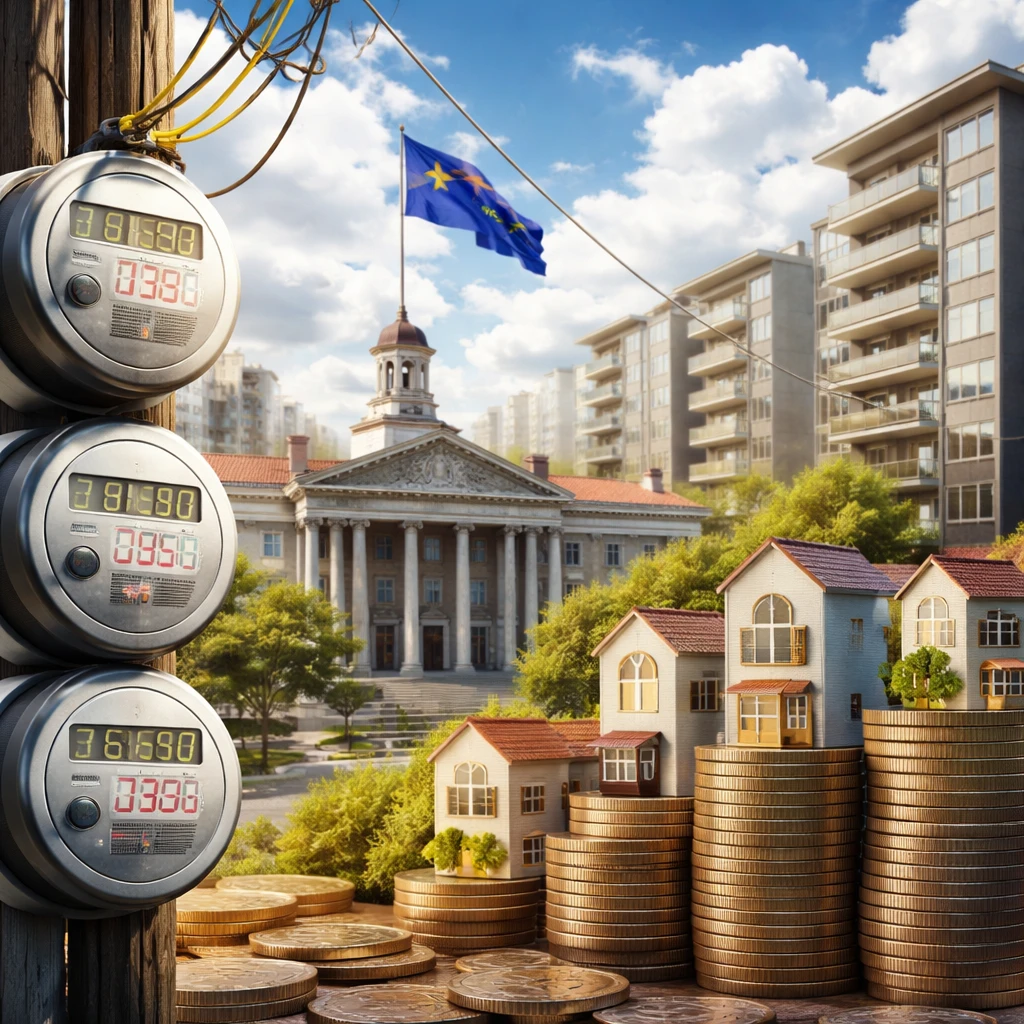
Statistics New Zealand reported a 0.6% rise in the consumer price index (CPI) for the fourth quarter compared to the preceding quarter. This growth outpaced economist expectations, who had anticipated a 0.5% quarterly rise and a 3.0% annual increase according to Reuters' polling. The main contributors to these inflation movements were increases in electricity costs, local authority taxes, and housing rents.
In November, the RBNZ projected an annual inflation rate of 2.7% for the quarter and indicated that the monetary easing cycle was nearing its end as economic growth appeared to be gaining momentum. Despite this, the bank implemented a 25 basis point cut at its latest meeting, reducing the official cash rate to 2.25%, tallying a total reduction of 325 basis points since August 2024. This series of cuts responded to persistent economic weakness.
While acknowledging that inflation stands at the higher boundary of their target range, the RBNZ expects inflation rates to trend back toward approximately 2% by mid-2025. Nicola Growden, a spokesperson for Statistics New Zealand, noted that although the annual inflation rate has decelerated considerably from a peak of 7.3% in the second quarter of 2022, it has been rising each quarter following December 2024. Non-tradeable components of inflation, which typically reflect domestically driven price changes, registered even higher at 3.5% annually.
External factors such as uncertainty regarding U.S. tariff policies and ongoing geopolitical tensions remain influential on inflation expectations and subsequent monetary policy decision-making. These global dynamics complicate the RBNZ’s outlook amid critical economic considerations.
Simultaneously, the New Zealand government, having announced a general election scheduled for November, is focused on demonstrating economic management capabilities amid inflationary pressures. Stabilizing inflation is central to efforts to assure the public of the government's economic stewardship.