
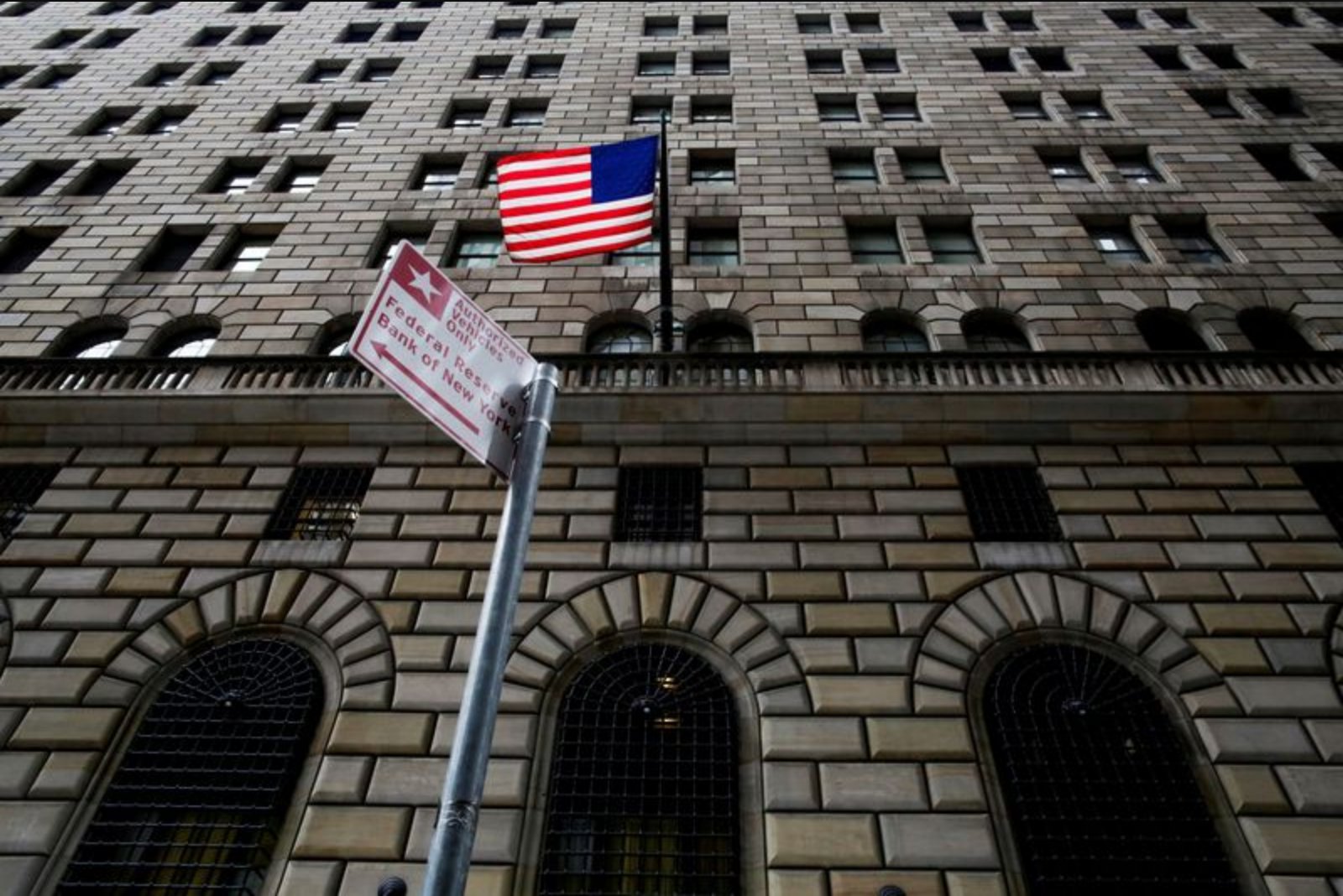
The New York Federal Reserve's broad first-quarter review of consumer credit shows continuing strain among student loan borrowers while measuring a largely steady picture across other forms of household debt.
In its assessment released with an accompanying blog post, the regional Fed bank reported that student loan delinquencies remain elevated relative to other borrower groups. The report said the flow of student loans moving into serious trouble moderated during the quarter and characterized the overall level of defaults in that category as "relatively low."
At the same time, the New York Fed highlighted that borrowers carrying student loans have "very high delinquency rates across all credit products," noting that "these high rates suggest that their payment struggles extend beyond student loans - and are likely to worsen when collection efforts resume." That observation accompanied the debt report and underlines a vulnerability concentrated among this borrower group.
Measured dynamics offer a mixed signal. The transmission rate - the share of student loans shifting into serious delinquency - was 10.9% in the first quarter, down from 16.2% in the fourth quarter of 2025. Despite that decline in the transmission rate, the stock measure of student loan delinquency edged up, with 10.3% of student balances three months or more past due in the first quarter, compared with 9.6% at the end of the fourth quarter of 2025.
The report also identified a cohort of borrowers who have reached the most severe stage of delinquency. Some 2.6 million student loan holders who were 120 days or more behind on repayments had their loans referred to the U.S. Department of Education's Default Resolution Group, the New York Fed said.
While student loan distress is visible, the Fed's overview found only modest changes across other categories of borrowing and little movement in aggregate delinquency measures. Total delinquency rates on consumer debt were reported as mostly steady in the first quarter at 4.8%.
Overall household debt was described as being "on pretty stable footing overall" even as researchers acknowledged some signs of weakness. The New York Fed noted that this calm comes amid a period of stable labor market conditions and continued economic growth.
Household debt totals in the first quarter reached $18.8 trillion, an increase of $18 billion from the final three months of 2025. Mortgage balances rose to $13.2 trillion, up $21 billion from the prior quarter, while credit card debt declined by $25 billion to $1.3 trillion.
Fed researchers cautioned that the current steadiness may not be immune to external pressures. The report said it is unclear whether the relative calm will persist as consumers face rising energy prices tied to the war in the Middle East, which has disrupted global supply chains. Recent internal work cited by the New York Fed indicated that lower-income households are increasingly stressed by higher energy costs.
Economists at the regional Fed concluded that, because student loan borrowers account for a modest share of overall credit usage in the economy, "spillover from the recent wave of defaults and delinquencies to broader credit markets is likely to be limited." The characterization suggests current frictions are concentrated rather than system-wide, even as the potential for deterioration remains tied to the resumption of collection activity and external cost pressures facing households.
Methodology note: The assessment summarized data on flows and stocks of delinquencies across consumer credit categories and reported the figures referenced above in the New York Fed's quarterly consumer debt overview and the accompanying blog post. The report's findings were discussed by New York Fed researchers during a conference call with reporters.