
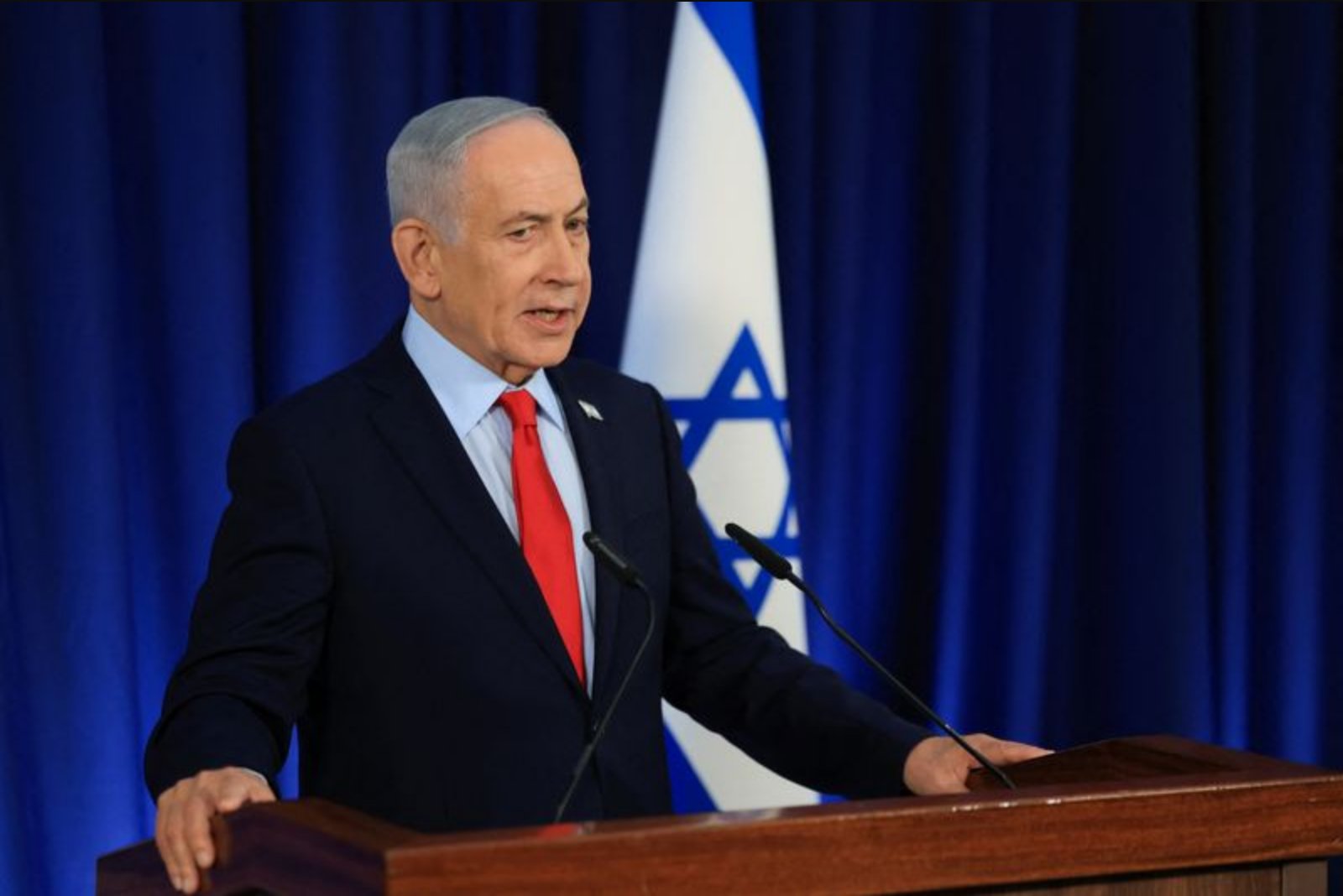
Israeli Prime Minister Benjamin Netanyahu is racing against a parliamentary deadline to pass the state budget and avoid early elections that party strategists fear he would likely lose. In the immediate aftermath of the strikes that killed Ayatollah Ali Khamenei, some in Netanyahu's circle believed momentum might allow a snap election ahead of the planned October schedule. One legal mechanism to force such an early vote is to allow the parliament to miss the March 31 budget deadline, which by law would require elections within 90 days.
As U.S.-Israeli strikes eliminated a number of senior Iranian figures, a handful of Netanyahu allies publicly raised the possibility of a June election. Yet, nearly four weeks into a conflict that has not met its stated objective of toppling Iran's clerical leadership, the long-serving prime minister is now focused on preventing an early vote, according to three government members.
The push to avert snap elections has included allocating funds to political allies to secure the necessary majority to pass the budget and expediting approval through the Knesset's Finance Committee to meet the looming deadline. Netanyahu's office has not responded to requests for comment on the matter.
In public statements since 2023, Netanyahu has opposed calls for bringing forward elections during wartime. On March 12 he reiterated his preference that the government serve its full term, saying he had asked allies to be responsible and to approve the defence-heavy budget valued at $225 billion.
While the Iran conflict has allowed Netanyahu to shift public focus away from the Gaza front and toward a joint campaign with the United States against Iran - an area where national consensus is comparatively strong - opinion polls show a persistent stalemate. Surveys have found broad public backing for a war framed as eliminating an existential threat, but that support has not translated into a meaningful rise in electoral support for Netanyahu's coalition.
Political scientist Gideon Rahat of the Hebrew University of Jerusalem described the polling landscape as essentially unchanged since the crisis began on October 7, 2023. Polls repeatedly show about 40% of voters supporting Netanyahu's bloc of nationalist and religious parties, roughly 40% backing opposition groups, and a remaining swing segment that has yet to move decisively toward the prime minister.
Rahat added that even if public opinion initially rallied behind the government's war objectives, fatigue is building as the conflict continues without a clear, decisive outcome or diplomatic resolution. He noted a pattern in which intermittent rounds of fighting are followed by short lulls and then renewed hostilities.
A Times of Israel poll published on March 19 indicated that Netanyahu's Likud party would secure 28 of the 120 Knesset seats, down from its current 34. While Likud would remain the largest single party under that survey, the broader coalition would fall short of a parliamentary majority, reaching only 51 seats.
Earlier statements from some senior party figures and aides hinted at a potential late June or early July election. On March 3, Israeli Science Minister and Likud member Gila Gamliel told local radio the election would be in late June or early July. Similar comments were reported from other senior party members and Netanyahu aides. In subsequent weeks Netanyahu himself has acknowledged uncertainty over whether the conflict would lead to the overthrow of Iran's rulers. As the war approaches a fifth week, the likelihood of a summer election appears to be receding. Rahat characterized the prime minister's approach as an effort to buy time.
Fiscal pressures are compounding the political tightrope. With schools closed and workplaces only partially operational, the Finance Ministry estimates the Iran conflict is costing the economy five billion shekels per week. The government has also approved an additional 32 billion shekels in defence spending since the conflict began.
Rising defence expenditures reduce the pool of funds available for other demands from constituents whose support Netanyahu needs in parliament. Notably, ultra-Orthodox Jewish parties - which exited the government in 2025 - had threatened to vote against the budget unless legislation was finalized that would exempt their communities from mandatory military service, an issue that has strained their alliance since 2023.
The threat of rebellion in parliament appears to have softened after the coalition allocated about five billion shekels this month for ultra-Orthodox schools. Spokespeople for Shas and the United Torah Judaism party did not respond to requests for comment.
Opposition member Vladimir Beliak, who serves on the Finance Committee, criticized the government's allocations, saying that by approving those funds the coalition opted for "coalition survival over fair distribution of resources."
Netanyahu also faces the ongoing political complication of his long-running criminal trial, in which he is charged with fraud, bribery and breach of trust, charges he denies. Backers, including U.S. President Donald Trump, have urged Israeli President Isaac Herzog to consider a pardon. A mid-trial pardon would be without precedent and has met resistance from the country's justice system.
As the March 31 budget deadline approaches, the prime minister's calculations are constrained by narrow parliamentary arithmetic, rising defence bills and an economy feeling the short-term effects of wartime disruptions. Whether those budgetary maneuvers will be sufficient to secure majority support and prevent elections within 90 days remains uncertain as the conflict and its political reverberations continue to unfold.
(Currency conversion: $1 = 3.1192 shekels)