
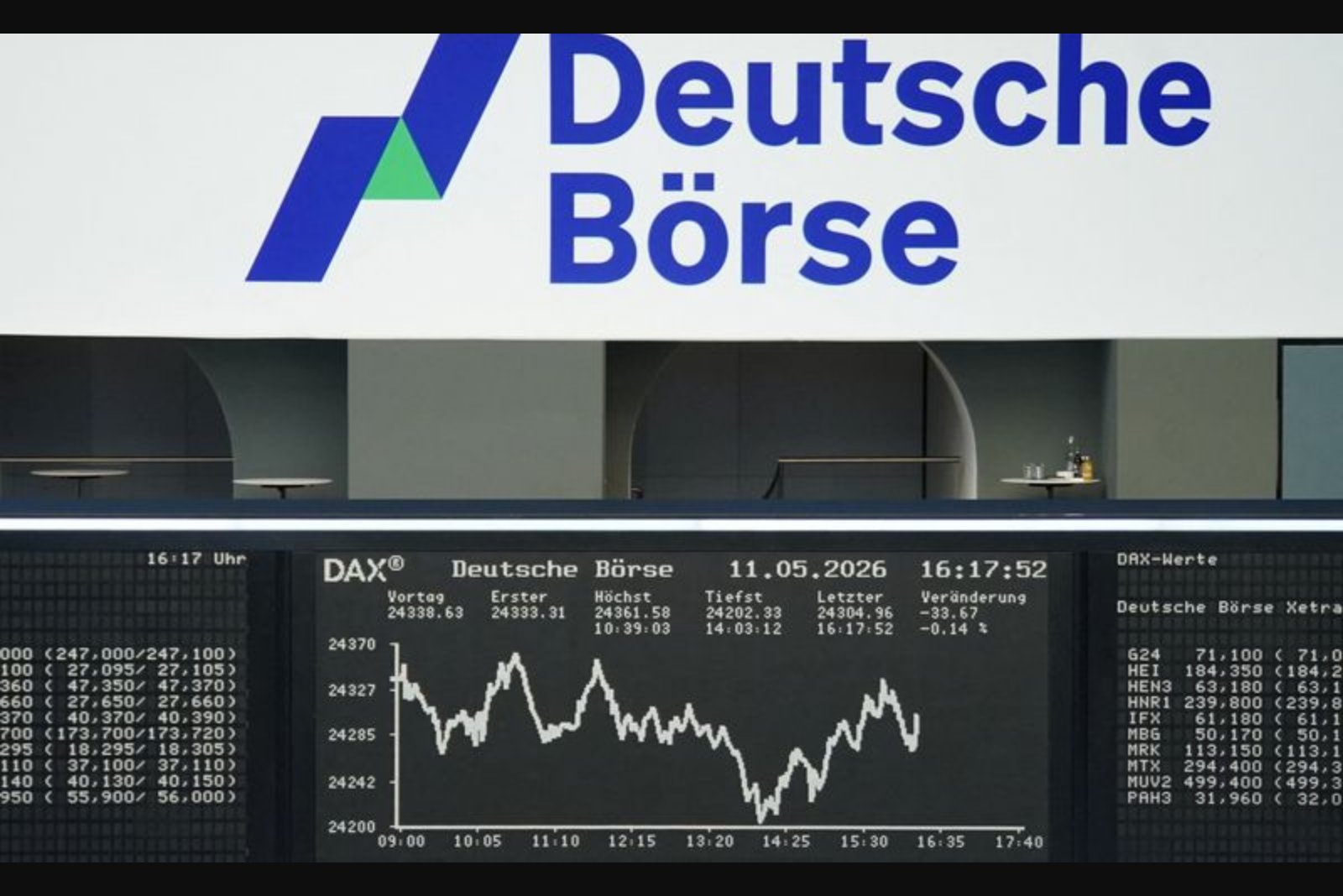
Markets entered Tuesday with a wary tone after diplomacy aimed at ending the Middle East conflict encountered a fresh impasse. U.S. President Donald Trump said a ceasefire with Iran was "on life support" after Tehran rejected a U.S. proposal to end the conflict. The rebuff nudged oil prices higher and fostered a modest move into safer assets as investors weighed the odds of renewed escalation.
Though a ceasefire that has been in place since April 7 had supported sentiment in recent weeks, the absence of meaningful progress in talks between Washington and Tehran is starting to exert pressure on particular market segments. Elevated energy prices remain a central concern for policymakers and investors alike, and that backdrop is showing up in fixed income markets: bond yields have been steadily rising across the globe as participants prepare for interest rates to remain higher for longer to counter inflationary pressure stemming from elevated energy costs.
In Europe, pricing in money markets reflects expectations of further tightening by the European Central Bank. Traders are fully pricing in two 25-basis point hikes across the ECB's three meetings through September and assign roughly a 75% chance of a third increase by year-end. In the United States, markets have effectively ruled out any Federal Reserve rate cuts this year.
Those rate expectations have supported the U.S. dollar amid safe-haven demand, though gains have been somewhat capped as investors still hope negotiations will yield a resolution. The timing of key inflation reports has amplified market attention: U.S. inflation data scheduled later in the day will be closely parsed for signs of how the conflict is filtering through to prices. Germany's final inflation numbers for April are also due, following an earlier release that showed a rise in prices.
Observers note the conflict's direct implications for energy security in Europe. The Strait of Hormuz has been effectively shut down about 10 weeks into the conflict, a development that underscores the vulnerability of energy-dependent economies on the continent. That dynamic could sharpen market focus should the incoming inflation data indicate further upward pressure on consumer prices.
European equities were poised for a lower open as the cautious mood spread to the region. The pan-European STOXX 600 remains around 4% below pre-war levels and continues to lag international peers that have benefited from a rebound tied to artificial intelligence-driven optimism.
Key near-term developments to watch:
- Germany: final inflation report for April and May ZEW sentiment survey
- United States: monthly inflation report
Futures signals and macro releases will likely shape trading as investors digest whether the conflict's energy shock transmits into broader inflationary trends and how central banks respond.