
Economy March 30, 2026

NATO Downs Fourth Missile Over Turkey in Under a Month, Ankara Says

Turkish defense officials report another Iranian-launched ballistic missile intercepted by NATO assets in the Eastern Mediterranean

By Priya Menon
NATO Downs Fourth Missile Over Turkey in Under a Month, Ankara Says

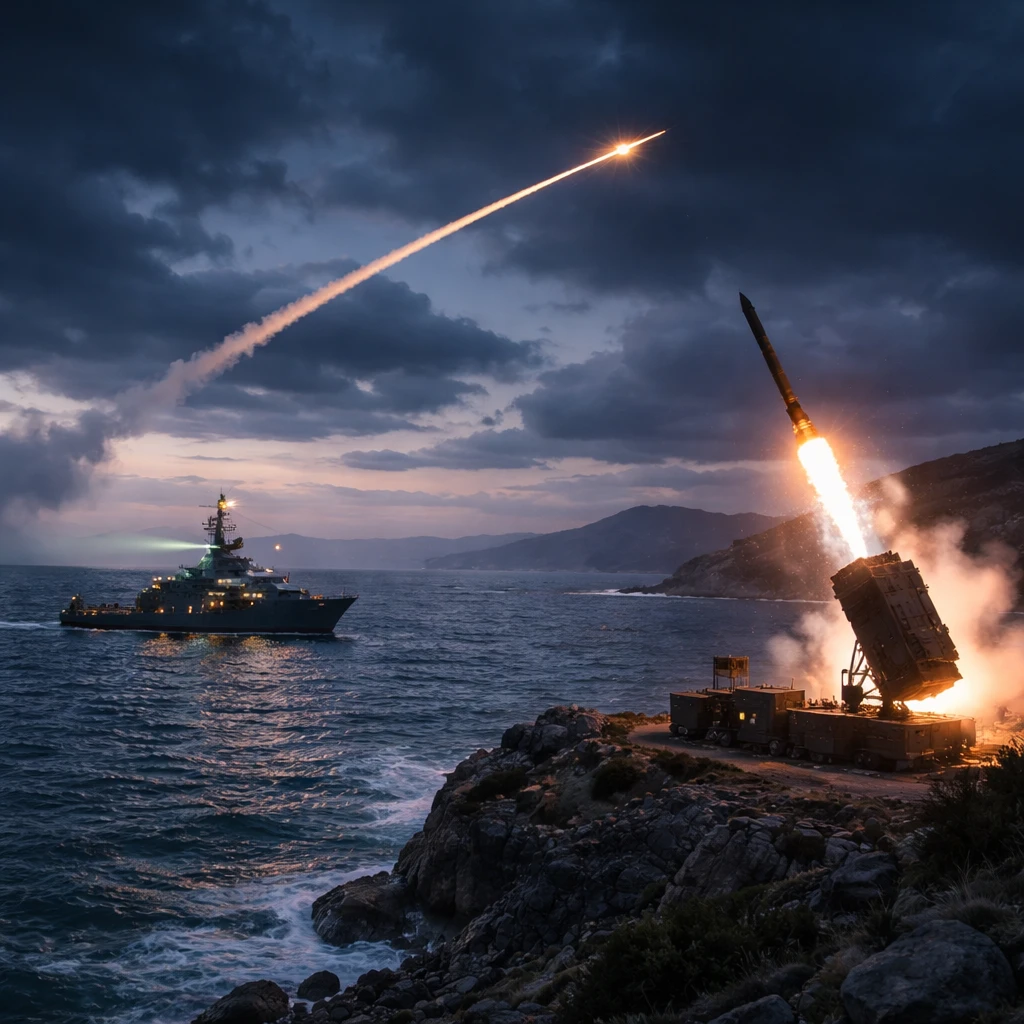
Turkey’s Defense Ministry says NATO forces intercepted a ballistic missile over Turkish airspace on Monday, the fourth such incident in less than a month. The ministry reported the projectile was launched from Iran and neutralized by NATO air and missile defenses deployed in the Eastern Mediterranean, while providing limited location details. Iran denies targeting Turkey; Ankara says it has evidence the missiles originated from Iran.

Key Points

  • NATO intercepted a ballistic missile over Turkey on Monday; the Turkish Defense Ministry says it was launched from Iran.
  • This is the fourth such interception in under a month; the first occurred on March 4 when NATO shot down a missile headed toward an unidentified target.
  • Sectors affected include defense and aerospace - notably missile-defense systems and military installations such as Incirlik Air Base, which hosts NATO forces including hundreds of U.S. personnel.

NATO air and missile defense systems intercepted a ballistic missile over Turkey on Monday, the Turkish Defense Ministry said, marking the fourth interception of a missile believed to have been launched from Iran in under a month.

The ministry said the missile entered Turkish airspace after being launched from Iran and was neutralized by NATO assets positioned in the Eastern Mediterranean. Officials did not specify where the interception occurred.

The first recorded interception in this series took place on March 4, when NATO shot down a missile that had been fired toward an unidentified target. Subsequent incidents prompted NATO to deploy two additional Patriot missile-defense systems to Turkey, the ministry noted.

Turkish authorities have maintained that they possess evidence indicating the missiles originated in Iran. Iran, however, has publicly denied firing missiles toward Turkey.

Earlier missiles in the same run of incidents are believed to have been aimed at an advanced early-warning radar installation in eastern Turkey and at Incirlik Air Base in the country's south. Incirlik hosts NATO forces, including hundreds of U.S. personnel, according to the Defense Ministry statement.

In a direct statement, the Defense Ministry said Turkey was taking all necessary measures "without hesitation against any threat directed at our country’s territory and airspace." The ministry also warned Tehran against targeting Turkish territory and expanding the conflict.

The ministry declined to disclose additional operational details, leaving certain aspects of the interceptions - including precise locations and timing beyond the broad descriptions provided - unspecified in its public account.


Summary - The Turkish Defense Ministry reported that NATO intercepted another ballistic missile over Turkey on Monday, asserting the projectile was launched from Iran. This is the fourth interception in less than a month. NATO assets deployed in the Eastern Mediterranean carried out the neutralization, and Turkey says it holds evidence linking the missiles to Iran, a claim Tehran denies.

Risks

  • Attribution remains contested - Iran denies firing missiles toward Turkey, while Ankara asserts it has evidence the projectiles originated in Iran; this uncertainty affects diplomatic and security responses (impacts defense and diplomatic sectors).
  • Limited operational details were released by the Defense Ministry, including the specific interception location, leaving gaps in public situational awareness and potential market or operational uncertainty for defense logistics and regional bases (impacts defense and logistics sectors).
  • Repeated missile incidents raise the risk of wider conflict escalation if strikes continue or are perceived as targeting allied facilities, which could affect defense procurement and force posture decisions (impacts defense and aerospace sectors).

More from Economy

Greek Central Bank Chief Says ECB Must Move Fast If Inflation Expectations Slip Mar 30, 2026 Fed Chair Says Private Credit Is Under Scrutiny but Not a Systemic Threat Mar 30, 2026 Egypt's Central Bank Poised to Hold Rates as Iran War Raises Inflation Risks Mar 30, 2026 IMF Warns Iran Conflict Will Lift Prices and Slow Global Growth Mar 30, 2026 Banxico Signals Rate-cut Cycle Nearing End, Governor Says Mar 30, 2026