
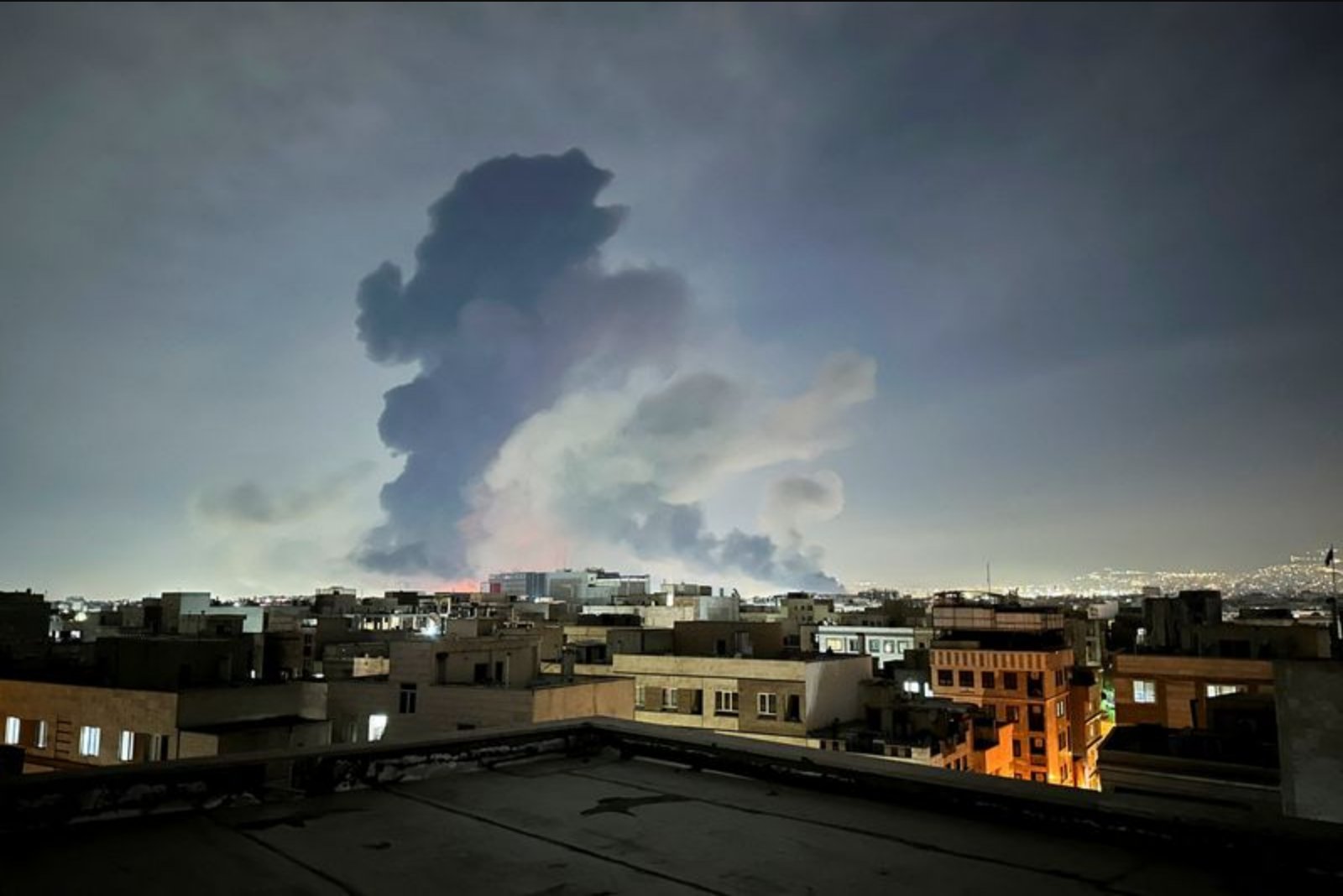
The widening crisis in the Middle East has altered the calculus for monetary authorities globally, producing a stark policy trade-off between bolstering growth and fighting higher prices. The disruption to energy markets has become a major supply shock, complicating decisions already shaped by uneven recoveries and varied inflation dynamics.
In emerging Asia, the prospect of cutting interest rates now carries heightened risks. Central banks in the region confront not only the inflationary impact of rising fuel costs but also the possibility that weakening terms of trade versus the United States could trigger capital outflows and currency stress.
Sources familiar with the Reserve Bank of India told Reuters that the bank expects to place greater emphasis on supporting growth by maintaining lower interest rates. At the same time, officials face the growing reality that a surge into the safe-haven U.S. dollar, intensified by the U.S.-Iran conflict, may compel stronger foreign-exchange intervention to arrest depreciation in the Indian rupee.
Toru Nishihama, chief emerging market economist at Dai-ichi Life Research Institute in Tokyo, warned that other regional central banks could be driven to abandon dovish postures. He said: "Many central banks will face a tough decision as they come under pressure from both markets and governments." He added: "With no clear end in sight to the conflict, the risk of stagflation is heightening day by day."
Market moves in Asia reflected those concerns. Equity markets fell and the U.S. dollar strengthened as oil prices climbed above $110 a barrel, stoking fears that a prolonged regional war would squeeze global energy supplies and raise inflation, potentially forcing more aggressive central-bank responses.
The policy dilemma is particularly acute for economies reliant on manufacturing and open trade, such as South Korea and Japan. Those countries depend on stable global markets and affordable raw materials - conditions threatened by the worsening geopolitical situation.
South Korea's central bank, which left rates unchanged in February, could adopt a more hawkish stance if inflation persistently runs about a percentage point above its target, according to Citigroup economist Kim Jin-wook. Kim said: "For now, we continue to believe BoK is unlikely to hike policy rate in response to a higher-than-expected oil price," noting that government measures to curb fuel prices have limited the pass-through of oil moves into inflation.
Developed-market central banks face parallel strains in balancing growth, inflation and rising political scrutiny. The Bank of Japan confronts a particularly painful choice. Nomura Research Institute estimates that if crude oil prices remain around $110 a barrel for a year, Japan's growth could be reduced by 0.39 percentage points - a heavy hit for an economy with modest potential growth estimated at roughly 0.5% to 1%.
At the same time, the BOJ's ability to overlook price pressure is constrained. Inflation has exceeded the 2% target for nearly four years, narrowing the central bank's room to look through temporary spikes. Analysts say this environment leaves the BOJ little alternative but to reiterate its commitment to continued rate tightening, even as it withholds precise timing for moves that might provoke political pushback from an administration opposed to higher borrowing costs.
Australia and New Zealand illustrate how economies at different points in the cycle confront divergent policy stresses. Jonathan Kearns, chief economist at Challenger and a former Reserve Bank of Australia official, warned that sustained oil price increases could unanchor inflation expectations in Australia, where inflation is already elevated. He said: "If inflation expectations increase, which they obviously could in this period where we’ve had high inflation, that will mean that the Reserve Bank would need to have interest rates higher for longer in order to bring inflation back down."
New Zealand’s situation differs because its economy has been coping with the legacy of prior rate hikes. Jarrod Kerr, chief economist at Kiwibank, said that central banks - and the Reserve Bank of New Zealand in particular - may have to tolerate higher inflation temporarily to avoid tightening policy into a slowing global economy.
The International Monetary Fund underscored the global reach of energy-driven inflation risks. IMF Managing Director Kristalina Georgieva told a Tokyo symposium that a 10% rise in oil prices, if sustained through most of the year, would add roughly 40 basis points to global inflation. She warned that the new Middle East conflict is testing global resilience and urged policymakers to prepare for extreme contingencies: "My advice to policymakers in this new global environment is think of the unthinkable and prepare for it."
Summary: The Middle East conflict has intensified a supply shock that forces central banks to choose between supporting growth and containing inflation. Emerging Asian policymakers face additional currency and capital-flow risks, while developed-economy central banks confront the prospect that higher energy costs could prolong inflation and complicate the timing of rate moves.
- Key points:
- Higher oil prices have created a global supply shock that complicates central-bank mandates on growth and inflation.
- Emerging Asian central banks risk capital outflows and currency pressure if they pursue rate cuts amid a stronger U.S. dollar.
- Advanced economies, including Japan and Australia, face a policy bind between slowing growth and the need to anchor inflation expectations.
- Risks and uncertainties:
- Elevated oil prices could trigger stagflation - combining slower growth with rising inflation - particularly if the conflict persists, affecting manufacturing and trade-dependent sectors.
- Currency depreciation and capital outflows in emerging markets could force central banks into costly intervention, impacting financial stability and credit conditions.
- De-anchoring of inflation expectations in economies with already elevated inflation could oblige central banks to keep interest rates higher for longer, pressuring domestic demand and real estate-sensitive sectors.
The road ahead for monetary policy will hinge on how long the geopolitical shock endures and whether energy markets stabilize. For now, central banks in both emerging and developed markets are confronting a narrow path between supporting activity and preventing a reacceleration of inflation that could compound economic vulnerabilities.