
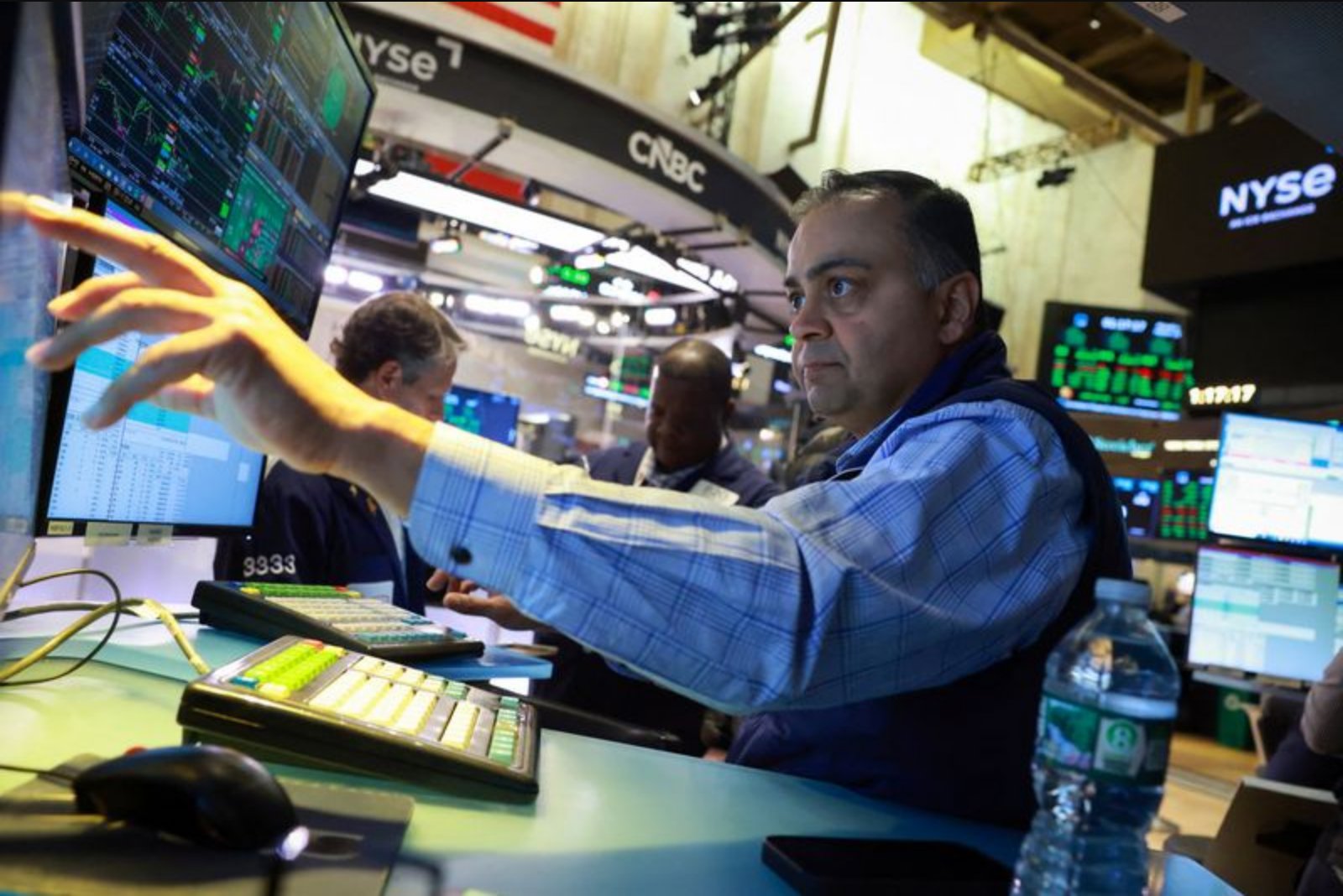
ORLANDO, Florida, March 23 - Global markets swung on Monday after a U.S. decision to delay strikes on Iran’s energy infrastructure and comments suggesting initial talks with Tehran had taken place. The move triggered a sharp decline in oil prices and lifted risk assets, although analysts caution that the disruption to energy supply and refining capacity could have lingering effects.
Stocks in the United States posted their strongest gains since early February, European bourses rebounded by around 1%, while equity markets in Asia suffered steep losses. The immediate market response highlighted a surge in risk appetite on the belief that the threat of further escalation may have receded, at least temporarily.
In a separate column published the same day, the author examines why U.S. consumers may be able to absorb oil at $100 per barrel. The column points to healthy household balance sheets and notes that gasoline and related energy products constitute roughly 2% of overall household consumption, factors that could blunt the direct consumer impact of higher oil prices.
Recommended reading
- 1. Iran denies talks with U.S. after Trump postpones strikes on power grid
- 2. Trump’s Iran war oil shield is cracking: Bousso
- 3. Trump approved Iran operation after Netanyahu argued for joint killing of Khamenei, sources say
- 4. Fed’s Miran still believes Fed should cut interest rates - Bloomberg TV
- 5. BOJ’s narrative shift signals dogged commitment to rate hikes
Today’s key market moves
- Stocks: Asian markets suffered heavy losses with Japan and China down more than 3% and South Korea off by more than 6%. Europe recovered about 1%, and U.S. indexes climbed between 1% and 2.5%. Brazil recorded a strong gain of 3.5%, its biggest one-day rise in three years.
- Sectors and shares: All 11 sectors of the S&P 500 finished higher. Consumer discretionary led with a gain near 2.5%, technology rose about 1.5%, and energy also gained roughly 1%. Airline and cruise stocks outperformed, Palantir jumped 7%, while Estee Lauder fell 7%.
- FX: The dollar index declined 0.7%, and the greenback slid more than 1% against several emerging-market currencies including the Brazilian real, Chilean peso and Hungarian forint. The largest G10 mover was the Norwegian krone, down roughly 2% as oil prices sank.
- Bonds: U.S. yields fell, with the short end down about 7 basis points, resulting in a bull-steepening of the curve. U.K. gilts experienced pronounced volatility: the 10-year yield moved above 5%, the highest level since 2008, before the two-year yield recorded its largest one-day drop in a year.
- Commodities and metals: Oil plunged about 10% on the news. Gold fell to a four-month low and ended the day down around 2%, while silver rose about 2%.
Market themes and analysis
TACO trades and risk appetite
The decision to postpone strikes on Iran’s power grid - and the suggestion of preliminary talks - prompted a swift shift back toward risk-taking. Traders seized the moment as evidence that one potential escalation path had been closed, at least temporarily, and many treated the move as another iteration of the ‘‘Trump Always Chickens Out’’ dynamic that some market participants have traded before. That bias toward ‘‘TACO’’ trades helps explain the sudden rebound in equities and the slide in oil.
Yet caution is warranted. Damage to oil and liquefied natural gas (LNG) supply chains, to processing facilities, and to refining capacity cannot be repaired overnight. The market impact of such damage may take months to fully manifest, meaning the global economy could face elevated energy costs for an extended period even if immediate military action is delayed.
Gold’s role as a safe haven
The sharp decline in gold since the Middle East conflict began nearly a month ago has prompted uncomfortable questions about the metal’s status as a safe haven. If gold falls amid war, an oil shock, weakening equities and rising inflation, investors face a more complex environment for hedging risk. The episode suggests that investors may need to be more nimble and diversified when seeking shelter during crises.
Revisions to economic forecasts
As the energy shock enters its fourth week, analysts have started to revise growth and inflation projections. BNP Paribas economists raised their 2026 U.S. core and headline inflation forecasts to 3.2% and 3.3%, respectively, stating that "3% inflation is here to stay." Goldman Sachs economists estimate that elevated oil and gas prices could add one percentage point to global headline inflation over the next year while trimming global GDP growth by 0.4 percentage points. These adjustments underscore the difficult stance central bankers face when weighing price stability against growth concerns.
Near-term market catalysts to watch
- Further developments in the Middle East
- Moves in energy markets
- Flash global purchasing managers indexes for March, including Japan, the U.K., the euro zone and the U.S.
- Japan inflation data for February
- South Korea producer price inflation for February
- Taiwan industrial production for February
- Speeches by ECB policymakers Pedro Machado, Olaf Sleijpen, Piero Cipollone and Philip Lane
- U.S. productivity for Q4 (revised)
- U.S. Treasury auction of $69 billion of two-year notes
- Remarks from U.S. Federal Reserve Governor Michael Barr
These items could materially influence market sentiment and risk pricing in the coming sessions.