
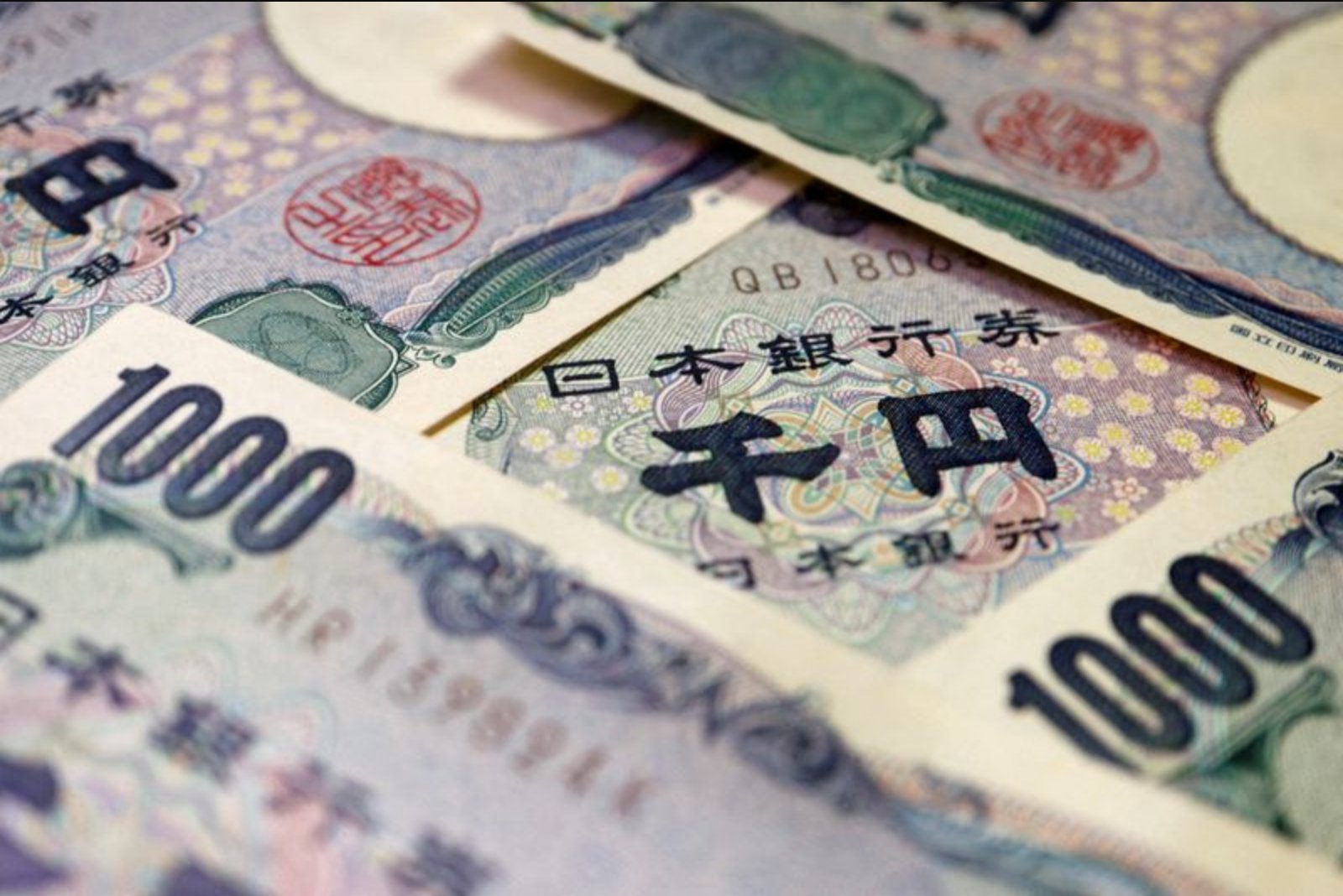
Foreign exchange markets began the week watching closely for evidence that authorities might step in to buy yen following pronounced volatility late last week and a weekend pledge from Japan’s prime minister to counter speculative or very abnormal market movements. The risk of intervention loomed largest in the low-liquidity hours early in Asia’s trading day, when thin order books - exacerbated this week by an Australian holiday - can magnify price swings.
Short sellers were particularly exposed after the yen finished Friday with its steepest one-day gain in nearly six months, climbing to 155.73 per U.S. dollar. That sharp move followed an earlier slide toward the 160-per-dollar area - a level where many market participants regard intervention as more likely. The sudden reversals late in the London morning and again during the New York session heightened nerves in a trade already sensitive to rapid moves.
Some traders interpreted activity from the New York Federal Reserve as a signal that U.S. authorities were preparing the ground for potential market action. A source familiar with the matter said the New York Fed carried out so-called rate checks, a step market participants often view as a precursor to entering the market. If the United States were to support Japanese buying, it would mark the first joint move since Group of Seven countries sold yen in 2011 after the Tohoku earthquake to counter a surge in the currency.
The yen’s weakness has been persistent, slipping to multi-decade lows against the dollar and prompting increasingly pointed complaints from Japanese officials who say the depreciation is beginning to weigh on the economy by raising import costs and broadening inflationary pressures.
On Sunday, Prime Minister Sanae Takaichi warned the government "will take necessary steps against speculative or very abnormal market moves," though she did not specify which markets she had in mind. That statement, coupled with the New York Fed’s activity, fed speculation that any intervention could be coordinated across borders rather than unilateral.
Traders have also been parsing comments from key officials for signs of wider support. Japanese Finance Minister Satsuki Katayama said earlier in January she and U.S. Treasury Secretary Scott Bessent shared concerns over what she described as the yen’s recent "one-sided depreciation." Bessent has engaged with counterparts in other Asian countries about their currencies as well; he discussed South Korea’s won with its finance official and posted on X that the won’s recent slide was not in line with fundamentals.
That combination of public remarks and behind-the-scenes checks has prompted market participants to speculate about whether Washington and its partners may be coordinating efforts to stabilise regional currencies. Brent Donnelly, a currency trader and founder of analytics firm Spectra Markets, said, "It’s not ridiculous to believe that following Bessent’s comments on KRW ... the U.S. and some Asian partners have agreed to stabilise or strengthen JPY, KRW, TWD (?)"
Analysts say the mere prospect of coordinated action can alter market dynamics. "Then, efficacy of future actual intervention, if any, will likely be more significant," said Nomura analyst Yusuke Miyairi, suggesting that if authorities are prepared to act together, any buying programs could have a larger and more durable impact than isolated steps.
The yen has already lost more than 5% against the dollar since Takaichi assumed leadership of Japan’s ruling party, a period that has coincided with rising bond yields amid concerns that the government’s fiscal plans will require greater borrowing. Last week the currency also hit record lows versus the euro and the Swiss franc before recovering some ground.
For market participants, the immediate question is whether Friday’s sharp rip higher was a temporary squeeze or the start of a sustained move supported by official buying. Short sellers who were caught off guard may face forced cover if authorities enter the market, and traders will be watching for any concrete signals from Tokyo, Washington, or their counterparts in the region that would indicate coordinated intervention.
Market context and what traders are watching
- Low liquidity in early Asian hours can amplify price moves, making holiday-thinned trade especially sensitive.
- Rate checks by the New York Fed have been interpreted by some as a preparatory step ahead of possible coordinated action.
- Public statements from Japanese leaders and U.S. officials have increased speculation about joint steps to stabilise currencies.