
Market moves in brief
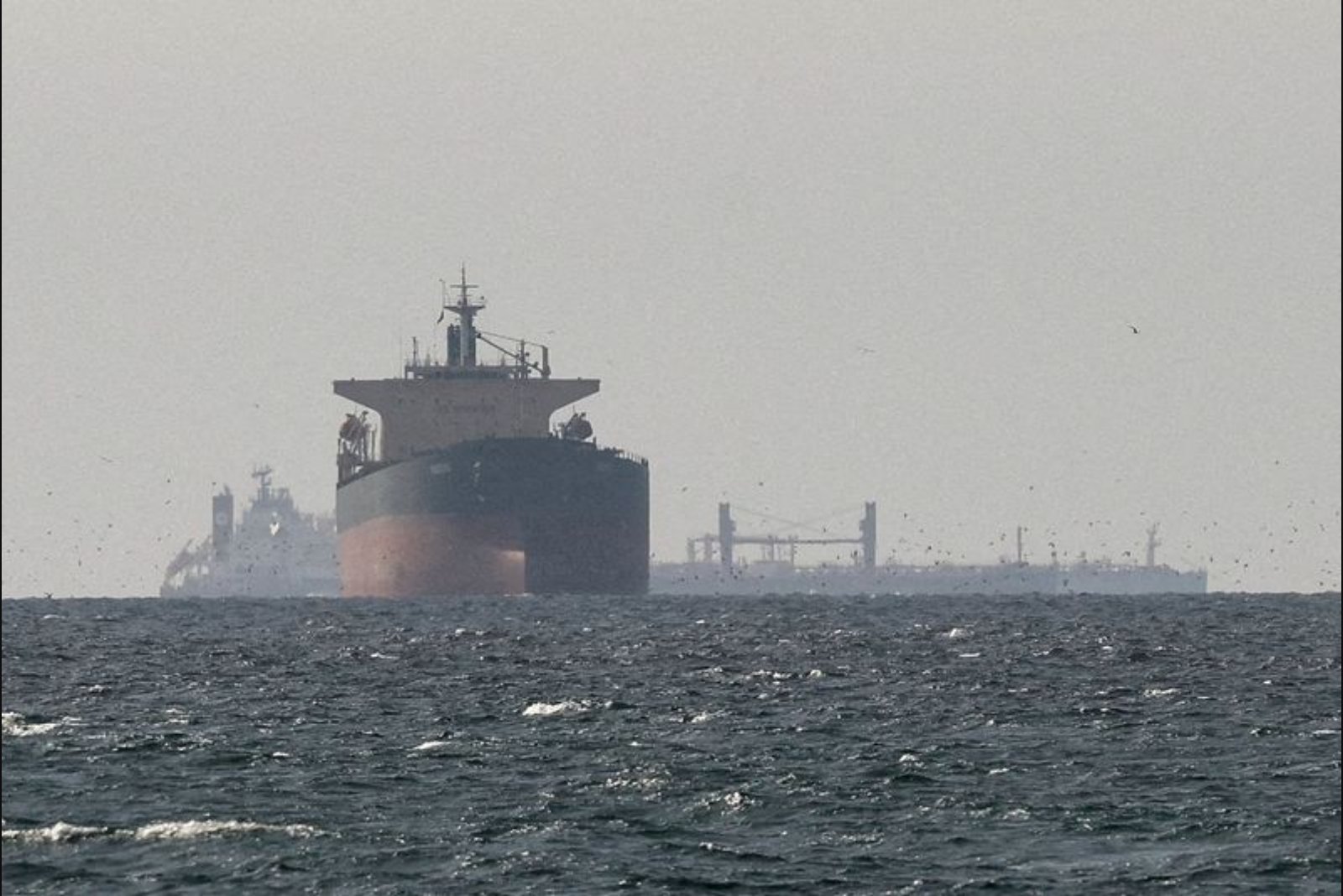
World markets were unsettled on Thursday as renewed indications that the conflict with Iran will not ease kept the Strait of Hormuz effectively closed to expectations of a quick reopening. The immediate fallout was dramatic in commodity markets: U.S. crude leapt 11% to $111 a barrel, while Brent rose 7% to $108 a barrel. That surge marked WTI's largest dollar advance in five years and helped drive a broad repricing across risk assets.
Equities and sectors
Equity performance was uneven. Asian equities posted steep losses, with Japan down 2% and South Korea off 5%. European markets outside the U.K. were lower overall, while the FTSE 100 advanced 0.7%. Wall Street finished narrowly mixed. Within the S&P 500, six sectors gained and five declined: real estate climbed 1.5% and technology 0.7%, while consumer discretionary fell 1.5%. Individual stocks showed sharp dispersion - Intel rose 5% while Tesla dropped 5%.
Fixed income, FX and commodities
U.S. Treasuries rallied, pushing longer-dated yields down about 2 basis points. The dollar mounted a broad rebound. The Indian rupee surged about 2% in its best day since 2013 after the Reserve Bank of India took steps to curb foreign exchange speculation. In metals and commodities, oil's jump dominated headlines and gold fell roughly 2%.
Geopolitical backdrop
Investor sentiment was largely driven by comments from President Donald Trump indicating there would be no immediate easing in the confrontation with Iran. That stance undercut hopes that traffic through the Strait of Hormuz could reopen soon. Later reports that Iran and Oman planned to monitor traffic in the Strait offered some limited respite and prompted partial reversals of earlier moves, but overall the conflict was said to be entering its sixth week.
Private credit strains
Distress in private credit intensified when Blue Owl announced limits on withdrawals from two of its funds after a historic wave of redemption requests. Capping redemptions has become a recurring response among private credit managers facing record outflows, and the move renewed concerns about valuations, lending standards and potential systemic vulnerabilities in the opaque private credit sector. The decision is expected to draw heightened attention from regulators.
U.S. labor market ahead of payrolls
All eyes were on Friday's U.S. nonfarm payrolls report. Consensus expectations pointed to a net gain of 60,000 jobs in March and an unchanged unemployment rate of 4.4%. On the surface those figures would not appear disastrous, but underlying dynamics are more concerning: six-month average payroll growth is near zero, the breakeven level for payrolls is close to zero, and labor supply is reported to be contracting. Taken together, the data point to a fragile jobs market that could be vulnerable to renewed inflationary and economic pressures stemming from the Iran conflict.
What could move markets next
- Many global markets were closed on Thursday, with the U.S. bond market open only until noon in local trading hours.
- Developments in the Middle East, particularly related to shipping through the Strait of Hormuz, remain a key market driver.
- Energy market volatility will be watched closely given the recent sharp moves in oil.
- Key economic releases due include final March purchasing managers' indices for Japan and the U.S., and the U.S. nonfarm payrolls report for March.
Context for investors
Thursday's trading session was dominated by the interplay of geopolitics, commodity repricing and stress in less transparent corners of the credit market. The oil spike influenced broad asset allocation decisions, while private credit redemption limits highlighted liquidity and valuation concerns. Against this backdrop, fragile U.S. payroll flows add another layer of uncertainty for risk assets and central bank observers.
Notes: The article summarizes market conditions, sector and asset-class performance, private credit developments and the state of the U.S. labor market as reported on the trading day. It highlights the principal drivers and potential near-term market catalysts.