
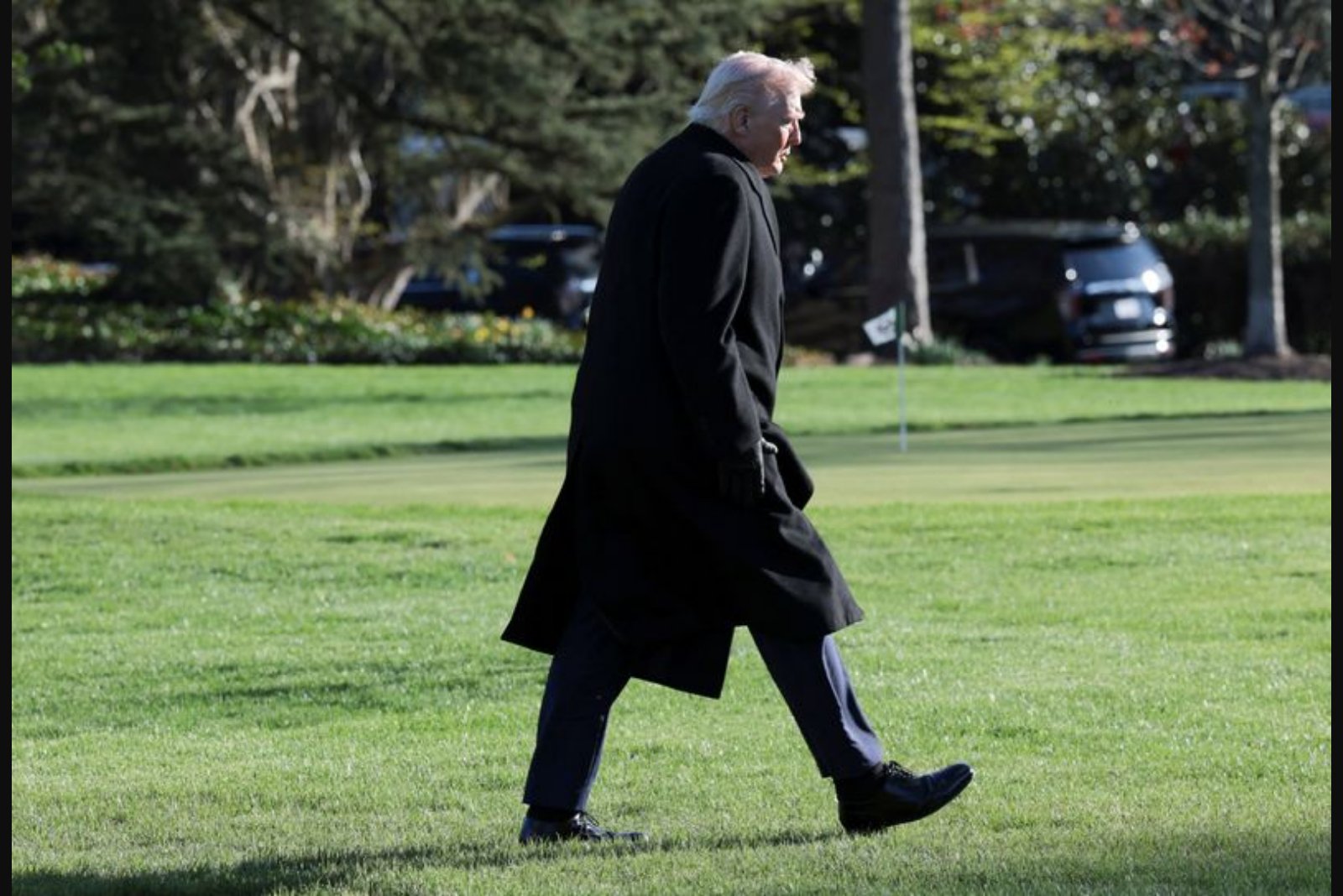
Markets found little sustained relief after U.S. President Donald Trump postponed a threat to bomb Iran’s power grid, with optimism from that move proving short-lived. Tehran denied it had engaged in talks with Washington, and ongoing damage to global energy supply exerted renewed pressure on risk sentiment. Asian markets slipped on Tuesday as investors digested the developments, and Brent crude futures rebounded above $100 a barrel.
Asian shares staged a modest catch-up rally to global peers from the prior session but failed to sustain gains, while U.S. and European futures traded lower amid choppy conditions. The dollar recovered earlier losses and U.S. Treasury yields resumed an upward trajectory.
The geopolitical picture remained tense. Trump added five days to his Saturday ultimatum for Iran to reopen the Strait of Hormuz within 48 hours, yet there were few signs of an imminent de-escalation in the broader Middle East conflict. The Israeli military reported that Iran launched multiple waves of missiles at Israel, prompting air raid sirens in parts of the country, including Tel Aviv, where blasts from interceptions were heard.
The ongoing energy shock has forced governments to take measures to shore up supplies and to explore demand-reduction steps. In Tokyo, Prime Minister Sanae Takaichi said in a post on X that Japan plans to begin releasing oil from joint stockpiles held by producing nations in the country by the end of March. In Seoul, President Lee Jae Myung called for a nationwide energy-saving campaign and said public institutions would cut back on their use of passenger cars.
Market participants also reported trading activity linked to eased U.S. sanctions: traders offered Iranian oil to Indian refiners at a premium to ICE Brent after Washington temporarily removed sanctions to help ease the energy crunch, three industry sources said.
Beyond energy and geopolitics, economic indicators and central bank communications are adding to market focus. Data released on Tuesday showed Japan’s core consumer inflation slowed below the central bank’s 2% target in February for the first time in nearly four years, a development that complicates the Bank of Japan’s efforts to communicate a plan for lifting still-low borrowing costs. Flash purchasing managers’ index readings for the euro zone, the UK and the U.S. are also due later on Tuesday and could influence market direction.
Speakers from major central banks are scheduled to appear in separate events, adding further potential market-moving elements to the day. Key scheduled developments that could affect trading on Tuesday include:
- UK, euro zone, U.S. flash PMIs (March)
- ECB’s Pedro Machado, Piero Cipollone and Philip Lane speak at separate events
- Fed’s Barr speaks
For now, markets remain sensitive to shifts in the military and energy landscape, while investors watch incoming data and central bank commentary for guidance on the monetary outlook amid heightened volatility.
Summary: Initial market relief after President Trump postponed a threat to bomb Iran’s power grid dissipated as Tehran denied talks with Washington and the energy supply remained constrained. Renewed military activity in the region and strained fuel markets lifted Brent crude above $100, prompted government measures to secure and conserve energy, and left equities and bond markets volatile ahead of key PMIs and central bank speeches.