
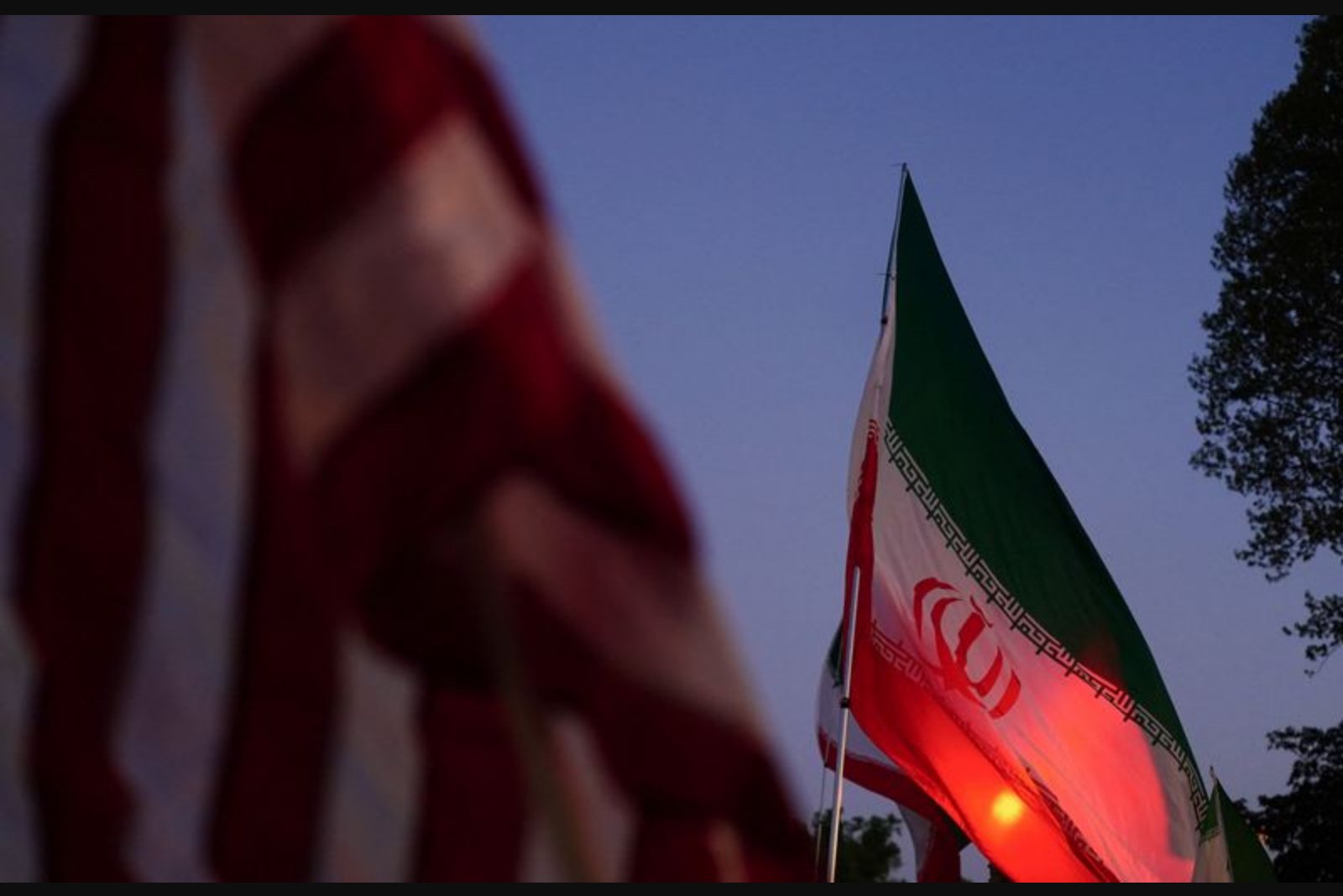
Financial markets around the world responded with a pronounced relief rally after Washington and Tehran reached a temporary agreement that could, if implemented, reopen the Strait of Hormuz for two weeks. The accord was struck just hours ahead of a deadline set by U.S. President Donald Trump and followed an extraordinary warning from him that "a whole civilization will die tonight" if Iran did not comply with his demands.
The Strait of Hormuz is a strategic chokepoint that normally carries about 20% of the world's oil and gas, and Iran said it would provide safe passage through the waterway for the two-week period. That prospect of temporarily unblocking a key supply route helped push oil prices lower, with crude slipping below $100 per barrel during Asian trading hours.
News of the ceasefire provided an immediate boost to risk appetite. Equities in Asia advanced, while futures for U.S. and European markets were signaling a strong start to the session. At the same time, U.S. Treasuries rallied significantly as investors began to revisit the likelihood of policy easing by the Federal Reserve toward the end of 2026, reflecting a softening of inflation concerns tied to the fall in oil prices.
Market participants have framed Tuesday's developments - colloquially dubbed TACO Tuesday in some trading rooms - as a welcome pause after weeks of volatility. Markets have been on edge since late February amid the conflict involving the U.S. and Israel and Iran, with investors particularly worried about a possible spike in energy costs. The latest agreement has tempers those fears for the near term.
Despite the relief, market strategists and analysts warned that the situation remains delicate. The accord is contingent on passage being maintained and does not represent a comprehensive peace. Because the ceasefire is explicitly temporary and because negotiations and security arrangements in the region remain unresolved, markets are likely to remain highly sensitive to headlines and any further developments in the Middle East.
Analysts also noted that energy prices are unlikely to return fully to their pre-conflict levels because some of the region's energy infrastructure has suffered extensive damage. That structural impairment in supply channels could keep inflationary pressures alive even if short-term price spikes subside, and it raises doubts about the durability of the recent rally at the short end of the bond market.
Near-term market drivers and scheduled data
- Euro zone retail sales for February - a data point that could influence regional demand narratives.
- March construction PMI readings for France, Germany and the euro area - which may affect growth expectations and market sentiment in Europe.
Investors will be watching these indicators alongside any fresh developments related to the ceasefire. Given the tenuous nature of the agreement, headline risk is expected to remain a defining factor for oil, sovereign bonds, and risk-sensitive assets in the days ahead.