
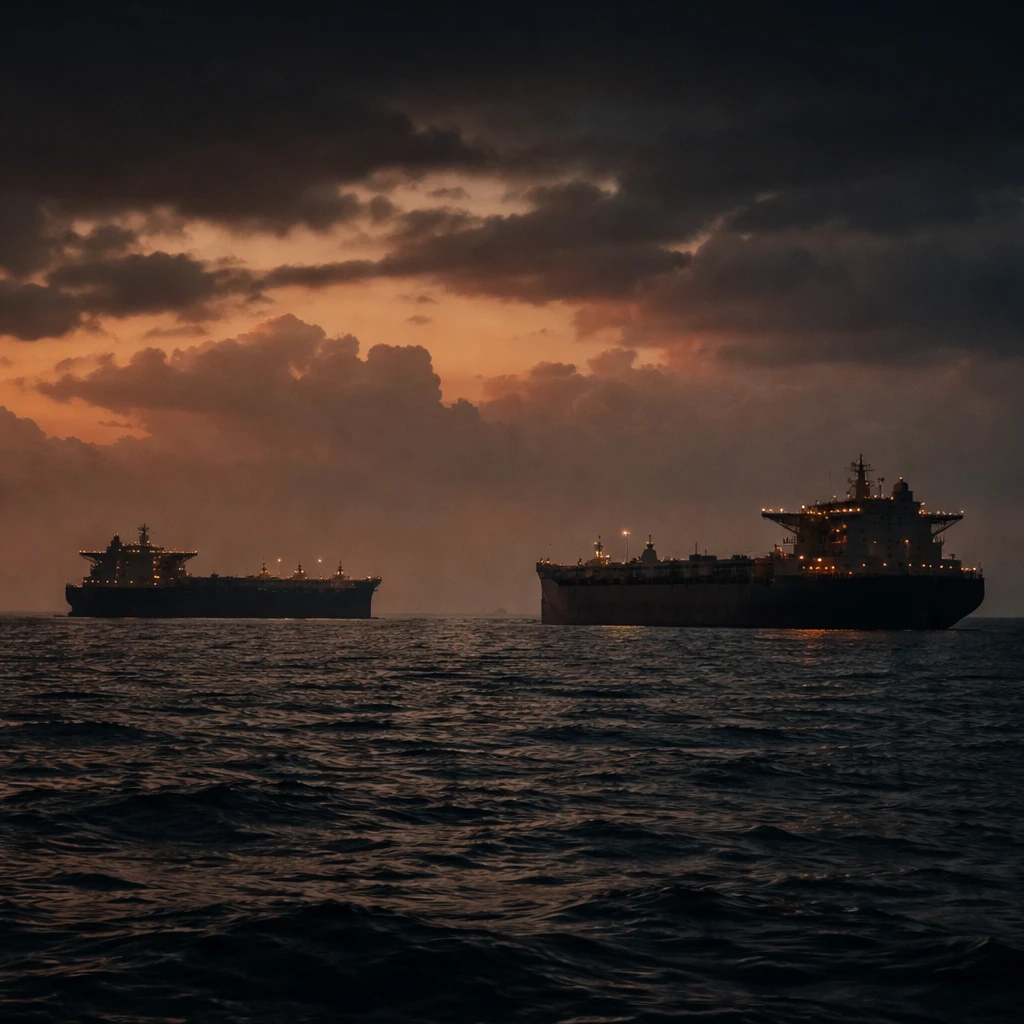
The fragile diplomatic landscape between the United States and Iran faced renewed instability on Friday following military engagements in contested waters. U.S. forces successfully struck and disabled two tankers, the Sea Star III and the Sevda, which were flying Iranian flags. According to U.S. Central Command, these vessels were attempting to breach an established naval blockade. The strikes were specifically intended to prevent Iran from utilizing empty tankers as a method of floating storage to evade existing energy sanctions.
Despite the recent exchange of fire and the disabling of the two vessels, President Donald Trump has maintained that a ceasefire remains in effect. However, the tactical actions taken against the Sea Star III and Sevda underscore the intense volatility surrounding the 'Project Freedom' initiative. This initiative aims to open the Strait, but it faces significant friction due to the continued blockade of various Iranian ports.
Diplomatic Frameworks and Mediation Efforts
In the midst of these military developments, Secretary of State Marco Rubio confirmed that the United States is anticipating a response from Tehran regarding a 14-point memorandum of understanding (MoU). This proposed framework has been facilitated through the mediation of officials from Qatar and Pakistan. The goal of the MoU is to establish specific parameters for a 30-day period of negotiations to be held in Islamabad.
Details surrounding the draft agreement suggest a reciprocal arrangement: Iran would potentially ease its control over the Strait of Hormuz in exchange for a partial reduction in the U.S. naval blockade. While Iranian officials have indicated they might agree to the memorandum, significant obstacles remain. The primary sticking points involve the extent of sanctions relief and the management of highly enriched uranium stockpiles. In a related diplomatic move, Vice President JD Vance held meetings with Qatari Prime Minister Sheikh Mohammed bin Abdulrahman al-Thani on Friday to discuss these Pakistani-led efforts toward de-escalation.
Global Economic Impact and Maritime Stagnation
The ongoing conflict is exerting measurable pressure on global markets and supply chain stability. Data from the United Nations’ Food and Agriculture Organization (FAO) released on Friday indicates that global food prices saw a 1.6% increase in April, representing the third consecutive month of price hikes. This inflationary trend is largely attributed to a 5.9% surge in vegetable oil prices, a spike driven by disruptions stemming from the war with Iran.
The maritime sector is experiencing profound paralysis within the Strait of Hormuz. According to information from S&P Global Intelligence, no commercial vessels registered with shipping companies have crossed the waterway since Tuesday. Jeremy Domballe, the maritime director at S&P Global Intelligence, noted that security concerns among global shippers are so deep that any return to normal transit levels will likely only begin as a slow trickle unless a clear resolution is reached.
Key Economic and Market Drivers
- Energy and Sanctions: The use of tankers for floating storage to bypass energy sanctions remains a central point of contention, impacting how energy markets price risk.
- Commodity Markets: Rising food prices, specifically the 5.9% jump in vegetable oil, demonstrate how maritime conflict directly influences global agricultural commodity costs.
- Shipping and Logistics: The total halt of commercial vessel traffic in the Strait of Hormuz represents a major disruption to international trade routes and shipping volumes.
Identified Risks and Uncertainties
- Geopolitical Volatility: The tension between maintaining a ceasefire and conducting military strikes to enforce blockades creates an unpredictable environment for capital allocation.
- Diplomatic Deadlock: Uncertainty remains regarding whether Iran will accept the terms of the Islamabad framework, particularly concerning uranium stockpiles and sanctions relief.
- Supply Chain Continuity: The potential for only a 'slow trickle' of maritime traffic in vital waterways poses long-term risks to global trade predictability and shipping reliability.