
Overview
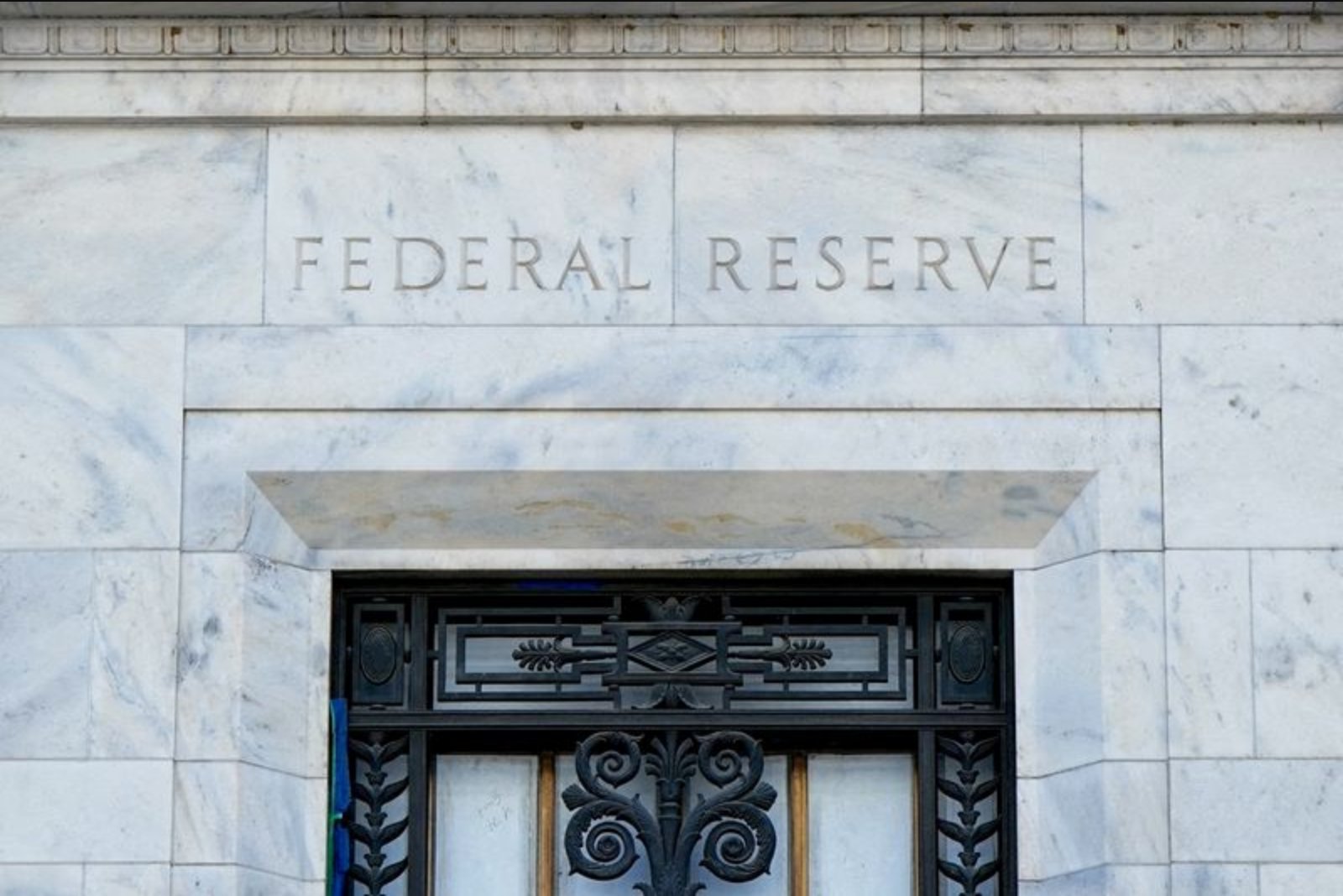
U.S. nonfarm payrolls rose by 178,000 in March, exceeding the consensus forecast of a 60,000 increase, and the jobless rate decreased to 4.3% from 4.4% a month earlier. At the same time, revisions altered recent months' figures: February was revised to a 133,000 decline from an originally reported 92,000 drop, and January's gain was revised up to 160,000 from 126,000. These data points have reinforced expectations that the Federal Reserve will maintain its current interest rate stance as it continues to assess economic growth, inflation and the implications of the war with Iran.
Details from the report
The headline payrolls figure for March surprised to the upside, coming in well above the Reuters survey consensus. The unemployment rate edged lower to 4.3%, beating the 4.4% Reuters consensus. The revisions to earlier months' payroll counts were notable: February's decline was larger on revision than initially reported, while January's gain was increased modestly. Taken together, the monthly snapshot shows a labor market that expanded in March despite uneven readings and subsequent adjustments to prior data.
Market reaction
Trading conditions were influenced by the Good Friday holiday, which closed U.S. stock markets. Fixed income and currency markets did register moves after the payrolls release: the yield on the benchmark 10-year U.S. Treasury note rose by 4 basis points to 4.35%, and the dollar index increased by 0.06 to 100.08. Observers noted that weekend and holiday schedules may limit the scope of immediate market responses, with some markets closed or operating at reduced liquidity.
Commentary from market participants
Market strategists and credit specialists interpreted the report as broadly consistent with a scenario in which the Fed remains on hold. Steve Sosnick, chief strategist at Interactive Brokers, said the headline result undermines the notion of a rapidly weakening labor market, describing the report as "solid" and noting that the one-month revision was substantial while the two-month revision was small. He added that the data do not improve prospects for rate cuts.
Mark Luschini, chief investment strategist at Janney Montgomery Scott, called the reading mixed but "overall solid enough" to allow the Fed to stay on the sidelines. He observed that revisions reduced some of the headline impact and pointed to slowing wage growth as a possible sign of slack in the labor market, while highlighting that unemployment is not rising sharply.
Zachary Griffiths, head of investment-grade credit at CreditSights, described the market reaction as moderated by ongoing downward revisions and data volatility. He emphasized the difficulty of drawing definitive signals from recent months given typical subsequent revisions, and he said the bar for policy change by the Fed remains very high. Griffiths noted that the headline payrolls beat supports the view that policy is likely to remain on hold for the foreseeable future.
Juan Perez, director of trading at Monex USA, argued the report was "not so strong" when accounting for prior-month revisions that showed larger job losses than first reported for February. He also said dollar moves around the report would be constrained by holiday observance in key regions like Europe and Latin America. Perez added that the recent role of the "petro-dollar" in lifting the dollar is fading amid growing optimism that energy disruptions may ease, while underscoring continued uncertainty driven by armed conflict and hopes for its resolution.
Implications for policy and markets
Analysts and strategists interpreting the figures said the combination of a stronger-than-expected payrolls gain, a lower unemployment rate and mixed revisions points to a labor market still resilient enough to discourage immediate Federal Reserve easing. At the same time, signs of slowing wage growth and the pattern of downward revisions suggest underlying volatility and uncertainty in the monthly readings. Market responses were measured, reflecting both the holiday and the broader cautious stance of investors watching headline economic indicators alongside geopolitical developments.
Conclusion
The March jobs report surprised to the upside on payrolls and showed a modest improvement in the unemployment rate, while revisions to prior months complicated the near-term narrative. Market moves were modest, with Treasury yields and the dollar edging higher, and commentary from market participants largely pointed toward the likelihood that the Federal Reserve will keep policy unchanged as it continues to weigh inflation, growth and international risks.