
Overview
Iran has admitted it cannot find or clear all the naval mines it deployed across the Strait of Hormuz, a development U.S. officials confirmed on Friday and one that threatens to upend a ceasefire condition requiring the waterway to be made "complete, immediate, and safe" before hostilities pause. The revelation underscores a technical impasse in efforts to reestablish reliable transit through one of the world's most vital energy chokepoints.
How the mines were emplaced and why they are hard to clear
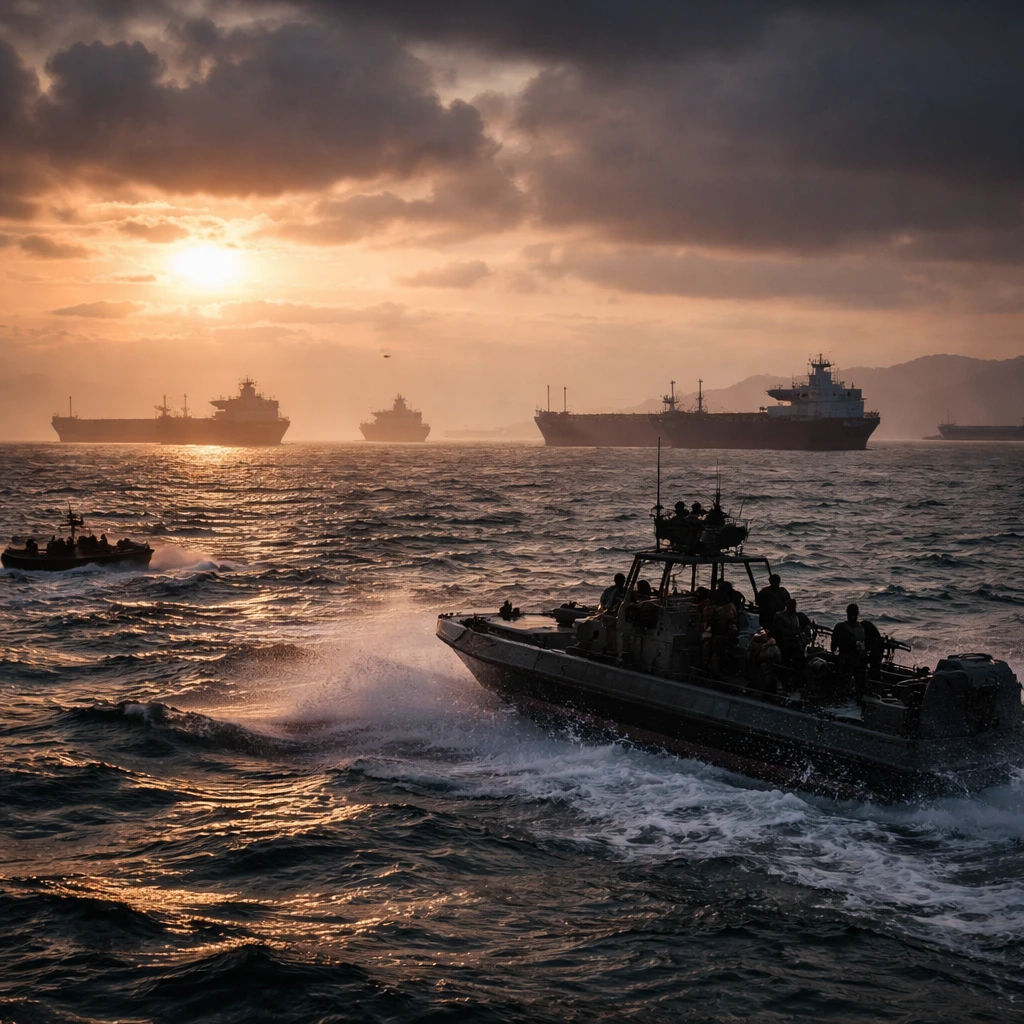
The Iranian Islamic Revolutionary Guards Corps used hundreds of small, hard-to-track boats to plant mines in the strait shortly after the outbreak of the war. U.S. intelligence assessments characterize that operation as "haphazard," noting that many emplacement locations were not recorded. Compounding the problem, a number of the devices were deployed so they could drift, which has rendered previously published "safe route" charts from Tehran unreliable.
Iranian Foreign Minister Abbas Araghchi flagged these constraints earlier this week, describing them as "technical limitations" and indicating that Tehran may be politically inclined to relax the blockade but lacks the specialized minesweeping capability needed to assure safe passage. That capability gap matters because commercial shipping firms are unlikely to resume routine transit absent independent verification that routes are free of explosive hazards.
Diplomatic and market implications
The mine clearance issue is expected to dominate talks when Vice President JD Vance and a U.S. delegation meet Iranian negotiators in Pakistan this weekend. Iran's inability to clear the mines rapidly could erode the "maximum leverage" the White House sought to exert after recent military gains, U.S. officials say.
Neither Iran nor the U.S. possesses significant rapid-response mine removal assets, a shortfall that lowers the odds the market's risk premium on energy will ease quickly. Market participants interpret the "technical limitations" Araghchi described as a signal that the roughly 15% of global oil supply currently sidelined will not return to the market all at once.
Analysts and traders therefore expect reopening to be a drawn-out, multi-month endeavor. That timeline implies continued volatility for energy prices and sustained strain on supply chains well into mid-2026 as shipping and commodity markets remain on heightened alert.
Key points
- The IRGC used hundreds of small boats to lay mines, and many emplacement locations were not recorded, creating a complex clearance challenge.
- Drifting devices have made Tehran's previously issued "safe route" charts unreliable, preventing immediate verification of secure passage.
- The inability to guarantee a mine-free strait means the 15% of global oil supply currently sidelined is unlikely to return in one wave, keeping energy and shipping sectors under pressure.
Risks and uncertainties
- Clearance capability: Iran lacks specialized minesweeping assets to assure safe passage, and the U.S. also does not have robust, rapid-response mine removal capacity - this raises operational risk for shipping and energy logistics.
- Diplomatic leverage: The mine problem could weaken the White House's intended "maximum leverage" in negotiations, affecting the pace and scope of any ceasefire implementation.
- Market persistence: Because reopening is likely protracted, energy prices may remain volatile and supply chains may operate with an elevated risk premium into mid-2026.
Conclusion
The inability to locate and clear all mines in the Strait of Hormuz represents a technical barrier that directly confronts the political objective of a rapid, verifiable reopening tied to a ceasefire. With emplacement described as "haphazard," drifting devices undermining route charts, and limited minesweeping capacity on both sides, the pathway to restored, certified-safe transit looks likely to be slow and incremental. That trajectory keeps pressure on the energy and shipping sectors and maintains a heightened risk premium in global markets.