
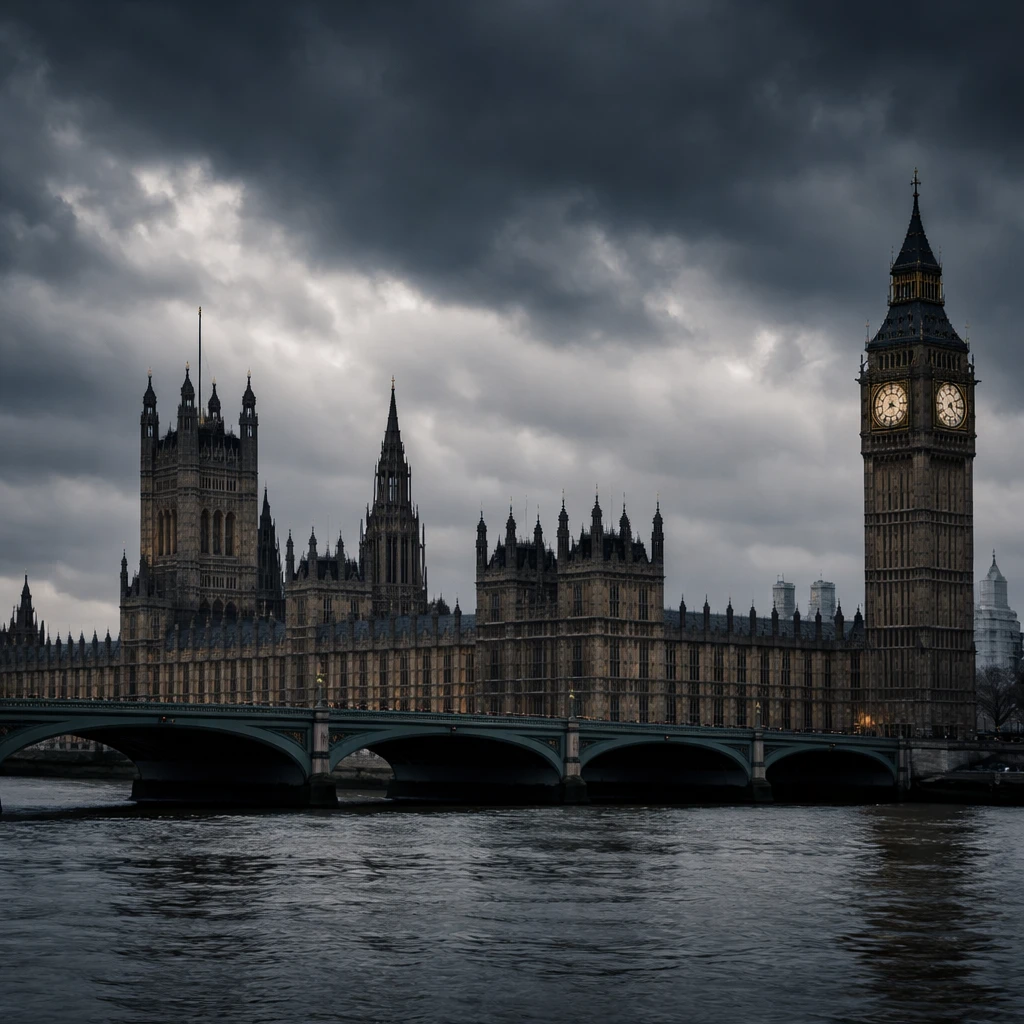
The political landscape in the United Kingdom has entered a period of intense volatility following recent local election results that have left the Labour Party in a precarious position. Prime Minister Keir Starmer is currently navigating an escalating internal struggle for control as the party faces the fallout from losing upwards of 1,400 council seats. This performance has fundamentally shaken the confidence of the party leadership.
According to data reported by Bloomberg, the scale of the loss is extensive, with Labour on track to surrender more than 50 percent of the 2,500 seats it was defending in England. Analysts have characterized this outcome as a severe indictment of Starmer's management, coming less than two years after his decisive landslide victory in the 2024 general election.
The shifts in the electoral map were profound. On Friday, Nigel Farage’s Reform UK party made notable gains within regions that were traditionally considered Labour heartlands. Simultaneously, Labour experienced a collapse in support to nationalist Plaid Cymru in Wales and lost several critical strongholds in London to the Green Party. This widespread erosion of support has created an opening for internal opposition.
Within the party's "soft-left" faction, rivals are reportedly organizing around a strategy for what they describe as a "slow-motion" transfer of power. The proposed successor is Andy Burnham, the Mayor of Greater Manchester. The urgency of this movement is highlighted by at least 20 Members of Parliament who have made public calls for an orderly succession. These lawmakers have expressed fears that if the party remains on its current trajectory, it faces a "slaughter" during the next general election scheduled for 2029.
While Chancellor Rachel Reeves and various cabinet loyalists have released statements to support the Prime Minister, his standing is viewed as fragile. To counter this instability, allies of Starmer have indicated that he plans to deliver a major policy "reset" speech on Monday. This address is intended to appeal directly to financial markets. The administration hopes that by addressing concerns, they can mitigate the political instability that has already begun to increase the premium on UK government debt and discourage a full-scale leadership coup.
The internal dynamics remain highly complex due to competing ambitions. Figures including Health Secretary Wes Streeting and former cabinet member Angela Rayner are identified as potential successors who may not necessarily support the transition to Burnham. The level of uncertainty is underscored by Polymarket, which currently calculates the Prime Minister's probability of remaining in power through the end of the calendar year at just 40 percent.