
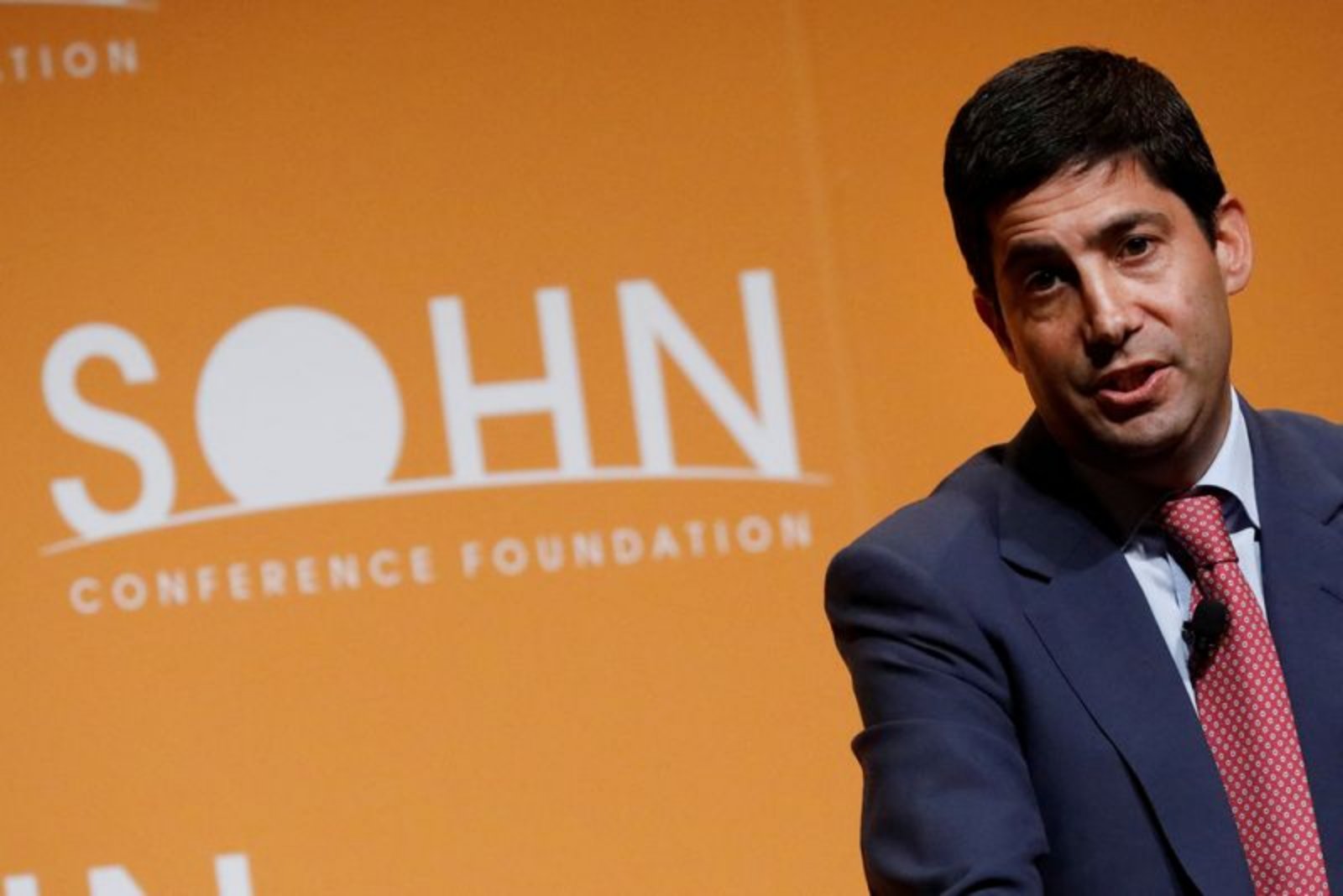
President Donald Trump announced on Jan 30 that he plans to nominate Kevin Warsh to serve as Chair of the Federal Reserve starting in May. The move reflects the president’s ongoing push for lower U.S. interest rates and spotlights a candidate whose career bridges the central bank, Wall Street and influential private investors.
Background and early Fed career
Warsh entered the Federal Reserve Board of Governors in 2006 at age 35, making him the youngest member in the Board’s history at the time. He had come to the Fed after a stint on the National Economic Council under then-President George W. Bush. Warsh served on the Board through 2011, a period that included the 2008-2009 global financial crisis when he worked closely with Chair Ben Bernanke on measures to support failing financial institutions and stabilize markets.
During the crisis-response period, Warsh developed a reputation for being attuned to financial-market dynamics and for leveraging his links to Wall Street to communicate and coordinate policy actions - an approach that led some to describe him as a financial-market "whisperer."
Views on crisis intervention and inflation
While involved in the crisis-era interventions, Warsh repeatedly warned that government rescues could lift inflation. That specific inflationary outcome did not materialize. The record also includes later assessments by economists suggesting that bigger fiscal stimulus after the crisis might have produced a faster recovery, an evaluation noted alongside Warsh’s earlier cautions.
In public remarks and commentary, Warsh has spoken about trade-offs facing the Fed, arguing that policymakers should avoid what he has characterized as a "cruel choice" between higher unemployment and lower inflation. That framing underpins his argument that productivity improvements - including those he has cited from technologies like artificial intelligence - can help maintain price stability without forcing a sharp sacrifice in labor markets.
Personal and financial connections
Warsh is married to Jane Lauder, an executive from the family that founded the Estee Lauder cosmetics company. Forbes has estimated her net worth at $2.7 billion. Lauder previously held senior roles within the family business, including running the Clinique brand, and stepped down as executive vice president in 2024.
Beyond cosmetics, the couple has invested in pet wellness initiatives. Jane Lauder’s investment vehicle, TAW Ventures - named after the couple’s goldendoodle, Thaddeus Alistair Warsh - led a 2.5 million-pound funding round for the British fresh dog food company Marleybones. The product lineup mentioned in that round includes items with names such as Boss Beef, Chic Chicken, Lush Lamb and Sassy Salmon.
Networks among wealthy investors and policy figures
After leaving the Fed in 2011, Warsh affiliated with the Hoover Institution at Stanford and lectured at the Stanford Graduate School of Business. He subsequently worked with billionaire investor Stanley Druckenmiller as a partner at Druckenmiller’s Duquesne Family Office, contributing to management of that private investor’s fortune.
Other family and social ties are notable. Warsh’s father-in-law, Ron Lauder, is a billionaire who has had a long association with President Trump. Reported business interests tied to Lauder include participation in a U.S.-linked investor group involved in developing lithium deposits in Ukraine and other overseas ventures. Public commentary has also connected Lauder to earlier conversations that helped stoke Trump’s interest in Greenland, a diplomatic matter that has since attracted attention.
Policy stance - a mix of hawkish and dovish elements
Warsh’s record combines elements that can be read as both hawkish and dovish. On one hand, he has argued publicly with President Trump’s line that the Fed should lower rates substantially, pointing to productivity gains - notably from AI - as a reason lower rates could be sustained without renewed inflation. On the other hand, during his time on the Fed he built a reputation as an inflation hawk and a critic of the central bank’s permanent use of large-scale bond holdings.
Warsh has criticized the Fed’s reliance on an expanded balance sheet as a long-term policy tool, arguing that the growth of those holdings runs at cross-purposes with conventional policy-rate instruments. He has said that if the balance-sheet "printing press" could be quieted, it might enable lower policy rates. At the same time, he has cautioned against the Fed overstepping its statutory dual mandate of price stability and maximum employment in ways that would undermine its independence.
Warsh has also expressed skepticism about the Fed’s communications framework when it relies heavily on backward-looking data and detailed forward guidance on rates. He has said he sees limited value in the forward guidance that has become embedded in Fed communications since the financial crisis.
What’s next
The president’s announcement sets up a confirmation process ahead of a planned May start. Observers will be watching how Warsh’s mix of past positions - including his crisis-era role, relationships with private investors, and critiques of Fed tools - translate into a policy approach if he assumes the chairmanship.
Key questions for markets and policymakers will include whether he seeks to curtail the Fed’s balance-sheet expansion and how he balances calls for lower rates with his past warnings about inflationary risks.