
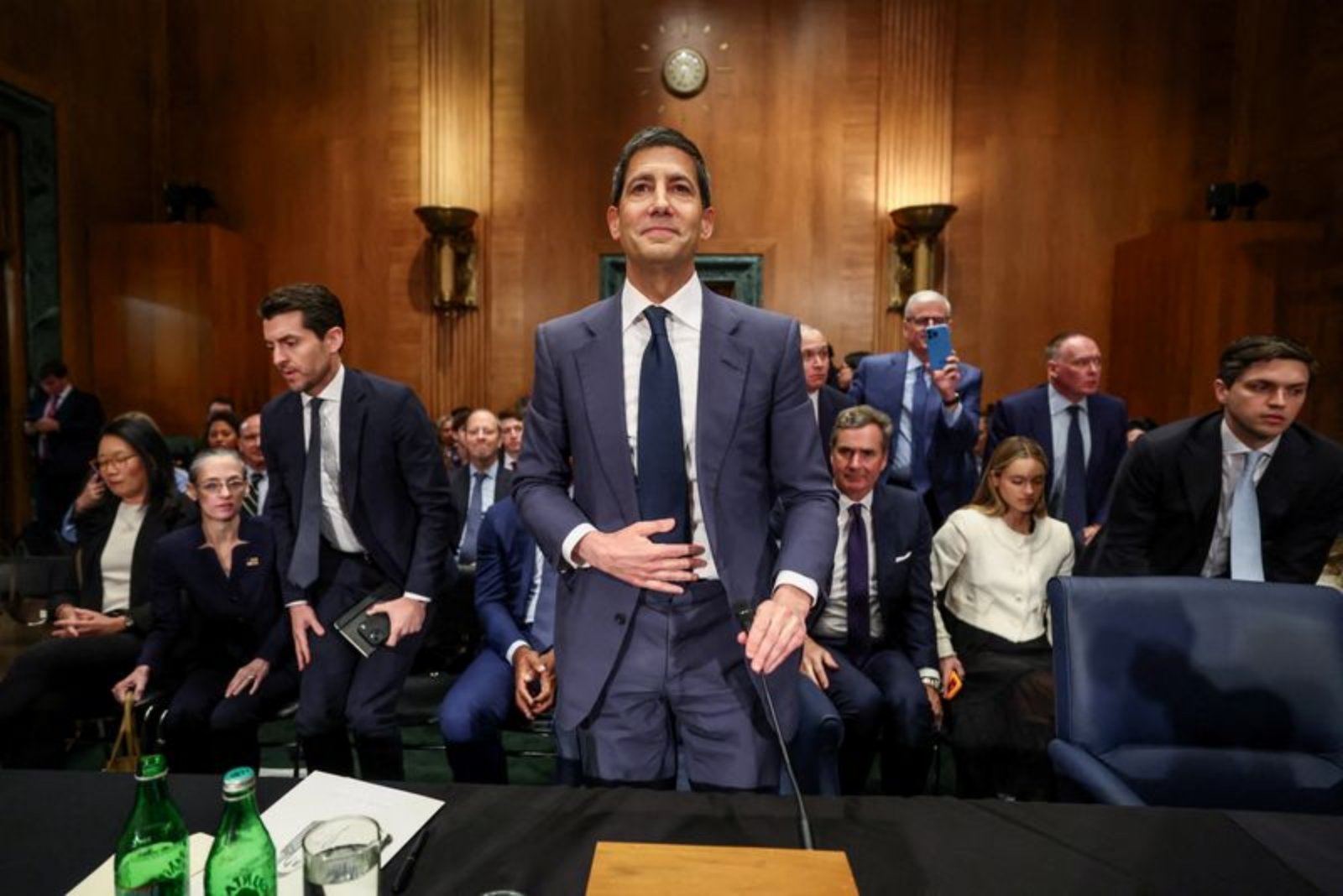
The Senate's recent procedural move marks a pivotal step in the transition of power at the nation's central bank. With the Republican-controlled Senate expected to approve Warsh, the nomination arrives during a period where the independence of the Federal Reserve is undergoing significant pressure from various administration actions.
Key Developments and Market Implications
The progression of Warsh’s nomination highlights several shifts that could influence broader economic policy and market expectations:
- Proposed Policy Shifts: Warsh has indicated an intention to implement a "regime change" within the Federal Reserve. This proposed transformation includes fostering closer coordination between the Fed, the Treasury, and the administration regarding non-monetary policies. Additionally, he has expressed a goal of directing the central bank toward maintaining a smaller balance sheet.
- Leadership Transition: The handover from Jerome Powell to Warsh is imminent, with Powell's term ending this Friday. This transition will impact how interest-rate decisions are reached within the Federal Reserve's structure, where the chair holds one of 12 votes and is one of 19 voices involved in policy setting.
- Monetary Policy Context: At the most recent meeting held last month, policymakers decided to maintain the policy rate within a range of 3.50% to 3.75%. Notably, the decision was not unanimous, as three members dissented by indicating they were open to a potential interest-rate hike.
The upcoming June 16-17 meeting is scheduled to be the first policy meeting that could take place under the leadership of Chair Warsh.
Risks and Economic Uncertainties
The path toward new leadership is accompanied by several legal and political uncertainties that could impact the stability of monetary policy implementation:
- Threats to Institutional Independence: Jerome Powell has voiced concerns regarding a series of legal challenges directed at the Federal Reserve. He noted that these actions threaten the ability of the institution to conduct monetary policy without being forced to weigh political factors. Such pressures could create volatility in market expectations regarding interest rate paths.
- Ongoing Legal and Administrative Probes: The administration has taken several unprecedented steps, including an attempt to terminate Fed Governor Lisa Cook, a matter currently before the Supreme Court. Furthermore, while the Department of Justice has dropped an investigation into Powell's management of a building renovation, the lead prosecutor in Washington has stated she could reopen the case. A federal judge previously characterized this probe as a pretext intended to pressure Powell to resign or implement rate cuts.
- Divergent Expectations on Rates: While President Trump has expressed his expectation that Warsh will pursue interest-rate cuts, Warsh has maintained that he has made no such promises regarding monetary policy. This discrepancy between executive expectations and the nominee's stated position introduces uncertainty into market forecasting.