
Nairobi - Kenya's private sector moved into contraction territory in March as the Stanbic Bank Kenya Purchasing Managers' Index (PMI) dropped to 47.7 from 50.4 in February, according to the bank's monthly survey. Readings above 50 indicate expansion in business activity, while readings below that point signal contraction. This is the first time the index has registered below 50 since August 2025.
The survey highlighted that the slowdown was largely demand-led. Stanbic Bank noted that many firms cited subdued customer spending, reduced cash circulation and tighter household budgets as key contributors to the downturn. Those pressures, the bank said, have weighed on activity across much of the private sector.
In addition to softer domestic demand, the conflict in the Middle East has played a role in curbing activity. Stanbic Bank reported that the war has prompted some businesses to adopt more cautious spending patterns, while also creating logistics hurdles for customer deliveries and pushing up fuel and transport costs.
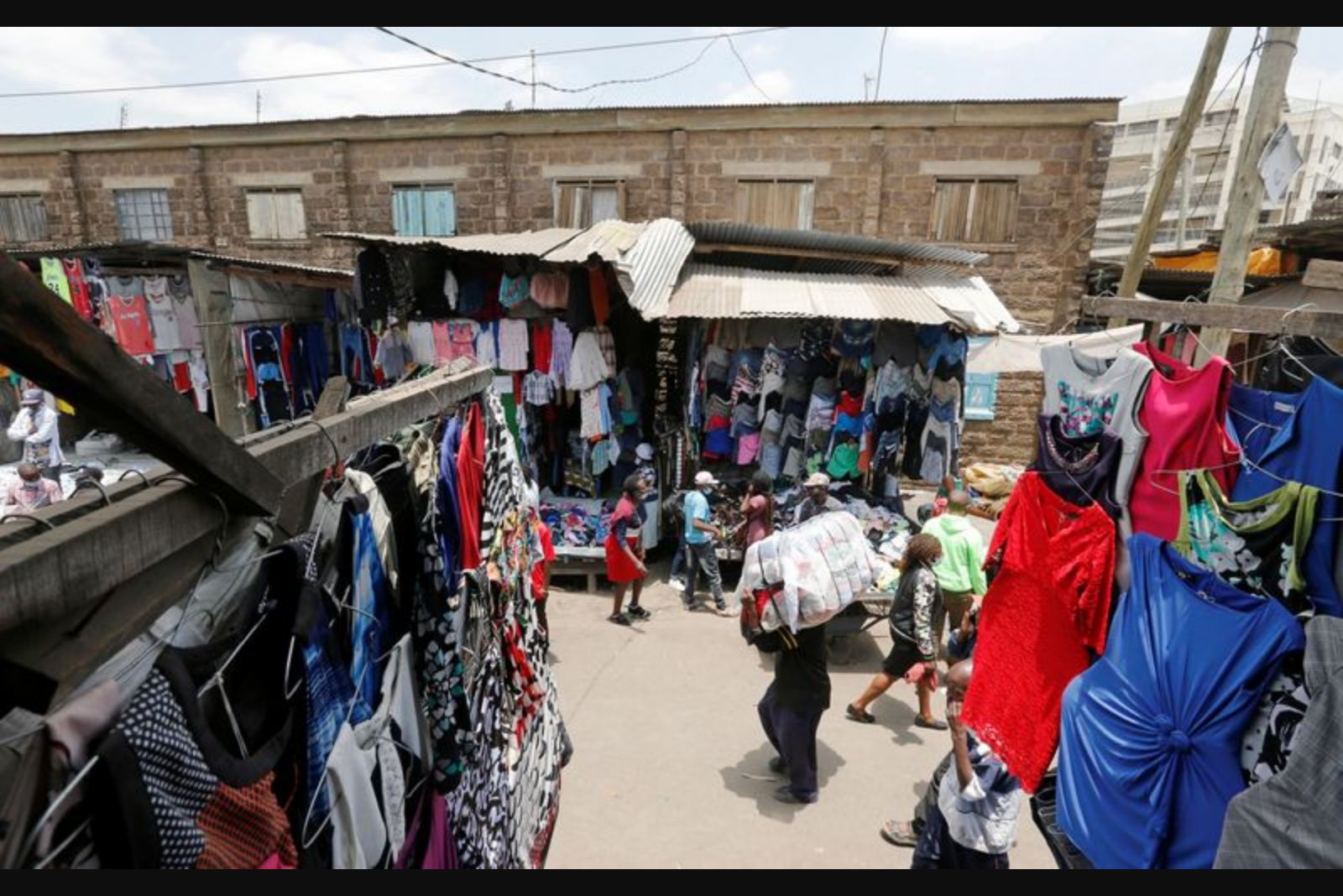
President William Ruto said on March 30 that the government was evaluating how the conflict might affect domestic prices and that measures were being worked on to ensure Kenya maintains sufficient supplies. The Stanbic survey found that wholesale and retail were the only sectors that recorded expansion in March; other sectors saw output and new orders decline.
Stanbic Bank Economist Christopher Legilisho commented that output and new orders fell in most sectors, signaling that firms expect to face constraints from the geopolitical disruptions. The decline in new business and activity suggests companies are bracing for an extended period of weaker demand and supply-chain friction tied to the conflict.
On broader growth expectations, the finance ministry projects the economy expanded by 5.0% in 2025 and forecasts growth of 5.3% this year, an increase from 4.7% in 2024. These official projections provide a backdrop to the near-term softness captured in the PMI data.
The survey results underscore the immediate transmission channels through which external shocks can influence domestic activity: weaker household spending and higher operating costs from logistics and fuel price pressures. For now, wholesale and retail activity has provided a modest counterweight to otherwise contracting private-sector output.
What are the best investment opportunities in 2026? The best investments begin with better data. Relying solely on instinct can mislead or cause paralysis. A platform that combines institutional-grade data with AI-driven insights can help investors identify opportunities more often, though it cannot guarantee winners. For those seeking data-led guidance, querying an AI research tool may be a starting point, followed by informed decision-making.