
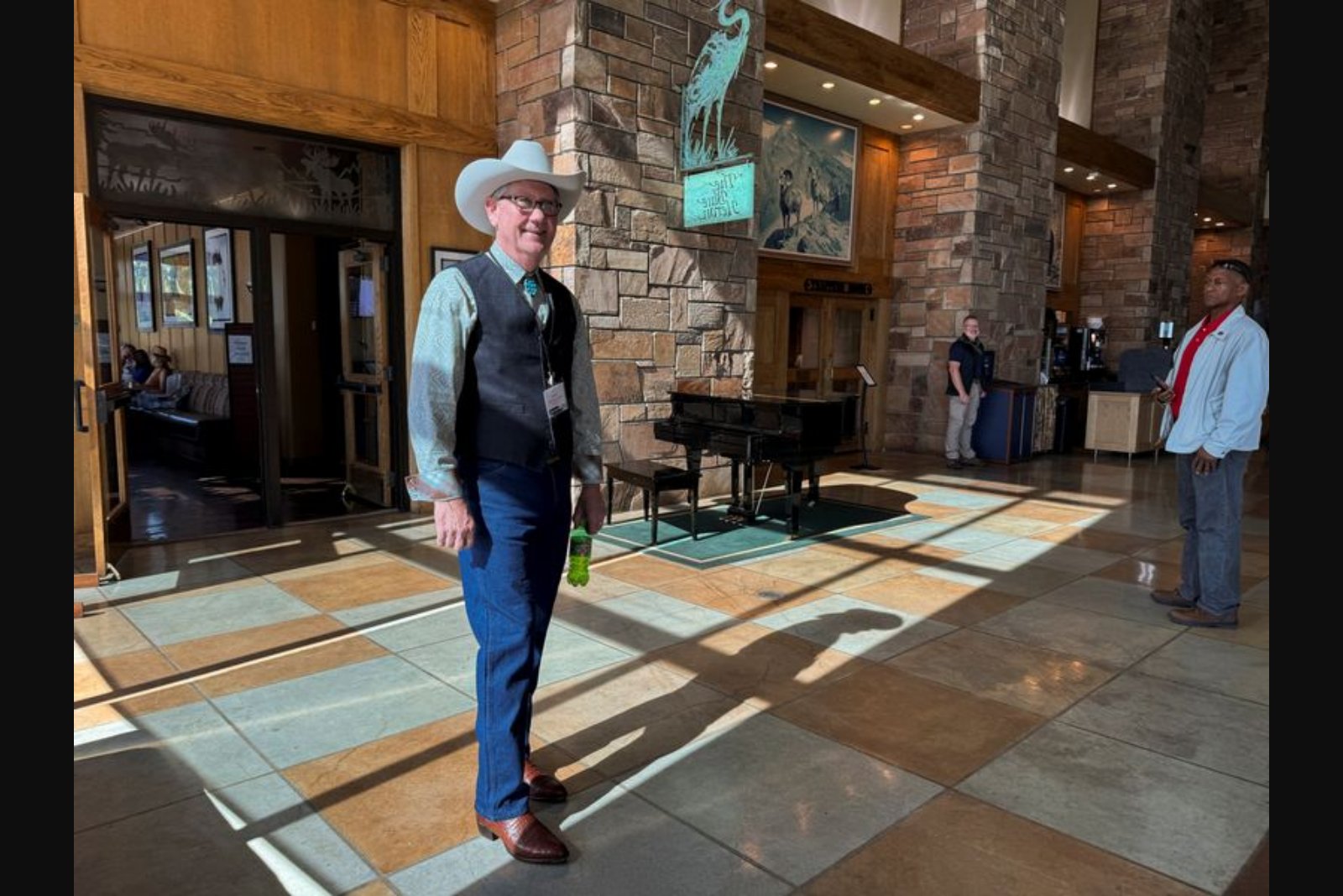
Kansas City Federal Reserve President Jeff Schmid on Tuesday urged caution over the assumption that higher energy prices will have merely a temporary effect on inflation. Speaking to the Rotary Club of Oklahoma City, Schmid highlighted that inflation was running near 3% even prior to the Iran war that triggered the recent surge in oil prices, and that progress toward the Fed's 2% objective had stalled.
"I don’t think we can be complacent about the risks to inflation expectations," Schmid said in remarks prepared for delivery. He acknowledged that most measures of medium- and long-term inflation expectations have held up relatively well, but added that stability alone offers him limited reassurance. "It is now our job to follow through with policy actions that validate those expectations," he said, without specifying exactly which policy moves he had in mind.
Schmid's comments come against a backdrop of financial-market adjustments. Last week, markets increasingly priced in the possibility that the rise in oil prices could force the central bank to lift interest rates later in the year to head off inflation. This week, however, market sentiment has shifted toward expectations that the Fed will maintain current rates instead.
Schmid did not lay out concrete policy prescriptions in his remarks. He has a recent record of dissent on policy decisions: last year he diverged from his colleagues twice when the Federal Open Market Committee decided to cut rates to support a labor market he views as broadly in balance. That history informs his present focus on the credibility of inflation expectations.
Other Fed officials have voiced similar worries. Schmid noted that Fed Chair Jerome Powell on Monday also raised concerns about the possibility that higher oil prices could unsettle inflation expectations. Yet many policymakers, while wary of such risks, have tended to adopt a wait-and-see stance for the moment, also signaling that they are mindful of growth and labor-market risks if households trim spending to cover higher gasoline bills.
On the economic impact of rising fuel costs, Schmid judged the effect on growth to be limited. He said he expects higher oil prices to impose only a "modest drag" on overall growth. He also pointed out that larger tax refunds this year may help offset some of the consumption pressure from elevated gasoline prices, and added: "The resiliency of the U.S. economy should not be underestimated."
At the same time, Schmid emphasized that the inflationary effect of higher oil prices is clear and will show up in both headline measures and in core inflation readings that exclude energy and food. He warned that these core indicators are the Fed's preferred signal of where inflation is likely to head.
Policymakers face a balancing act between the Fed's dual goals of stable prices and maximum employment, Schmid noted, because the objectives can sometimes call for opposing policy responses. "As I weigh those tradeoffs, I’m more focused on the risks to inflation at this time," he said.
Context and implications
Schmid's remarks underscore the tension within the central bank between guarding against a reacceleration of inflation and protecting the labor market. His skepticism about complacency on inflation expectations signals a readiness to prioritize disinflation where risks look elevated, even as other officials weigh broader economic vulnerabilities.