
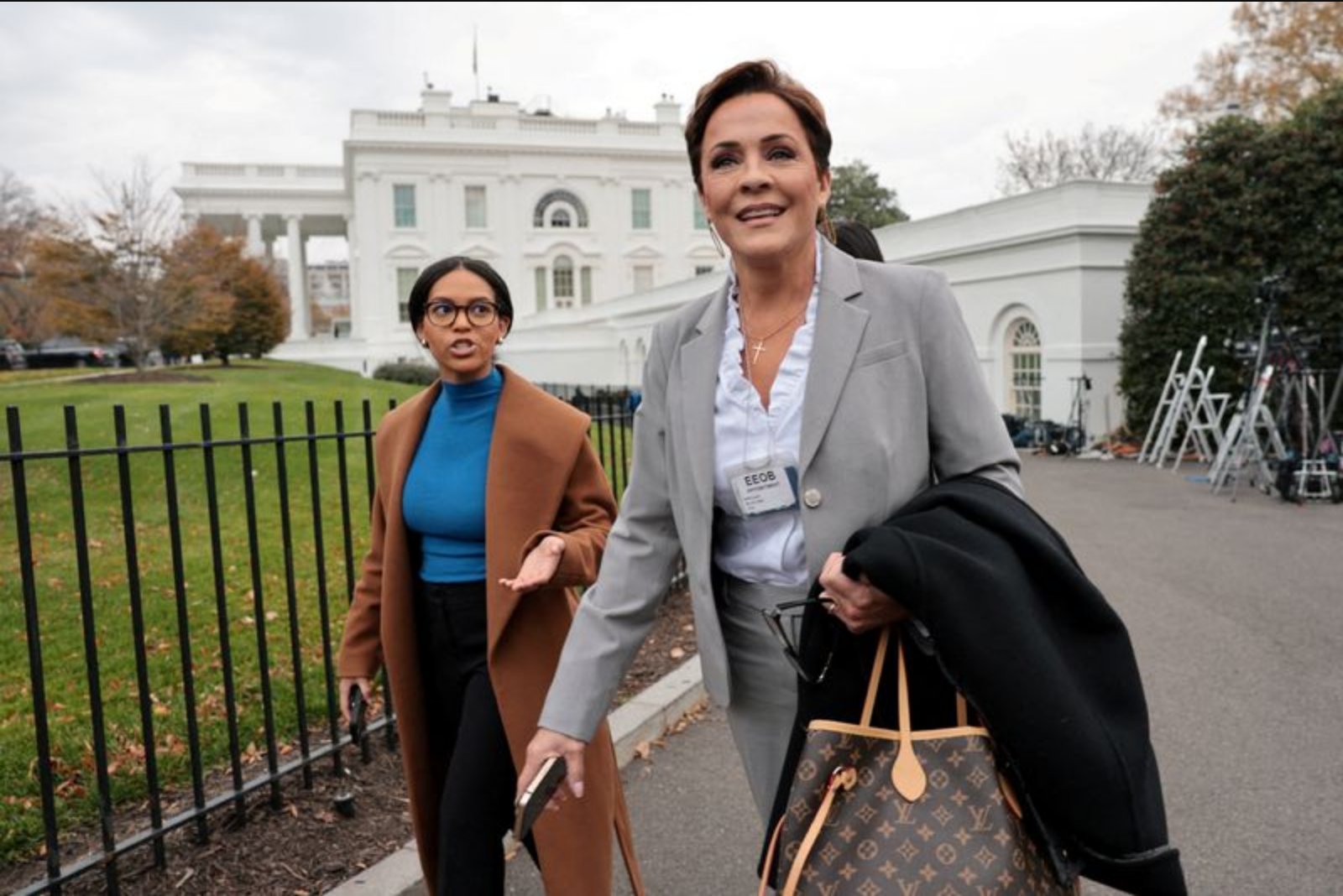
Summary: A federal judge concluded that Kari Lake’s tenure as acting chief executive of the U.S. Agency for Global Media (USAGM) for a significant portion of 2025 violated federal statute and the Constitution, rendering actions she took in that capacity null and void. The decision, issued on March 7, favors plaintiffs including Voice of America journalists and a federal employees union, and directly challenges a sweeping reduction-in-force and other steps to narrow VOA’s global reach.
Legal finding and basis
U.S. District Judge Royce Lamberth issued a summary judgment for the plaintiffs, concluding that Lake’s appointment as acting CEO and the measures she executed as acting CEO ran afoul of the Federal Vacancies Reform Act and the Appointments Clause of the Constitution. The judge determined Lake was ineligible to serve as acting CEO because she was not an employee of USAGM when former CEO Amanda Bennett resigned in January 2025 and had not been confirmed by the Senate to any other federal position.
The court noted that Lake had joined USAGM in March as a senior adviser and that a November 21 agency news release had described her as deputy CEO. The administration had argued that authority had been lawfully delegated to Lake through a prior acting CEO, Victor Morales, but the judge rejected that line of defense.
Under the Vacancies Act, actions taken by someone not lawfully serving in a vacant office "shall have no force or effect" and cannot be ratified, Lamberth wrote.
Expanding on that statutory standard, Lamberth wrote:
"As a consequence, any actions taken by Lake during her asserted tenure as acting CEO between July 31 and November 19, 2025...are void,"
Immediate impacts on Voice of America operations and staffing
The ruling specifically calls the legal validity of Lake’s decisions into question, including a reduction-in-force that would affect hundreds of employees and that is already subject to a court-ordered suspension. Those measures were part of broader efforts by the administration to sharply reduce VOA’s global footprint - an objective that had limited Voice of America broadcasts from 49 languages reaching 420 million people across more than 100 countries down to four languages under the agency’s restructuring plan.
Named plaintiffs in the case - Patsy Widakuswara, Kate Neeper and Jessica Jerreat - said the judgment "brings renewed hope and momentum" for reversing cuts to VOA’s worldwide operations and added, "We feel vindicated and deeply grateful."
Context of prior rulings and next steps
This decision is at least the third time Judge Lamberth has ruled against the administration on matters involving Voice of America. Earlier rulings in April and September halted plans that would have displaced many VOA employees; the April ruling was subsequently overturned by an appeals court. Lake has announced her intention to appeal Lamberth’s latest ruling, calling it an example of what she described as the judge’s "pattern of activist rulings - and this case is no different."
The plaintiffs prevailed on summary judgment, and the court’s determination that actions taken by someone not lawfully in office "shall have no force or effect" places those specific decisions in legal limbo. The decision does not itself resolve all disputes over operational decisions but invalidates the authority under which they were made for the July 31 to November 19, 2025 period identified by the judge.
What remains uncertain
- Procedural outcomes from any appeal by Lake and the administration - the judge’s order voids specific actions but does not predict appellate results.
- The ultimate status of the reduction-in-force affecting hundreds of employees remains tied to ongoing court orders and further litigation.
- Whether and how USAGM will restore languages or operations curtailed during the period in question depends on subsequent legal and administrative steps.
Reporting here focuses on the court’s ruling and the statutory and constitutional grounds for invalidating actions taken by an official the judge found ineligible to serve as acting CEO. The article reflects court statements and the responses of named plaintiffs and Lake as recorded in the ruling and public statements.