
Tokyo, March 23 - Japan's finance ministry is considering cutting the volume of its buybacks of inflation-linked government bonds as investor demand strengthens, according to two people familiar with the matter who spoke on condition of anonymity. The move comes as market-based inflation expectations, captured by the break-even inflation rate, rose to above 1.9% in late January, increasing the appeal of securities that adjust principal and interest in line with consumer price growth.
Inflation-linked bonds are structured to protect holders from inflation by indexing both principal and coupon payments to changes in consumer prices. Against the backdrop of rising break-even rates, the finance ministry is weighing a proposal to reduce planned buybacks to 15 billion yen for April and 15 billion yen for June, the sources said. The ministry is expected to seek input from market participants on the proposal in the near term.
Those proposed repurchase amounts would represent a sharp decline relative to the previous quarter. The government conducted buybacks of 20 billion yen in each of January, February and March, meaning the April-June buyback plan, if adopted, would be roughly half the level seen over the prior three months.
Despite the potential change in repurchase activity, issuance plans appear likely to remain intact. The sources said the government is likely to keep issuance for May at 250 billion yen, with a final decision on that volume expected later this month.
Rising inflation expectations have been in motion prior to the Middle East war, and that conflict has contributed further to upward price momentum on a global basis, the sources noted. Japan first introduced inflation-linked bonds in 2004 but halted issuance in 2008 amid deflationary pressures that heightened the risk of principal losses. Issuance restarted in 2013 when then-Prime Minister Shinzo Abe intensified efforts to end deflation. Since resuming issuance, the government has supported the market by guaranteeing principal and maintaining buyback operations.
On the supply-demand balance, the latest gross domestic product data show the gap has moved into positive territory for the first time in two quarters, but economists caution that a complete revival in demand for these securities is not yet assured.
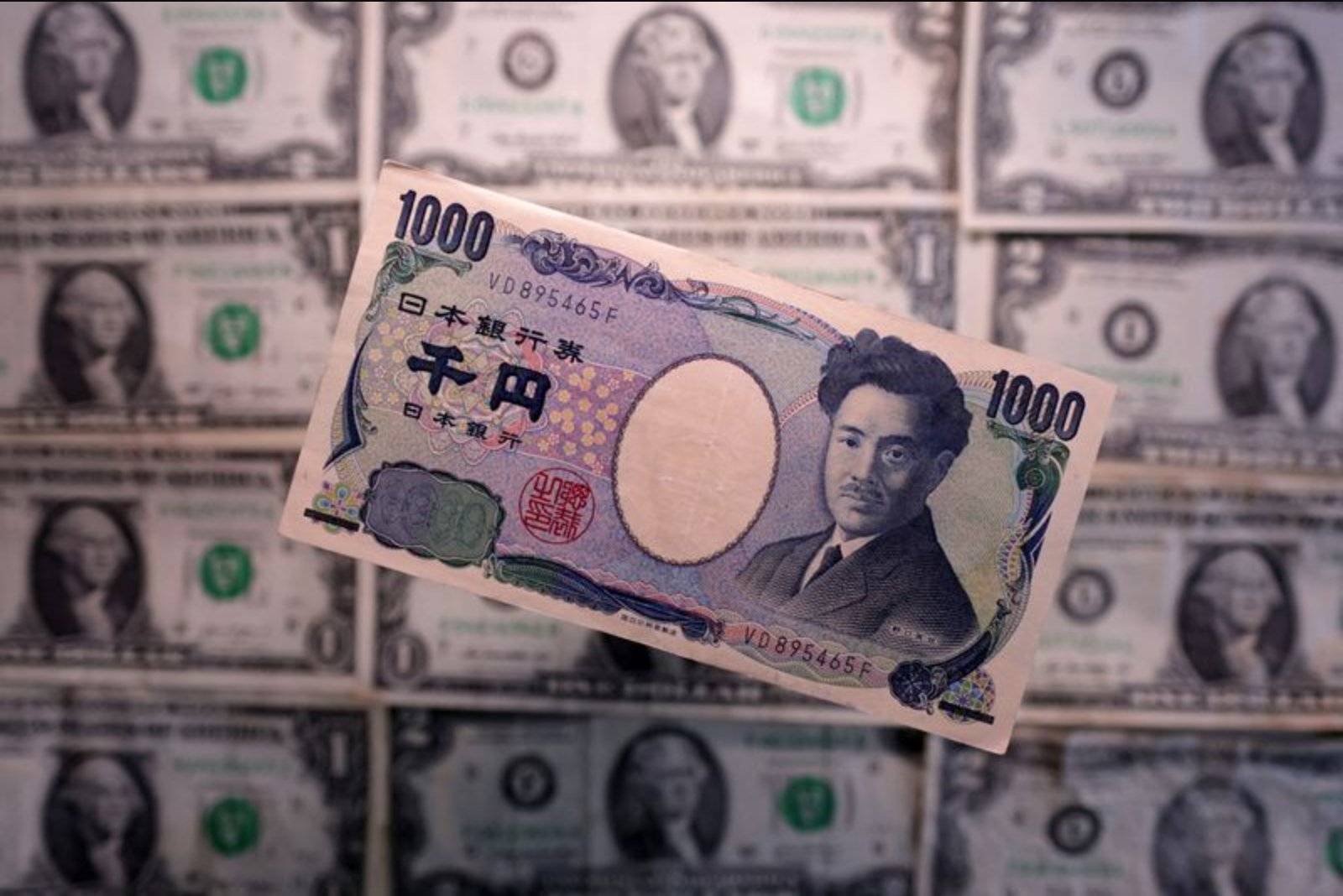
Currency conversion noted in source materials placed the dollar at 159.3900 yen.
Context and mechanics
The finance ministry's contemplated reduction in buybacks is being considered in the context of rising break-even inflation, recent buyback history and broader issuance plans. Consultation with market participants is anticipated before any formal change is made.
What remains to be decided
- Final confirmation of the proposed 15 billion yen buybacks for April and June.
- Definitive decision on the planned 250 billion yen issuance for May.