
Japan's policy makers delivered firmer warnings on the yen and signalled the possibility of a near-term rate increase as they confront rising inflationary pressures tied to oil price shocks and currency weakness.
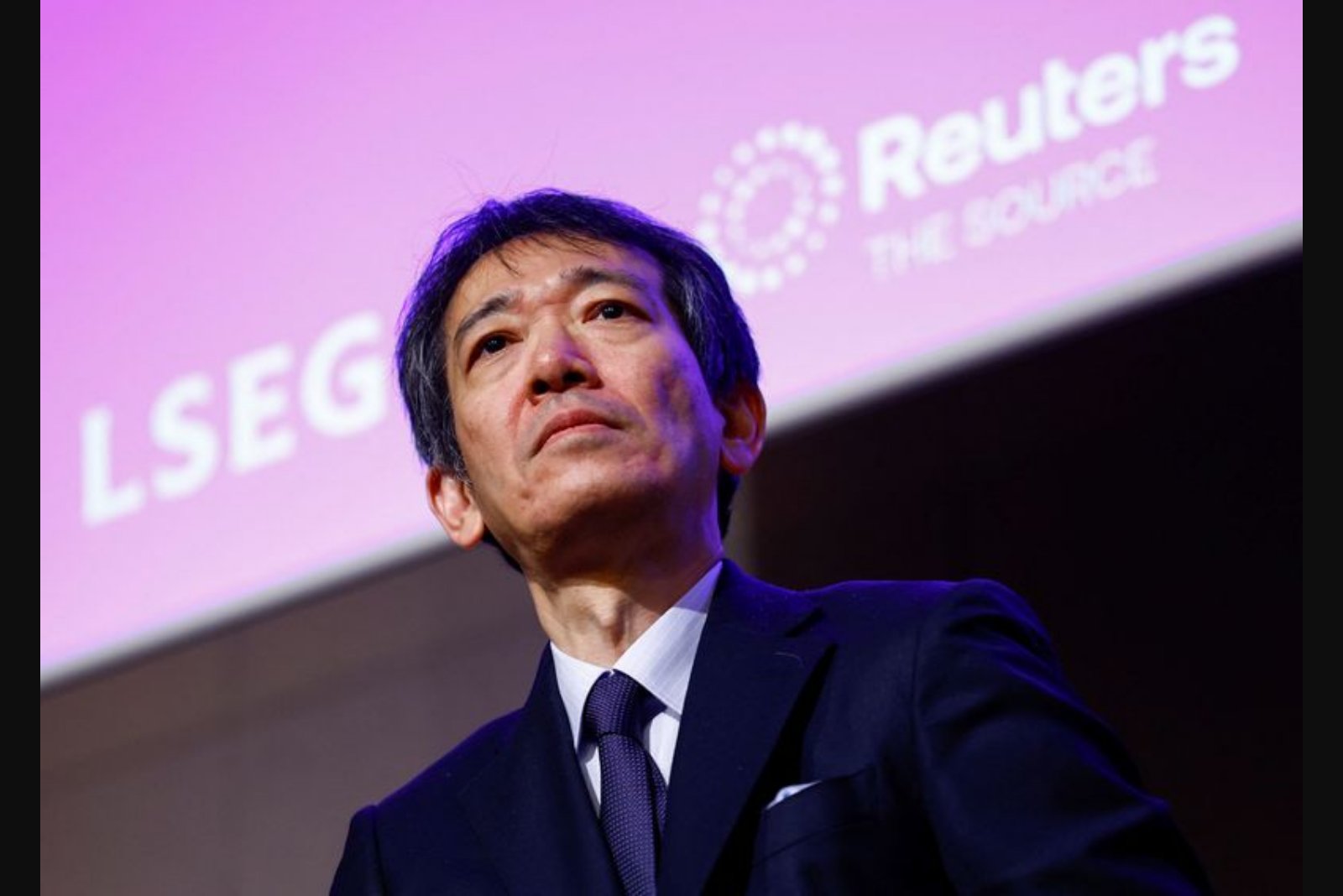
In the clearest signal yet that authorities are prepared to step into foreign-exchange markets, top currency official Atsushi Mimura said on Monday that authorities may need to take "decisive" action if speculative moves persist in the currency market. "We are hearing that speculative moves are increasing in the currency market, in addition to the crude futures market. If this situation continues, it may be time to take decisive measures," Mimura told reporters.
Traders typically interpret the word "decisive" from officials overseeing currency policy as a strong indication that intervention is on the table. This marks an escalation from earlier verbal warnings and underscores growing official concern about the yen's slide.
Markets have been unsettled this month after the Iran war effectively shut the Strait of Hormuz, a chokepoint for about a fifth of global oil and gas flows, pushing crude prices higher and lifting demand for the safe-haven dollar. The yen has borne much of the adjustment and weakened beyond the psychologically important 160-per-dollar threshold, reaching its softest level since July 2024, when Japan last stepped into markets to shore up the currency.
Officials and market participants point to a two-fold inflation challenge: rising oil prices driven by the Middle East conflict, and pass-through effects from a softer yen that raises import costs. Those combined forces are increasing concern within policy circles that inflation could pick up materially.
Monetary policy and the chance of a rate hike
Bank of Japan Governor Kazuo Ueda told Parliament the central bank will watch currency moves closely because of their implications for the economy and price dynamics. "Currency market moves are obviously among factors that hugely affect economic and price developments," Ueda said. "We will guide policy appropriately by scrutinising how currency moves could affect the likelihood of achieving our growth and price forecasts, as well as risks."
Ueda's comments kept alive the possibility of a rate increase as soon as next month by explicitly linking exchange-rate developments to the BOJ's assessment of inflation risks. They reflect a rising concern within the BOJ that failing to respond to upward inflationary pressure - particularly from energy costs and a weak currency - could leave policy behind the curve.
At its March meeting the BOJ left policy rates unchanged, but the summary of that policy meeting, released on Monday, showed policymakers were debating further hikes. Some members flagged the chance of steady or even faster-than-expected increases in the short-term policy rate.
The BOJ ended a decade-long, large-scale stimulus program in 2024 and has since been raising rates. The central bank's short-term policy rate was raised in December to 0.75 percent, a 30-year high, under the view that Japan is making durable progress toward its 2 percent inflation target.
Wider economic risks and market responses
Policy documents released last week included several new indices that can be used to justify further tightening. Among them were a new inflation gauge and a revised output gap, both showing Japan has been operating above capacity for a 15th straight month. Policymakers pointed to broadening cost pressures from rising oil as a risk that could push the economy toward stagflation, where growth weakens while prices rise.
One BOJ member warned that broadening inflationary forces could push Japan into stagflation and argued the central bank may need to tighten policy further if the yen's declines intensify. That concern exerted downward pressure on Japan's Nikkei stock average and helped lift the 10-year Japanese government bond yield to a 27-year high on Monday.
Governor Ueda said the BOJ must raise its short-term policy rate at an "appropriate pace" to prevent bond yields from overshooting, signalling a commitment to continued measured rate increases to manage financial stability alongside price objectives.
Where the pressure is concentrated
- Foreign exchange markets, where speculative flows and safe-haven dollar demand have weighed on the yen.
- Energy markets, where disruption to flows through the Strait of Hormuz has pushed crude prices higher, feeding import-cost inflation in Japan.
- Domestic bond markets, where concerns about policy tightening and inflation dynamics pushed 10-year JGB yields to multi-decade highs.
Officials' statements and policy documents together paint a picture of authorities prepared to act on multiple fronts - currency intervention and monetary tightening - if the twin pressures of higher oil costs and a weak yen continue to threaten price stability and economic performance.
For now, markets are watching for signs of actual intervention and for any near-term shift in BOJ policy that would formally raise the cost of borrowing as officials seek to balance inflation risks against potential damage to growth.