
Japan is currently executing a strategic maneuver designed to bolster the yen by leveraging a coordinated effort involving the Bank of Japan (BOJ) and diplomatic alignment with Washington. The core of this approach rests on the belief that combining a hawkish shift in domestic monetary policy with an endorsement from U.S. Treasury Secretary Scott Bessent can provide much-needed strength to yen-buying interventions, potentially slowing the downward trajectory of the embattled currency.
This coordinated strategy relies on a tight-knit group of influential actors: the Bank of Japan, the Japanese Ministry of Finance (MOF), and United States officials. The objective is not necessarily to orchestrate a complete reversal of market trends, but rather to increase the financial burden and risks for those attempting to bet against the yen.
The Convergence of Policy and Intervention
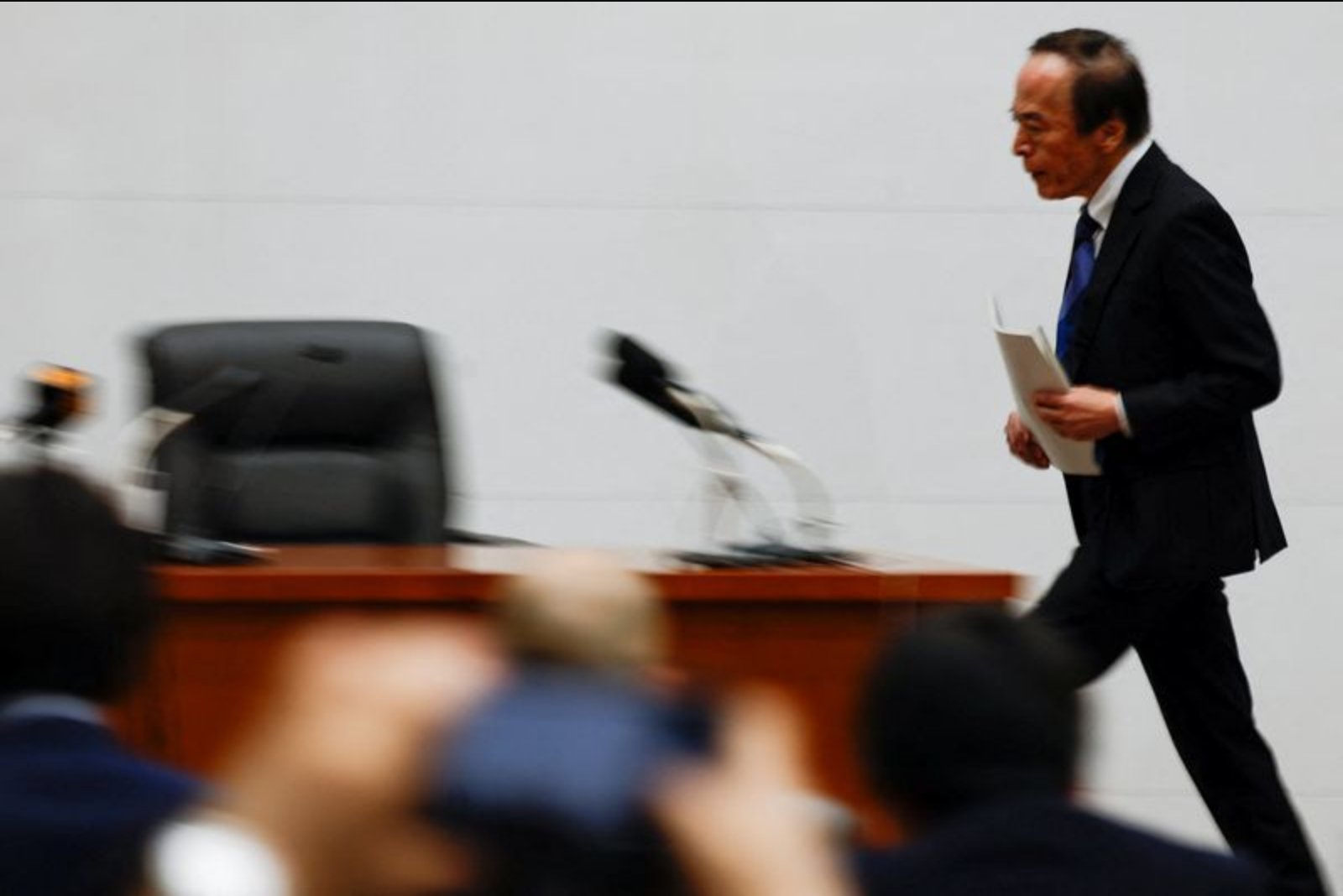
A critical turning point occurred last month when Governor Kazuo Ueda adopted a more hawkish stance. This shift has brought the central bank into a rare state of alignment with the Ministry of Finance, creating a more unified front as the two entities work to arrest the yen's decline. Following Ueda’s remarks on April 28, the MOF carried out its first yen-buying intervention in nearly two years. Sources indicate that this was followed by several additional rounds of market action throughout May.
Estimates suggest that approximately 10 trillion yen ($63.7 billion) has been deployed during this current cycle of interventions. Analysts are now looking toward next week, when U.S. Treasury Secretary Scott Bessent is scheduled to visit Japan. There is anticipation that his visit could provide an additional boost to these efforts, whether through explicit verbal endorsements or carefully worded statements suggesting that the United States tolerates Japan's interventionary actions.
Bart Wakabayashi, a branch manager at State Street in Tokyo, noted that there is currently a "significant alignment" occurring as Japanese officials work alongside U.S. counterparts to undermine those shorting the yen. He emphasized that the fact that Japan is not acting in isolation is vital, noting that even the mere appearance of discussions regarding foreign exchange levels could be impactful.
Bessent has previously influenced the currency's direction; in January, he supported the yen by advocating for faster interest rate hikes from the BOJ. At that time, the U.S. also conducted an unusual rate check, which many observers interpreted as a precursor to potential coordinated intervention efforts. During his upcoming three-day visit to Japan, Bessent is expected to hold meetings with Prime Minister Sanae Takaichi and her Japanese counterpart, Satsuki Katayama.
However, direct discussions between Bessent and Governor Ueda may be unlikely, as the central bank has announced that Ueda will be traveling to Switzerland from Saturday through May 13 for a Bank for International Settlements meeting.
Market Focus Shifts to the Bank of Japan
Once the diplomatic window involving Bessent concludes, the primary responsibility for supporting the Ministry of Finance's stabilization efforts falls back on the Bank of Japan. Market participants are now closely monitoring upcoming speeches from senior officials in anticipation of the June policy meeting, searching for any indication that the hawkish pivot observed last month is becoming a permanent fixture of policy.
In previous periods, Governor Ueda’s more dovish tone provided traders with an opening to sell the yen. This time, however, his focus on the inflation risks stemming from a weak currency has kept the possibility of a June interest rate hike very much alive. Anonymous sources within the Ministry of Finance have suggested that Ueda's communication style has been remarkably effective in managing market expectations. One source noted that if the BOJ implements a rate hike in June, it could pave the way for another increase before the end of the year.
The upcoming schedule includes a significant speech by Governor Ueda on June 3, just prior to the June 15-16 policy meeting. At this meeting, markets are weighing whether officials will raise interest rates from the current 0.75% to 1.0%. Other key figures to watch include Deputy Governor Ryozo Himino and board members Kazuyuki Masu and Junko Koeda. All three of these individuals voted to maintain steady rates in April, while three other members of the nine-person board dissented, advocating for a move to 1.0%.
Political Complications and Structural Pressures
Despite the unified front between the MOF and the BOJ, domestic political tensions remain a factor. Prime Minister Sanae Takaichi has historically been a proponent of loose monetary policy and has occasionally resisted BOJ tightening. While her public stance is relatively quiet, she has appointed monetary doves to the central bank board and recently expressed disagreement with Trade Minister Ryosei Akazawa regarding his suggestion that rate hikes could assist the yen.
According to a government source, while the Prime Minister may be hesitant regarding interest rate increases, she also faces the pressure of managing rising living costs. This creates a dynamic where yen-buying intervention becomes the primary tool available to the government.
Furthermore, Japan faces significant structural challenges that exert downward pressure on the currency. The nation's dependence on energy imports means that oil price shocks, such as those triggered by the Iran war, expand the trade deficit and weigh on the yen regardless of domestic policy changes.
Despite these headwinds, some analysts believe that renewed interventions combined with firmer policy signals can provide enough stability to hold the line until global economic conditions improve. Rong Ren Goh, a fixed income portfolio manager at Eastspring Investments in Singapore, noted that while critics claim intervention only delays market trends rather than reversing them, these actions have successfully broken the momentum of yen selling. Without such measures, sustained selling could lead to a more disorderly and difficult-to-contain depreciation.