
Economy March 8, 2026

Iraq’s crude output plunges as tanker access evaporates and exports stall

Production has fallen about 60% amid tanker shortages and an effective blockade of the Strait of Hormuz

By Avery Klein
Iraq’s crude output plunges as tanker access evaporates and exports stall

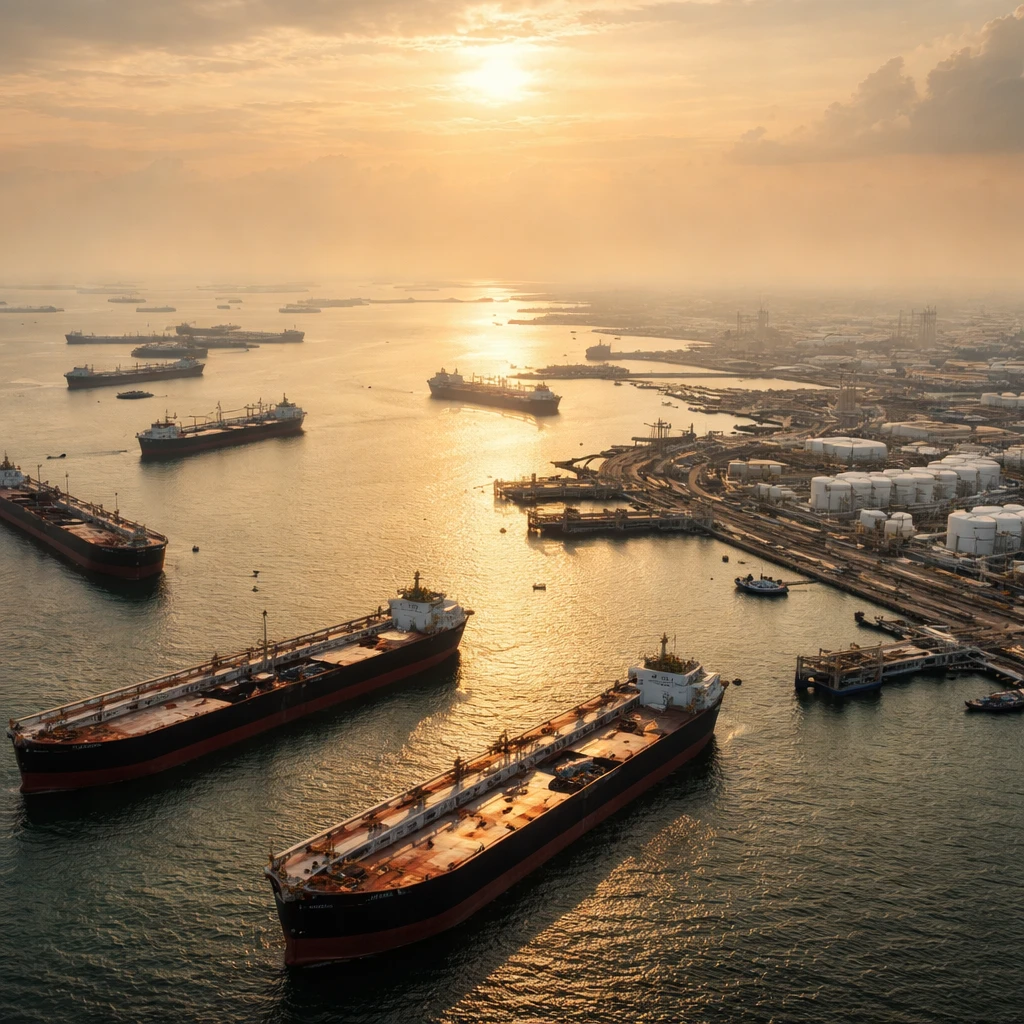
Iraq’s oil production has fallen to roughly 1.7-1.8 million barrels per day from about 4.3 million bpd as tanker availability and export routes through the Strait of Hormuz are disrupted. The drop reflects a regional logistical bottleneck that has forced producers to curtail flows and store excess crude as storage capacity diminishes.

Key Points

  • Iraq’s oil production has declined by about 60 percent to roughly 1.7-1.8 million barrels per day from about 4.3 million bpd - impacting global oil supply balances.
  • The Strait of Hormuz is effectively blocked for traffic, disrupting a shipping route that handles roughly a fifth of global oil exports - affecting energy and shipping sectors.
  • Other Gulf producers including the United Arab Emirates and Kuwait have followed Iraq with output cuts, widening the regional impact and pressuring oil markets.

Sources familiar with the situation say Iraq’s oil output has fallen by roughly 60 percent as conflict in Iran disrupts tanker availability and effectively blocks exports through the Strait of Hormuz.

Current production is estimated at about 1.7 million to 1.8 million barrels per day, down sharply from roughly 4.3 million barrels per day before the disruption began. The decline underscores a mounting logistical problem in the Persian Gulf, where the war has sharply reduced the number of vessels able to load crude.

With fewer tankers available to take on cargoes, regional producers have been compelled to cut production because onshore and floating storage is filling. The shortage of lift capacity has thus translated into lower wellhead output as storage options are exhausted.

Iraq was the first major Gulf producer to scale back oil production in response to the disruption; the United Arab Emirates and Kuwait have since implemented their own output cuts as the impact spread across the region. The conflict has in effect halted traffic through the Strait of Hormuz - a chokepoint that handles roughly a fifth of global oil exports - turning a regional logistical squeeze into a broader energy-supply risk.

Producers in the Gulf, confronted with constrained export routes and limited tanker access, have been pumping crude into storage, but available capacity is reported to be rapidly diminishing. That dynamic has left national oil companies and traders grappling with where to place volumes that can no longer move to refiners and markets on schedule.

The situation highlights how disruptions to maritime transport capacity and chokepoint access can translate quickly into material production declines. Observers say the combination of blocked shipping lanes and dwindling storage capacity has forced an abrupt and large-scale reduction in flows from one of the world’s key producing regions.

Risks

  • Prolonged restriction of tanker access through the Strait of Hormuz could sustain lower production levels and elevate global energy supply risk - impacting oil markets and energy-dependent sectors.
  • Diminishing storage capacity for crude in the Gulf raises the risk of further forced output curtailments if tanker availability does not improve - affecting oil producers and trading flows.
  • Continued logistical bottlenecks in tanker availability may disrupt refining feedstock deliveries and shipping operations, putting pressure on shipping and refining sectors.

More from Economy

Bank of America Sees Possible Near-Term Floor for Japanese Stocks, Flags Geopolitical Risks Mar 22, 2026 Barclays Says Private Credit Strains Fall Short of a 2008-Style Crisis Mar 22, 2026 Persistent Middle East conflict and energy shock weigh on fragile equities rally Mar 22, 2026 Israel Orders Destruction of Bridges Over Litani River, Increases Home Demolitions Near Lebanon Border Mar 22, 2026 Paper Wealth Favors Eurozone, Financial Wealth Tilts Toward U.S., UBS Says Mar 22, 2026